Category: RV Tech & Gear

  • The RV Internet Backup System: Time for Reliable Results
    The RV Internet Backup System: Time for Reliable Results

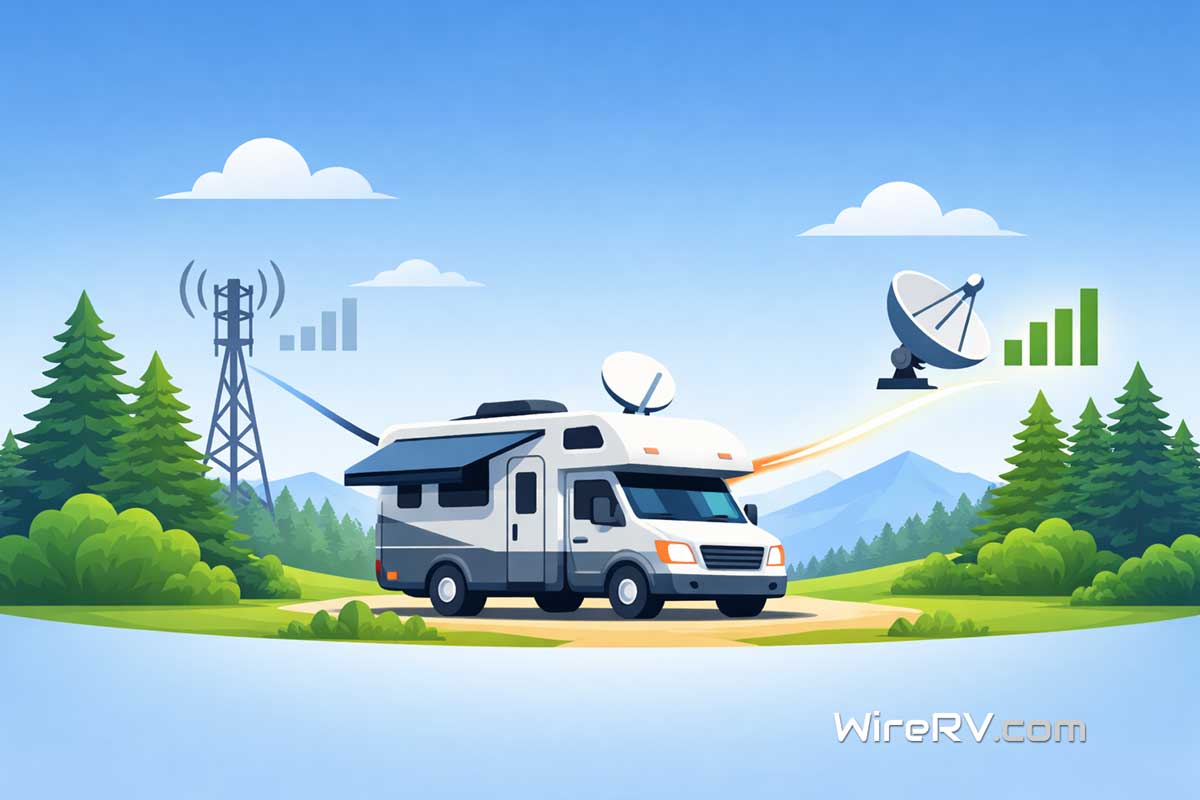
    Staying connected on the road matters more than ever. An RV Internet Backup System helps you stay online when your main connection fails. Whether you rely on cellular data or satellite internet, having a backup plan keeps your work, travel, and daily life running smoothly.


    Hank and Summer inside RV using a laptop and mobile hotspot with an RV Internet Backup System restoring connection after signal loss.
    An RV Internet Backup System can turn a lost connection into a quick recovery, keeping you online when your primary setup fails.

    Why You Need an RV Internet Backup System 🔄

    Even the best RV internet setups, including a reliable RV WiFi setup, can fail. For example, you might lose signal in remote areas, hit data limits, or face network congestion. According to the FCC, understanding broadband speed and performance can help explain why connections vary so much. As a result, your connection can slow down or stop completely.

    However, with an RV Internet Backup System, you can switch to another option quickly. This means you stay connected when it matters most. In addition, it reduces stress and keeps your plans on track.

    What Makes a Strong RV Internet Backup System 💡

    A good backup system is simple, reliable, and ready to use. In most cases, it includes a second connection that works differently from your primary setup.

    If your main internet is cellular, your backup could be satellite. Understanding Starlink vs Cellular RV options can help you choose the right mix. On the other hand, if you rely on satellite, a cellular hotspot can act as your backup.

    Because of this, your connections are less likely to fail at the same time.

    Common RV Internet Backup Options 📶

    Here are the most practical ways to build your backup system:

    1. Secondary Cellular Carrier

    First, using a second carrier is one of the easiest solutions. A second carrier gives you coverage in more places. In addition, signal boosters for RV internet can help improve weak signals.

    As a result, when one signal drops, the other may still work.

    2. Mobile Hotspot Device

    Next, a dedicated hotspot provides a quick backup connection. It is easy to turn on and connect when needed.

    In addition, many hotspots support multiple carriers, which increases flexibility.

    3. Satellite Internet Option 🛰️

    Satellite systems can serve as a backup in remote areas. However, many RVers still build RV internet without Starlink using cellular options. While they may not always be your primary choice, they can restore connectivity when cellular service is unavailable.

    Therefore, they are useful for off-grid travel.

    4. Low-Bandwidth Communication Tools

    Finally, some tools focus on basic communication. These include messaging systems that work even when full internet is not available.

    Although they do not replace full internet, they provide an important safety layer.

    How to Set Up Your RV Internet Backup System ⚙️

    Setting up your system does not have to be complicated. In fact, you can follow a few simple steps:

    1. Identify your primary connection
    2. Choose a different type of backup connection
    3. Test both systems before traveling
    4. Keep devices charged and ready

    By doing this, you ensure your backup works when you need it.

    Mistakes to Avoid ❌

    Even so, many RVers make simple mistakes when building a backup system.

    For example:

    • Relying on the same network for both connections
    • Not testing the backup before a trip
    • Choosing overly complex setups

    Instead, keep your system simple and reliable. Focus on what works consistently, supported by the right RV tech essentials.

    When a Backup System Matters Most 🌄

    There are times when a backup system becomes essential.

    For instance:

    • Working remotely on the road
    • Traveling through remote areas
    • Handling important tasks or communication

    In these moments, having a backup can make a huge difference.

    Final Thoughts on RV Internet Backup System 🎯

    An RV Internet Backup System is one of the smartest upgrades you can make. While your primary connection handles most of your needs, your backup keeps you prepared for the unexpected.

    In summary, the best approach is simple. Use different connection types, test your setup, and stay ready. That way, you can travel with confidence and stay connected wherever the road takes you. 🚐✨

  • Globalstar RV Internet You Need to Know Now
    Globalstar RV Internet You Need to Know Now


    Globalstar RV Internet: What You Need to Know Right Now 🔍

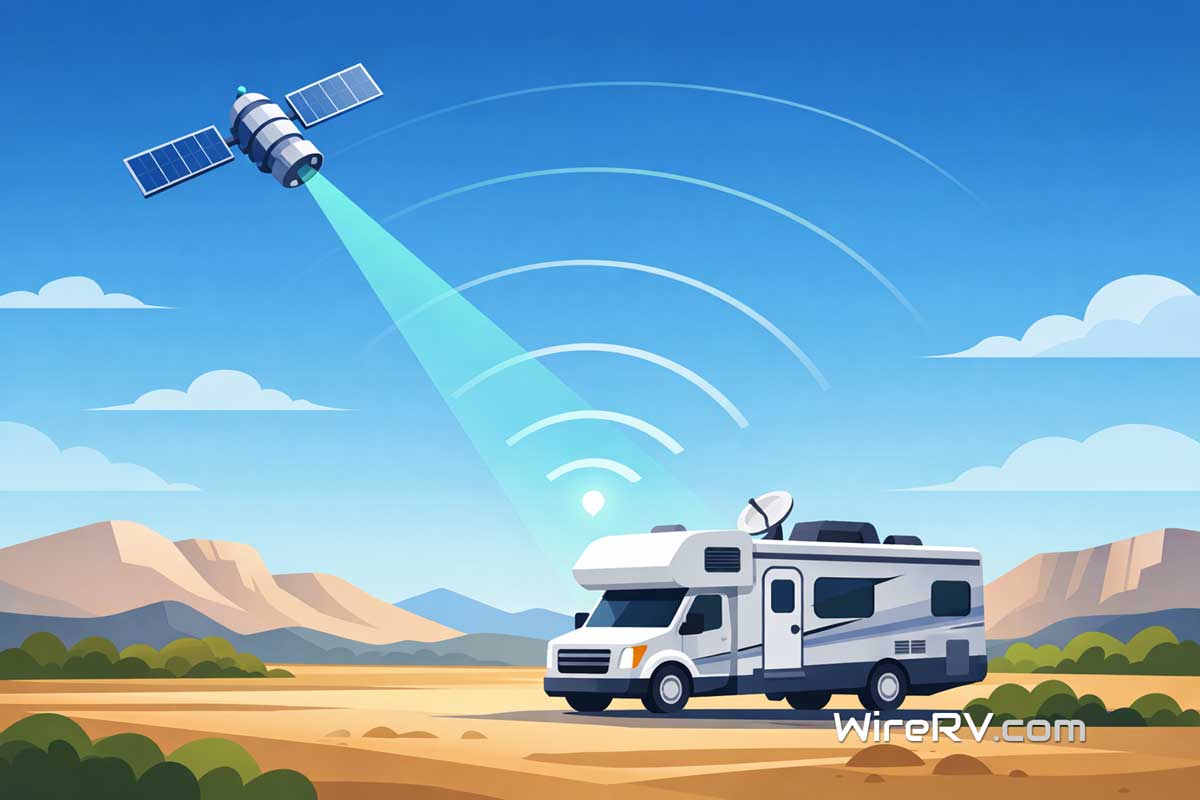
    Interest in Globalstar RV Internet is growing fast. Recently, news pushed Globalstar into the spotlight. As a result, many RVers now ask a simple question. Can it replace traditional internet options?

    The answer is clear. Globalstar is not a full internet solution. Instead, it plays a specific role. It can work when other systems fail or lose signal. So, let’s break down what it does and how it fits into RV life.


    Globalstar RV Internet helping Hank and Summer communicate in a remote campsite at night.
    Even without cellular service, Globalstar RV Internet provides a reliable way to send messages and communicate in remote locations.

    What Globalstar Actually Is 🛰️

    First, Globalstar is a satellite communication system. Unlike traditional RV setups, it focuses on low-bandwidth communication rather than high-speed data.

    In practical terms, this means the following:

    • Text-based communication. 📱
    • Emergency messaging. 🚨
    • Very limited data used for messaging, not full internet access.
    • In other words, this data is used for simple communication, not for browsing or apps.

    Because of this, Globalstar works in many remote areas with a clear view of the sky. Therefore, it becomes useful where cellular service is not available or signal strength is too weak to use.


    What Globalstar RV Internet Is Not ❌

    Next, it is important to set the right expectations. Globalstar is not designed for everyday internet use.

    For example, you cannot rely on it for:

    • Video streaming 🎥
    • Video calls 📞
    • Large downloads 💾

    Instead, if your goal is remote work or entertainment, you will still need a primary setup, especially if you plan to rely on alternatives to satellite internet. In most cases, that means a reliable cellular-based system or satellite internet like Starlink.


    Why Globalstar Is Getting Attention 📈

    Recently, new developments have brought Globalstar into the conversation. In particular, large companies are investing in satellite communication. As a result, this technology may improve over time.

    However, for RVers today, the reality is still clear. Globalstar is best used for basic communication, not full connectivity.


    Where Globalstar Fits for RV Life 🚐

    So, where does this leave you? Globalstar shines in one specific role. It provides a way to communicate when everything else fails.

    For instance, you might use it when:

    • Traveling far off-grid 🌲
    • Exploring remote parks 🏞️
    • Facing an emergency situation ⚠️

    In these situations, even a simple message can make a huge difference. Therefore, Globalstar becomes valuable as a last layer.


    Real-World Use Cases for Globalstar RV Internet 🌍

    To understand its value, consider real-world scenarios.

    For example:

    • You are deep in a national park with no signal 🌲
    • A storm knocks out nearby towers ⛈️
    • You break down in a remote area 🚐

    In each case, your main connection may fail. However, Globalstar still allows basic communication. As a result, you stay connected when it matters most.


    How Globalstar Compares to Other RV Internet Options ⚖️

    At this point, it helps to compare Globalstar to other options.

    • Cellular internet → Fast and reliable in most areas 📶
    • Starlink → High-speed satellite internet 🚀
    • Globalstar → Basic communication only, not full internet 🛰️

    Because of these differences, Globalstar should never replace your main system. Instead, it supports your setup when other options fail.


    Common Mistakes to Avoid ⚠️

    Even so, many RVers misunderstand what Globalstar can do.

    For example, they:

    • Expect full internet performance
    • Replace their main setup
    • Ignore more reliable options

    Instead, you should treat Globalstar as a specialized tool. In other words, it solves one problem, not every problem.


    Should You Use Globalstar RV Internet? 🤔

    Ultimately, the answer depends on how you travel.

    If you:

    • Stay near cities or towns
    • Rely on internet for work

    Then Globalstar may not be necessary.

    On the other hand, if you:

    • Travel off-grid often
    • Value safety and emergency access

    Then it can be a smart addition.


    Final Thoughts on Globalstar RV Internet 🎯

    In summary, Globalstar RV Internet is not a replacement for modern connectivity. However, it does fill an important gap.

    It works best as a safety net. When your main connection fails, Globalstar gives you a way to communicate. Therefore, it adds peace of mind to your setup.

    Looking ahead, satellite technology will continue to evolve. For now, the best approach is simple. Use the right tool for the right job and build your setup around real-world travel needs. 🚐✨

  • The Truth About RV Cellular Setup That Actually Works
    The Truth About RV Cellular Setup That Actually Works

    RV Cellular Setup for Reliable Internet on the Road 📡

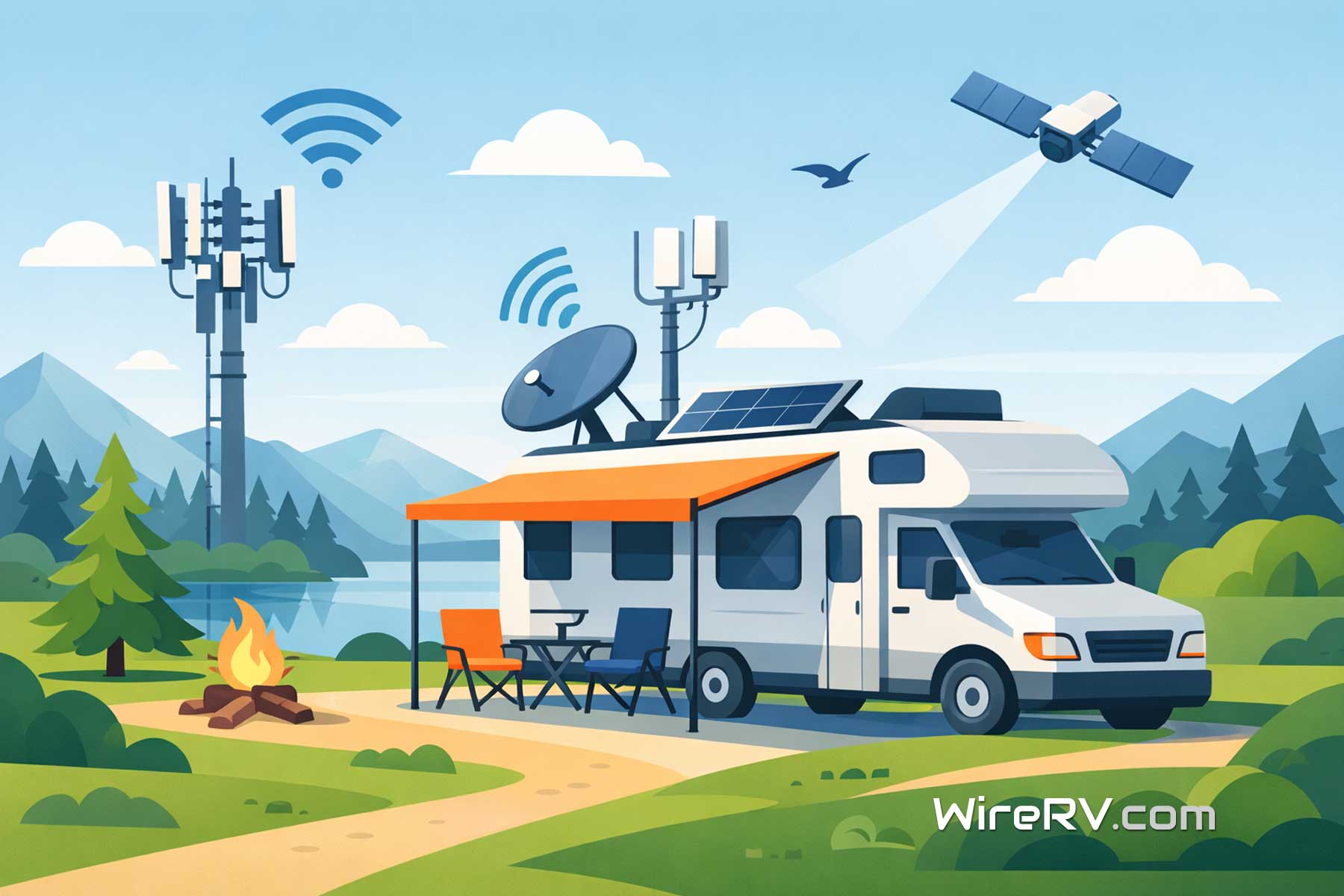
    A strong RV Cellular Setup is one of the easiest ways to stay connected with the right setup. You can work, stream, and plan trips without stress. In many places, cellular internet works better than you expect.

    Also, you do not need a complex system. A simple setup can be both reliable and easy to manage. As you travel, you can adjust it without starting over. Because of this, cellular is a great fit for both full-time RVers and weekend trips.


    Hank and Summer reviewing their RV Cellular Setup on a laptop inside their RV.
    Hank and Summer test their RV Cellular Setup to ensure strong, reliable internet on the road 📶🚐

    What Makes an RV Cellular Setup Actually Work ⚙️

    First, every setup has a few key parts. When these parts work together, your connection improves.

    • Router: This is the brain of your system. A real router works better than a phone hotspot. It handles more devices and keeps speeds stable.
    • Data Plan: Your carrier matters. Coverage changes by location. So, pick a plan that fits where you travel most.
    • Signal Strength: External antennas boost your signal. They help you connect even when towers are far away.
    • WiFi Distribution: Your router connects all your devices. This keeps your phones, laptops, and TVs running smoothly.

    Because of this, you should focus on the full system instead of a basic RV WiFi setup. One upgrade alone will not fix everything. Instead, build a setup where each part supports the others.


    The Best RV Cellular Setup (Simple and Reliable) 🧩

    Now, let’s build a setup that works in real life.

    Core Setup (What You Need)

    • 5G Cellular Router: Choose a router made for travel. It keeps your connection stable and supports many devices at once.
    • Primary Carrier Plan: Pick a strong network like Verizon, AT&T, or T-Mobile. Your choice should match your travel routes.
    • If you are skipping satellite, this type of setup becomes even more important.
    • External MIMO Antenna: This is a key upgrade. It pulls in a stronger signal and improves speeds in weak areas. MIMO antennas use multiple signals at once to improve performance.

    Optional Add-Ons (When Needed)

    • Signal Booster: Use this in very weak areas. It can help when your signal is barely usable.
    • Secondary Carrier: This helps if your main network fails. It adds flexibility when you travel to new regions.

    In most cases, this setup is enough for work, streaming, and daily use. You can always upgrade later if your needs change.


    Why This RV Cellular Setup Works So Well 🔍

    This setup focuses on consistency. Speed matters, but stability matters more.

    For example, antennas often work better than boosters in normal conditions. They pull in cleaner signals and reduce drops. Also, using more than one carrier gives you better coverage across the country.

    As a result, your internet works in more places. You spend less time troubleshooting and more time enjoying your trip.


    Common RV Cellular Setup Mistakes to Avoid ⚠️

    Many RVers make simple mistakes. These can hurt performance.

    • Using only one carrier everywhere
    • Relying on a phone hotspot as your main solution
    • Buying a booster before improving your antenna setup or understanding signal strength
    • Expecting perfect service in remote areas

    Instead, build a balanced system. Start with a strong base. Then add upgrades only when needed. Small changes can make a big difference.


    When to Add a Backup Internet Option 🔁

    Sometimes you need a backup. This is true if your work depends on internet.

    For example, a second carrier can keep you online when signals change. You can also switch plans if one network slows down.

    Because of this, many RVers add a backup after they test their main setup. It gives peace of mind on longer trips.


    RV Cellular Setup vs Other Internet Options 📊

    Cellular internet is simple and flexible. It works well in many places, especially near towns and highways.

    However, other options like satellite systems can help in remote areas. For example, satellite systems can reach places with no cell service. Still, they often cost more and require extra setup.

    So, for most RVers, cellular is the best starting point.


    Final Thoughts on RV Cellular Setup 🎯

    A good RV Cellular Setup does not need to be complex. Simple systems often work best.

    With the right router, carrier, and antenna, you can stay connected in most places. Over time, you can improve your setup as your needs grow.

    In the end, keep it simple. Test what works. Then adjust as needed. This approach helps you stay connected without overthinking your setup. 🚐✨

  • RV Internet Without Starlink: The Truth About What You Need

    RV Internet Without Starlink: The Truth About What You Need

    Staying connected on the road is easier than ever. However, not everyone wants satellite. If you are looking for RV Internet Without Starlink, you have more than enough options to stay online. Whether you work remotely, stream shows, or check in with family, you can build a setup that fits your travel style.

    In fact, many RVers rely on non-satellite solutions every day. So, let’s break down what works, what to avoid, and how to build a setup that actually fits your needs.


    RV Internet Without Starlink setup with Hank and Summer using a laptop and cellular router inside their RV.
    Hank and Summer use a simple RV Internet Without Starlink setup with a laptop and cellular router to stay connected on the road 🚐📡

    📡 Cellular Internet for RV Internet Without Starlink

    First, cellular internet is the backbone of most RV setups. It uses networks from providers like Verizon, AT&T, and T-Mobile. However, coverage varies by location, so it helps to check availability before you travel. Because these networks already cover much of the country, they are often the easiest way to get started.

    ✅ Why it works

    • Strong coverage in cities and along highways 🛣️
    • Affordable startup cost compared to satellite
    • Easy to use with hotspots or routers

    ❌ What to watch for

    • Slower speeds in remote areas
    • Internet performance can vary depending on infrastructure and network congestion
    • Signal can vary depending on terrain, weather, and tower distance. In many cases, cell signal boosters can help improve weak connections.

    👉 Therefore, if you stay near towns or travel frequently, cellular is often the best starting point. It gives you a solid balance of cost, speed, and convenience.


    📶 Mobile Hotspots: Simple and Effective RV Internet Without Starlink

    Next, mobile hotspots are one of the easiest ways to get online. In many cases, you can be connected in just a few minutes.

    You can use:

    • A dedicated hotspot device
    • Your phone’s hotspot feature

    👍 Benefits

    • Quick setup with minimal effort
    • Portable and flexible
    • Works well for light to moderate use

    ⚠️ Limitations

    • Data caps can slow you down over time
    • Performance depends on signal strength

    👉 As a result, hotspots are perfect for beginners or casual internet use. However, if your needs grow, you may want to upgrade your setup. A more complete RV WiFi setup can improve performance and reliability.


    📡 Routers and Boosters for RV Internet Without Starlink

    If you want stronger and more reliable performance, consider adding a router or signal booster. These tools help you get the most out of your cellular connection.

    🔧 Routers

    Routers allow you to:

    • Combine multiple connections
    • Create a stable WiFi network inside your RV
    • Connect several devices at once

    📶 Boosters

    Boosters help by:

    • Improving weak cellular signals
    • Pulling in signal from farther away towers
    • Making slow connections more usable

    👉 Consequently, these tools can make a big difference if you travel in mixed locations. These essential RV tech tools can make a big difference if you travel in mixed locations. They are especially helpful in rural areas where signal strength can be inconsistent.


    🧠 Choosing the Right Setup for RV Internet Without Starlink

    Now, the key is choosing what fits your travel style. Not every RVer needs the same level of connectivity. So, it helps to think about how and where you travel. If you are still comparing options, see our Starlink vs Cellular RV comparison.

    Choose Cellular + Hotspot if you:

    • Stay near populated areas 🏕️
    • Want a simple, affordable setup
    • Use the internet for browsing, email, or light streaming

    Add Boosters or Routers if you:

    • Travel through weak signal areas
    • Need more reliable performance for work or video calls

    Consider Multiple Options if you:

    • Work online full-time 💻
    • Want backup internet for peace of mind
    • Travel through both cities and remote locations

    👉 Ultimately, no single solution works everywhere. So, flexibility is the real advantage. Many RVers start simple and improve their setup over time.


    🔗 Common Mistakes to Avoid

    Even though setting up internet in an RV can be simple, a few common mistakes can cause frustration. Many of these come from common first-time RV setup mistakes.

    • Relying on one connection only
    • Ignoring data limits
    • Skipping signal testing before settling in

    👉 Instead, test your connection when you arrive. Also, keep a backup option if possible. This small step can save you a lot of stress.


    🚐 Final Thoughts on RV Internet Without Starlink

    In the end, RV Internet Without Starlink is not only possible, it is practical for most travelers. With the right mix of cellular tools, hotspots, and optional upgrades, you can stay connected in a wide range of locations.

    So, start simple. Then, improve your setup as your needs grow. Because when your internet works reliably, RV life becomes smoother, easier, and far more enjoyable, especially for those exploring full-time RV living. ✨


    Pro Tip: Many RVers eventually combine multiple options for the best results. Start with one, test it, and build from there 👍

  • Starlink vs Cellular RV: Know the Truth About Options

    Starlink vs Cellular RV: Know the Truth About Options

    Staying connected on the road is no longer optional. A solid RV WiFi setup makes all the difference. Whether you’re working remotely, streaming your favorite shows, or keeping in touch with family, reliable internet matters. However, when it comes to starlink vs cellular rv, many RVers ask the same question: Do you actually need Starlink? 🤔

    Overall, both options can work incredibly well. However, they serve different travel styles, budgets, and expectations. Therefore, understanding those differences helps you avoid overspending. It also helps you choose a setup that truly fits your life on the road.

    Starlink vs Cellular RV setup comparison with Hank and Summer testing internet options inside their RV.
    Hank and Summer compare Starlink vs Cellular RV internet options to find the most reliable connection on the road 🚐📡

    🚀 Starlink for RV: Fast, Flexible, and Expanding

    Starlink has changed what’s possible for RV internet. According to Starlink, satellite coverage now reaches remote locations. Satellite coverage now reaches remote locations. As a result, RVers can stay connected in places that once had no signal at all.

    ✅ Pros of Starlink

    • High speeds in many locations, ideal for video calls and streaming 🎥
    • Works off-grid, far from traditional infrastructure
    • Coverage is expanding, reaching more areas over time

    ❌ Cons of Starlink

    • Requires a clear view of the sky, which can be difficult in wooded areas 🌲
    • Higher upfront cost than most cellular options
    • Setup can take more effort, especially when considering Starlink mounting options

    👉 Therefore, if you enjoy boondocking, national forests, or remote camping, Starlink can be a powerful primary internet solution.

    📡 Cellular Internet for RV: Reliable and Practical

    On the other hand, cellular internet relies on networks from providers like Verizon, AT&T, and T-Mobile, with coverage varying based on location. As a result, for many RVers, this is the most practical and widely available option.

    ✅ Pros of Cellular

    • Strong coverage in cities, towns, and along highways 🛣️
    • Lower upfront cost than satellite systems
    • Works with hotspots and routers

    ❌ Cons of Cellular

    • Slower speeds in rural or congested areas
    • Signal strength varies depending on terrain and tower distance
    • Tools like cell signal boosters can help improve weak connections
    • May require extra setup in weak areas

    👉 Consequently, for RVers staying near populated areas or moving frequently, cellular internet is often more than enough.

    ⚖️ Starlink vs Cellular RV: Key Differences

    When comparing starlink vs cellular rv, the right choice depends on how you travel and where you spend most of your time.

    • Speed: Starlink can outperform cellular in remote areas; however, cellular is steady in populated regions.
    • Coverage: Starlink works best off-grid, whereas cellular shines near infrastructure.
    • Ease of Use: Cellular is typically simpler to use day-to-day.
    • Cost: In general, cellular has a lower barrier to entry.

    Ultimately, these differences matter more than raw speed alone. A fast connection is only useful if it works where you are parked.

    🧠 Starlink vs Cellular RV: Do You Even Need Starlink?

    So, here is the honest breakdown 👇

    Choose Starlink if you:

    • Camp off-grid frequently 🌄
    • Need reliable internet in remote areas
    • Work online and cannot afford downtime. Especially if you rely on dependable RV tech essentials

    Choose Cellular if you:

    • Stay near campgrounds, towns, or highways 🏕️
    • Want a simple and affordable setup
    • Prefer quick, low-effort connectivity

    Consider Both if you:

    • Want maximum flexibility and reliability 🔁
    • Travel through a mix of urban and remote locations

    In many cases, RVers eventually combine both options over time. You can use each where it performs best.

    🔗 Starlink vs Cellular RV: Building the Right Approach

    Instead of thinking in terms of one perfect solution, it helps to think in terms of coverage and consistency. For example, no single option works perfectly everywhere. Therefore, the goal is to choose the one that fits your current travel style, and then adjust as needed.

    👉 Additionally, you can always expand your setup later as your needs grow.

    🚐 Final Thoughts on Starlink vs Cellular RV

    In the end, when it comes to starlink vs cellular rv, there is no one-size-fits-all answer. Instead, the best choice depends on where you travel. Also, how often you move and how important internet is to your daily routine, especially for those exploring full-time RV living.

    So, start with what fits your needs today. Then, adjust as you gain experience on the road. Because when your internet works reliably, everything else about RV life feels easier, smoother, and far more enjoyable. ✨

  • RV Camping by State: Stunning New Ways to Travel
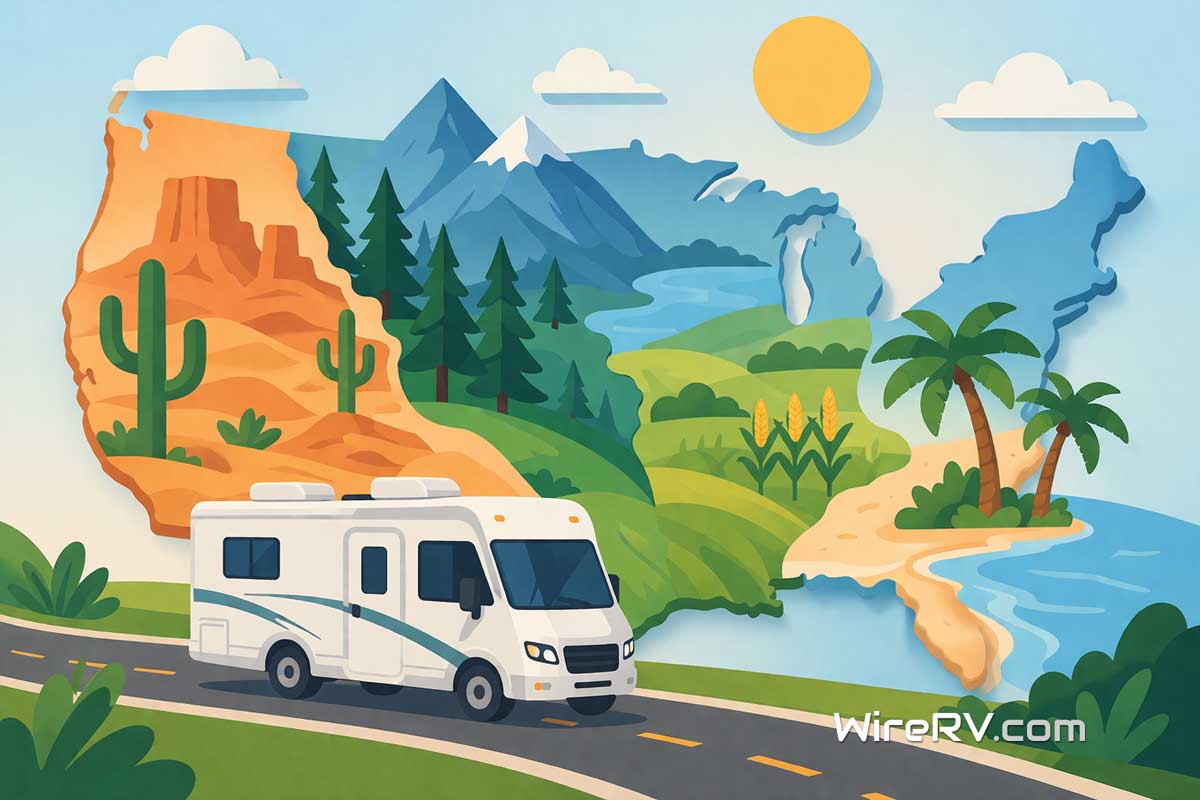
    RV Camping by State: Stunning New Ways to Travel

    If you are planning your next trip, understanding RV camping by state can make a huge difference. RV travel may seem similar everywhere at first, but each region offers a different experience. From desert boondocking to coastal campgrounds, your destination shapes how you camp. If you are just getting started, our Practical First-Time RV Owner Guide You Need to Succeed walks through everything you need to know. 🌎


    RV camping by state in the Southwest desert with a couple relaxing by a campfire near their RV at sunset
    RV camping by state looks very different in the Southwest, where Hank and Summer enjoy desert landscapes, boondocking, and warm sunsets by the fire. 🌵🚐

    Why RV Camping by State Matters 🧭

    First, every state has its own mix of climate, terrain, and campground options. Because of this, your setup, gear, and expectations should change based on where you travel.

    For example, a trip through Arizona will look very different from a summer journey in Maine. This helps you avoid frustration and plan smarter trips.

    In addition, understanding these patterns allows you to:

    • Choose the best season for each location
    • Pick the right type of campsite
    • Prepare for weather and terrain
    • Avoid common beginner mistakes

    Southwest States: Desert and Boondocking 🌵

    In states like Arizona, Utah, and Nevada, RV camping often means wide open spaces and dry climates. Because of this, boondocking is extremely popular, especially on public lands across the Southwest. You can learn more about where to camp and what rules to follow in the BLM camping and dispersed camping guide.

    However, you need to plan carefully. A solid Useful RV Essentials Checklist: Life on the Road can help you prepare for off-grid camping. Water, shade, and power are often limited. In return, you get incredible freedom and stunning views.

    Additionally, winter is the best time to visit. Summers can be extremely hot, which makes camping uncomfortable and sometimes unsafe.


    RV Camping by State in the Southeast: Campgrounds and Comfort 🌴

    Meanwhile, states like Florida, Georgia, and South Carolina offer a very different experience. Here, RV camping is often centered around full-service campgrounds.

    Because the climate is warm and humid, you will rely on hookups. A proper setup matters, which is why the WireRV Setup Guide: Unlock a Wondrous Way to RV is a helpful starting point. You will especially need power for air conditioning. As a result, campground availability matters more than remote access.

    Furthermore, these states are ideal in winter and early spring. Summers, however, can bring heat, humidity, and storms.


    Northern States: Short Season, Big Reward ☀️

    In contrast, northern states such as Michigan, Minnesota, and Maine shine in the summer months. During this time, temperatures are comfortable and outdoor activities are at their best.

    However, the camping season is shorter. So, plan ahead if you want a spot during peak months, especially in popular areas like national parks. Knowing Campground Booking Windows That Can Make You Better Prepared can make a big difference.

    You can check campground details and availability through the National Park Service camping information.

    On the plus side, you will find:

    • Beautiful lakes and forests
    • Cooler temperatures
    • Scenic drives and wildlife

    RV Camping by State in Mountain Regions 🏔️

    States like Colorado, Montana, and Wyoming introduce another variable: elevation. Even in summer, temperatures can drop quickly at higher altitudes.

    Because of this, you need to prepare for rapid weather changes, especially when camping on public lands in higher elevations. You can review campground options and safety tips through the U.S. Forest Service camping guidance. Bring layers, level your RV well, and watch the terrain.

    Also, many mountain areas have limited cell service. Staying connected is easier with tools like those in RV Cell Signal Boosters are Made for Reliable Results. So, plan your route and download maps ahead of time.


    Midwest States: Balanced and Accessible 🌽

    The Midwest offers a balanced RV experience. States like Ohio, Indiana, and Illinois provide a mix of private campgrounds and state parks.

    These areas may not feel as dramatic as coastal or mountain regions, but they are easier to navigate. This makes them great for beginners.

    Moreover, costs tend to be lower, which makes longer stays more affordable.


    How to Adjust Your RV Setup by State 🔧

    As you travel across different regions, your setup should adapt. You can also explore Cozy RV Campsite Setup: Ways to Love the Results to improve comfort in any location. This keeps you comfortable and helps you avoid problems on the road.

    For desert travel, focus on water storage and shade. Dry conditions and strong sun can drain resources quickly.

    In humid climates, strong air conditioning and ventilation are essential. Moisture builds fast, so airflow matters.

    When camping in colder areas, prepare for temperature swings. Nights can cool down quickly, even after warm days.

    Thinking ahead about your destination, including checking forecasts and alerts, can prevent many common issues. You can check conditions and weather alerts using the National Weather Service forecast tools.


    Final Thoughts on RV Camping by State 🚐

    Ultimately, RV camping by state is about more than location. It is about understanding how each place changes your experience.

    By recognizing these differences, you can travel more confidently, avoid surprises, and enjoy each destination for what it offers. In the end, the more you adapt your approach, the better your trips will be. If you are considering a bigger transition, Full-Time RV Living: A Spectacular and Practical Road Life explores what long-term travel really looks like. 🌟

  • RV Travel Weather Planning: How to Make Smart Decisions
    RV Travel Weather Planning: How to Make Smart Decisions

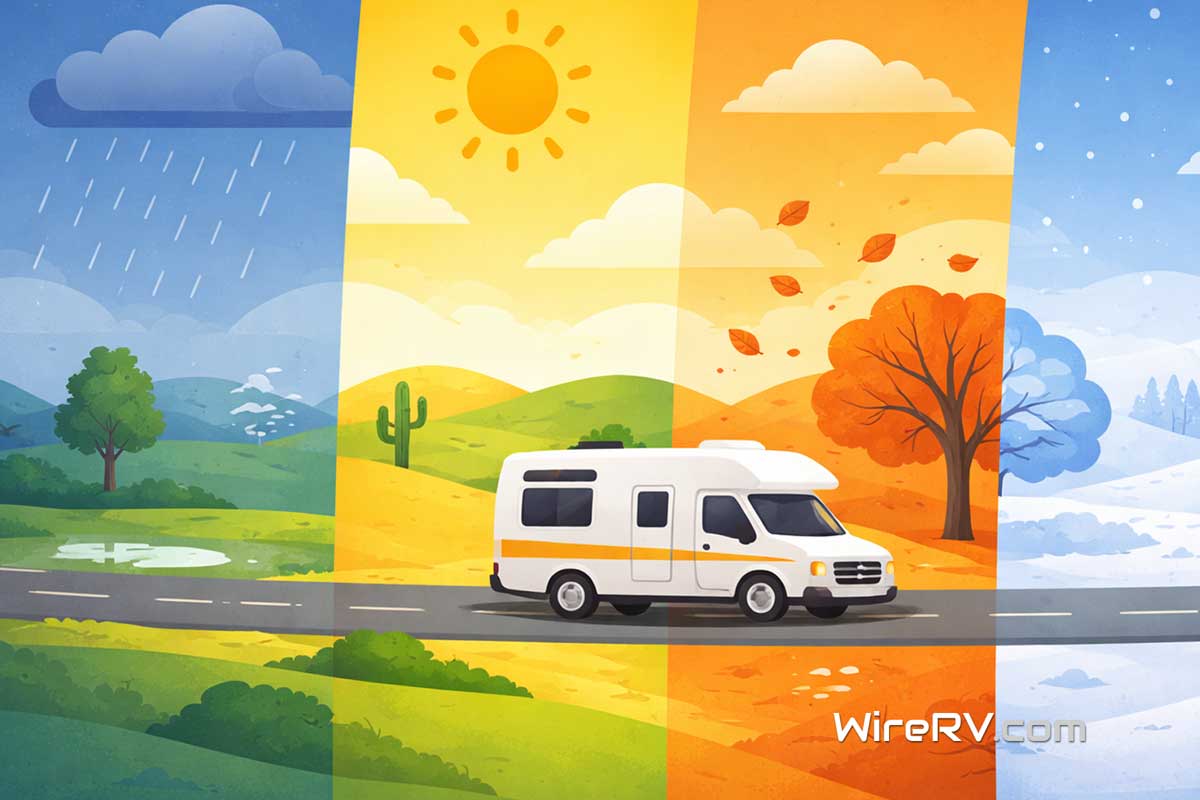
    Most RV trips do not go wrong because of bad planning. Instead, they fall apart because of unexpected weather 🌦️. That is why rv travel weather planning matters more than most people realize. When you understand how weather affects your trip, you can avoid discomfort, delays, and even safety risks.

    For example, it helps to check reliable forecasts from the National Weather Service before heading out. You can also use a dedicated RV GPS or weather-aware navigation device to stay updated while you’re on the road.

    In this guide, you will learn how to plan smarter, adjust quickly, and enjoy your trip no matter what the forecast brings.


    Hank and Summer using a laptop and maps for RV travel weather planning inside their RV.
    Planning ahead makes every RV trip smoother. Hank and Summer use maps, weather tools, and smart decisions to stay comfortable on the road. 🚐🌤️

    Why RV Travel Weather Planning Matters 🚐

    First, weather affects almost every part of your trip. From driving conditions to campsite comfort, it plays a bigger role than your route or schedule.

    For example, rain can turn a beautiful campsite into a muddy mess. Meanwhile, heat can make your RV uncomfortable fast. As a result, even a well-planned trip can feel stressful. Having the right gear on hand can make a big difference when conditions change unexpectedly.

    Because of this, rv travel weather planning helps you stay flexible and prepared.


    Weather Factors That Can Make or Break Your RV Trip 🌍

    🌧️ Rain and Wet Conditions

    Rain may seem minor. However, it can quickly impact your setup and daily plans.

    Wet ground makes leveling harder. In addition, outdoor cooking and relaxing become limited. Therefore, it is important to check for extended rain before you arrive.

    Using RV leveling blocks can make setup much easier on uneven or muddy ground.

    A durable outdoor RV rug can also help keep your campsite cleaner and more comfortable in wet conditions.


    ☀️ Heat and Sun Exposure

    High temperatures can make your RV uncomfortable. In fact, your fridge and cooling systems work much harder in the heat.

    Improving airflow with a high-quality RV vent fan can significantly reduce heat buildup inside your rig.

    Because of this, plan travel days early in the morning. Also, choose campsites with shade whenever possible.

    Reflective window covers can also help block direct sunlight and keep interior temperatures more manageable.

    You can also review extreme heat safety tips from the Centers for Disease Control and Prevention to better understand how heat affects travel.


    🌬️ Wind and Driving Conditions

    Wind is often overlooked. However, it can be one of the most dangerous conditions for RV travel.

    Strong crosswinds affect steering and stability. As a result, driving becomes tiring and sometimes unsafe.

    When parked, using wheel chocks can help keep your RV stable in windy conditions. In more extreme conditions, upgrading your towing setup with sway control can improve handling and reduce driver fatigue.

    It helps to monitor wind conditions using resources like National Oceanic and Atmospheric Administration before driving.

    For more details, see our guide on RV crosswind driving.


    ❄️ Cold Weather and Freezing Temps

    Cold weather introduces a different set of challenges. Pipes can freeze, and systems may stop working properly.

    Using a heated RV water hose can help prevent freezing and keep your water system running in cold conditions. Additional insulation can also help protect exposed pipes in colder temperatures.

    Even though this article focuses on general planning, you should review our freezing weather guide for deeper preparation.


    How to Plan RV Trips Around Weather 🧭

    Now that you understand the risks, you can plan smarter.

    First, check the forecast several days before your trip. Then, check again the day before departure. Weather changes quickly, so staying updated is key.

    Next, build flexibility into your route. For example, allow extra time between stops. This way, you can adjust if conditions change.

    An RV GPS can also help you plan safer routes based on road conditions and vehicle size.

    Finally, pack for multiple conditions. Even if the forecast looks clear, unexpected weather can still happen.


    Match Your Destination to the Season 🌄

    In many cases, where you go matters just as much as when you go.

    For instance, some national parks are perfect in spring but too hot in summer. On the other hand, mountain destinations are ideal during warmer months.

    As temperatures warm up, it’s also a good time to review your RV dewinterizing checklist before your first trip of the season.

    Because of this, rv travel weather planning should always include seasonal destination choices.

    You can also check seasonal conditions directly through the National Park Service before choosing your destination.

    For inspiration, explore our national parks RV travel guide.


    Quick RV Travel Weather Planning Checklist ✔️

    Before your trip, take a few minutes to review these steps:

    • Check the forecast 3 to 5 days ahead
    • Review conditions again before departure
    • Plan flexible travel times
    • Pack for rain, heat, and wind
    • Adjust destinations if needed

    Having the right gear on hand can make it much easier to adapt to changing weather conditions on the road.


    Final Thoughts on RV Travel Weather Planning 🌦️

    In the end, the best RV trips are not just well planned. They are well adapted.

    By focusing on rv travel weather planning, you give yourself the ability to adjust, stay comfortable, and enjoy the journey.

    So before your next trip, take a few extra minutes to check the forecast and plan accordingly. It can make the difference between a frustrating trip and an unforgettable one 🚐✨

  • Cozy RV Campsite Setup: Ways to Love the Results
    Cozy RV Campsite Setup: Ways to Love the Results

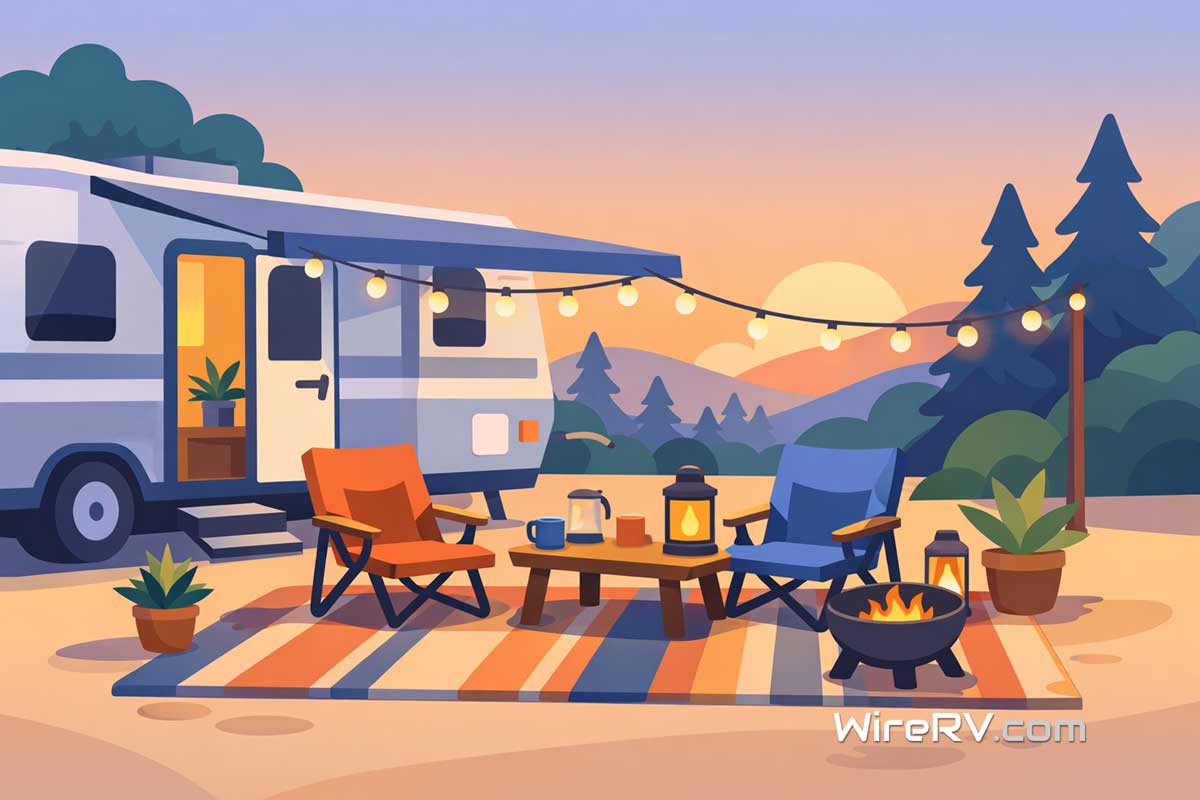
    Creating a cozy RV campsite setup can turn any trip into a relaxing, memorable experience. Whether you’re staying for a weekend or a full season, a few simple upgrades can make your campsite feel warm, inviting, and comfortable.

    Even better, you don’t need a lot of time, money, or gear. Simple additions like string lights, a comfortable outdoor rug, or better seating can instantly upgrade your space without much effort. So small touches can make a big difference in how your setup feels. In fact, many of the best upgrades are simple and affordable.

    So, let’s walk through easy, practical ideas to help you create a cozy RV setup you’ll love coming back to each evening 🌙


    Cozy RV campsite setup with a couple relaxing by a fire pit at sunset, featuring string lights, outdoor seating, and a warm, inviting atmosphere.
    Hank and Summer relaxing at their cozy RV campsite setup after a long day of travel, enjoying the warm glow of sunset and a quiet evening by the fire.

    1. Add Warm Outdoor Lighting for a Cozy RV Campsite Setup ✨

    Lighting is one of the fastest ways to create a cozy atmosphere at your campsite. Therefore, without it, your setup can feel flat or uninviting.

    Instead of relying on harsh overhead lights, use:

    As a result, warm lighting creates a soft glow. In turn, your space feels calm and relaxing after sunset.

    As you create a cozy atmosphere with lights or a fire pit, be sure to follow basic fire safety tips from Smokey Bear to help protect your campsite and the surrounding area.


    2. Use an Outdoor Rug to Define Your Space 🧺

    An outdoor rug instantly transforms your campsite into a defined living area. At the same time, it adds comfort underfoot.

    In addition, it helps:

    • Keep dirt out of your RV
    • Create a clean, comfortable space
    • Add color and personality

    Overall, a rug makes your setup feel more complete. Because of this, your campsite looks more intentional and inviting.

    For example, a 6×9 reversible outdoor rug designed for RV use can instantly define your space while keeping dirt outside where it belongs.


    3. Create Comfortable Seating for a Cozy RV Campsite Setup 🪑

    Comfortable seating is key to enjoying your campsite. After all, this is where you’ll spend most of your time.

    Rather than using basic folding chairs, consider:

    This way, you create a space where you actually want to sit. Once your setup is ready, it’s easy to turn it into a social space for a campsite party. As a result, you’ll spend more time relaxing outdoors.

    For example, even a simple padded camping chair can make your campsite feel much more comfortable without spending a lot. If you want to upgrade your setup, a zero gravity reclining chair adds an extra level of comfort that’s perfect for long evenings outside.


    4. Bring Soft Textures Outside 🧸

    Adding soft elements makes your setup feel more like home. At the same time, it increases comfort.

    For example, try:

    Especially on cooler nights, these small touches make evenings more enjoyable. In fact, they can make a big difference in how long you stay outside.

    For example, a soft, roll-up outdoor blanket with a carry strap is easy to bring along, while a set of weather-resistant outdoor pillows can instantly make your seating area feel softer and more inviting.


    5. Set Up a Simple Table or Coffee Station for a Cozy RV Campsite Setup ☕

    A small table adds both function and comfort. In many cases, it becomes the center of your setup.

    For instance, you can use it for:

    • Morning coffee
    • Snacks or meals
    • Games or reading

    At the same time, a sturdy folding camping table works great. Plus, it doesn’t take up much space.

    For example, a lightweight aluminum folding table with a carry bag that’s easy to set up and strong enough for meals or games makes it simple to enjoy time outside your RV without hassle.


    6. Use Natural Elements for a Relaxed Feel 🌿

    Bring a bit of nature into your setup to enhance the atmosphere. By doing this, your campsite feels more connected to its surroundings.

    To start, simple ideas include:

    Because of this, your campsite will feel more peaceful. In addition, it blends better with the outdoor environment.

    For example, a set of LED lanterns with a flickering flame effect can add a relaxed, campfire-style glow, while a rustic wooden lantern brings in a natural, decorative touch that makes your campsite feel more inviting.


    7. Keep Your Cozy RV Campsite Setup Clutter-Free and Functional 🧼

    A cozy space isn’t crowded—it’s clean and easy to use. Otherwise, it can quickly feel overwhelming.

    To keep things simple, focus on:

    • Storing gear neatly
    • Avoiding unnecessary items
    • Keeping walkways clear

    In the end, a tidy setup makes it easier to relax. As a result, your space feels more open and enjoyable.

    For example, using a durable collapsible storage crate with handles makes it easy to keep small items organized while still packing everything away when you’re ready to move.

    Before arriving, it also helps to review campsite details and layout when booking through Recreation.gov so you can plan a setup that fits your space.

    If you’re still getting familiar with setting up your RV, check out our RV setup guide for step-by-step help.


    Cozy RV Setup Essentials Worth Having 🛠️

    If you want to upgrade your setup quickly, a few key items can make a big impact. In particular, focus on items that improve comfort and lighting.

    For example, consider adding:

    Together, these essentials are simple and affordable. As a result, they’re easy to bring on any trip.


    Final Thoughts: Create a Space You Love 🌅

    A cozy RV campsite setup isn’t about having the most gear—it’s about creating a space that feels good to be in. At the end of the day, comfort matters most.

    Ultimately, with a few thoughtful touches, you can turn any campsite into a place where you can relax, unwind, and enjoy your time outdoors.

    So, start small, add what you need, and build a setup that works for you. Before long, your campsite will feel just as comfortable as home 🏕️✨


    Looking for more RV tips? Explore our guides to make every trip easier, more comfortable, and more enjoyable 🚐

  • RV Kitchen Essentials for the Best Simple Setup

    RV Kitchen Essentials for the Best Simple Setup

    Setting up your RV kitchen essentials is not like stocking a kitchen at home. Instead, you have less space, fewer tools, and limited storage. However, the good news is you do not need a full kitchen to make great meals on the road.

    If you focus on the right RV kitchen essentials, you can cook simple, delicious meals without clutter or stress. In fact, with a few smart choices, your setup can be both efficient and budget-friendly. Here is a practical, budget-friendly RV kitchen setup that actually works.


    RV kitchen essentials collection arranged on a countertop inside a camper kitchen.
    A simple, space-saving collection of RV kitchen essentials for easy cooking on the road.

    Core RV Kitchen Essentials 🔧

    First, these are the RV kitchen essentials you will use every single day. So, keep it simple and functional.

    Non-stick skillet 🍳
    To start, a good non-stick skillet is one of the most important RV kitchen essentials. You can cook eggs, pasta, stir-fries, and one-pan meals with ease. Plus, it makes cleanup much faster.

    👉 Check price on Amazon

    Medium saucepan with lid 🥘
    Next, a saucepan is perfect for boiling pasta, heating soups, or making rice. This compact option is great for RV kitchens and works well for smaller portions. Additionally, a lid helps everything cook faster and saves fuel.

    👉 Check price on Amazon

    After cooking in small spaces, food safety becomes even more important. For safe food handling and storage tips, refer to guidelines from the USDA Food Safety and Inspection Service.

    Cutting board 🔪
    For prep work, go with a lightweight or flexible cutting board. This way, it is easier to store and clean in a small space.

    Sharp knife 🔪
    At the same time, you only need one good knife. A sharp chef’s knife will handle almost everything and, as a result, reduce prep time. This 8-inch option offers great performance without taking up extra space.

    👉 Check price on Amazon

    Mixing bowl 🥣
    Finally, a mixing bowl is useful for prepping, mixing, and even serving. Ideally, choose one that can nest or double as storage.


    Space-Saving RV Kitchen Essentials 💡

    In addition to the basics, these RV kitchen essentials are not required, but they make RV life much easier and more enjoyable.

    Collapsible colander 🧺 (Space-Saving Favorite)
    For example, a collapsible colander takes up almost no space when stored. At the same time, it works just like a full-size colander. This is one of the easiest upgrades for small RV kitchens.

    👉 Check price on Amazon

    Nesting cookware set 🍲 (Best Space Saver)
    Similarly, pots and pans that stack together save a surprising amount of space. This removable-handle set is designed for compact storage and gives you a complete cooking setup without clutter.

    👉 Check price on Amazon

    Magnetic spice rack 🧂
    Meanwhile, a magnetic spice rack keeps your spices organized and off the counter. This is especially helpful in tight kitchens.

    Over-the-sink drying rack 🧼 (Highly Recommended)
    Additionally, an over-the-sink drying rack creates extra counter space and helps dishes dry quickly without clutter. This expandable design fits different sink sizes and keeps everything organized in a small RV kitchen.

    👉 Check price on Amazon


    Nice-to-Have RV Kitchen Essentials ⭐

    If you have the space and power, then these RV kitchen essentials can make cooking even easier.

    Small slow cooker 🍲
    For instance, a slow cooker is great for set-it-and-forget-it meals after a long day of driving.

    Electric kettle ☕
    Likewise, an electric kettle heats water quickly for coffee, tea, or instant meals. This is a simple way to make your RV kitchen more convenient without taking up much space.

    👉 Check price on Amazon

    Compact toaster 🍞
    On the other hand, a compact toaster is helpful if you like quick breakfasts or simple sides.


    What Not to Bring ❌

    However, one of the biggest mistakes new RV owners make is overpacking their RV kitchen essentials.

    Instead, avoid these:

    • Bulky appliances that take up valuable space
    • Duplicate tools that do the same job
    • Single-use gadgets you will rarely touch

    Ultimately, in a small kitchen, every item should earn its place.


    Simple RV Kitchen Essentials Setup That Works 🚐

    Now, a good RV kitchen is not about having more. Rather, it is about having the right RV kitchen essentials.

    With just a skillet, a saucepan, a knife, and a few smart upgrades, you can cook most meals with ease. In fact, this setup works perfectly with simple recipes like one-pan dinners, soups, and quick stovetop meals.

    If you are looking for easy meal ideas, then check out our guide to easy RV one-pan dinners. It pairs perfectly with this setup and, as a result, keeps both cooking and cleanup simple.

    You can also explore smart storage solutions to make the most of your limited space. As a result, a well-organized kitchen makes a big difference when you are living on the road.


    RV Kitchen Essentials Checklist ✅

    Use this simple checklist to make sure you have everything you need before your next trip:

    Core Essentials

    • Non-stick skillet
    • Medium saucepan with lid
    • Cutting board
    • Sharp knife
    • Mixing bowl

    Space-Saving Must-Haves

    • Collapsible colander
    • Nesting cookware set
    • Magnetic spice rack
    • Over-the-sink drying rack

    Nice-to-Have Extras

    • Small slow cooker
    • Electric kettle
    • Compact toaster

    👉 “Looking for budget-friendly options? See our recommended picks above.”


    Final Thoughts 🚀

    In the end, you do not need a complicated setup to cook well in an RV. Instead, start with the basics, add a few space-saving upgrades, and skip anything that does not serve a clear purpose.

    Overall, the goal is simple: less clutter, easier cooking, and more time to enjoy life on the road.