Category: RV Tech & Gear

  • How to RV in Freezing Temperatures: Victory Every Time
    How to RV in Freezing Temperatures: Victory Every Time

    RV in freezing temperatures can damage pipes, tanks, and batteries fast. However, with the right preparation, you can prevent expensive cold-weather repairs this winter.

    Taking your RV in freezing temperatures without preparation can quickly turn a peaceful camping trip into an expensive disaster. For example, a single overnight freeze can lead to burst pipes, cracked fittings, frozen dump valves, and even dead batteries.

    Fortunately, most cold-weather RV damage is preventable. In fact, if you protect the right systems and manage heat properly, you can run your RV in freezing temperatures comfortably — without destroying your rig.


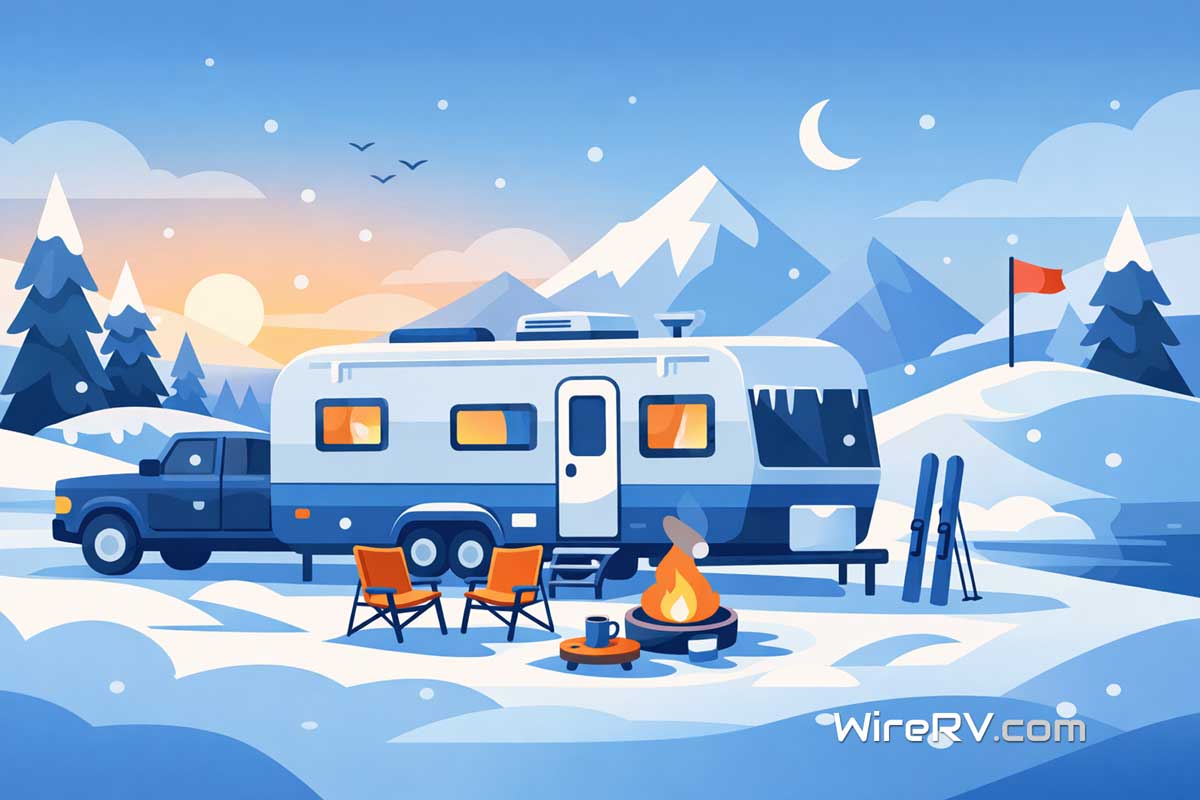
    Hank and Summer staying warm inside their RV in freezing temperatures with snow outside the window.
    Hank and Summer show how to RV in freezing temperatures by keeping the interior warm while winter conditions build outside.

    ⚠️ First: Know Your Risk Zones for RV in Freezing Temperatures

    When temperatures drop below 32°F, several areas become vulnerable. Specifically, you need to watch:

    • 🚰 Fresh water hose
    • 🔌 City water connection
    • 🛢 Holding tanks
    • 🚽 Dump valves
    • 🔧 Interior plumbing lines
    • 💧 Water pump
    • 🔋 Batteries
    • 🔥 Propane system

    Moreover, if temps dip below 20°F, the risk increases significantly — especially overnight. Therefore, the goal is simple: protect water, maintain heat, and reduce exposure.


    1️⃣ Protect Your Water Supply 💦

    First, understand that your water hose is usually the first component to freeze.

    🔥 Use a Heated RV Water Hose

    A heated RV water hose prevents ice from forming inside the line. As a result, it’s the simplest and most reliable solution for sustained freezing temps.

    👉 View a heated RV water hose on Amazon

    Before setting up, make sure:

    • It’s rated for outdoor winter use
    • Connections are tightly sealed
    • The thermostat portion is exposed to outside air

    🧊 Insulate the Spigot

    Even with a heated hose, the campground spigot can freeze. Therefore, it’s important to add insulation.

    Wrap it with:

    • Foam insulation
    • Heat tape (if allowed)
    • An insulated cover

    In extremely low temperatures, you may want to fill your fresh tank and disconnect entirely overnight. That way, you reduce the risk of an external freeze-up.


    2️⃣ Protect Your Holding Tanks 🛢 When You RV in Freezing Temperatures

    Next, turn your attention to the holding tanks. Frozen tanks are not only expensive but also frustrating to deal with.

    🔥 Add Tank Heater Pads

    If your RV doesn’t have built-in tank heaters, aftermarket tank heater pads can help. In particular, they prevent:

    • Ice buildup
    • Cracked tanks
    • Frozen dump valves

    👉 View RV tank heater pad kit on Amazon

    🚫 Keep Valves Closed

    Equally important, do NOT leave gray or black tank valves open in freezing weather.

    Otherwise, liquids will freeze in the hose and create a solid blockage.

    Instead:

    • Keep valves closed
    • Dump when tanks are at least 2/3 full
    • Disconnect and store the hose after dumping

    As a general rule, dump quickly and then remove exposure to the cold.


    3️⃣ Add Skirting (Even Temporary Skirting Helps) 🧱

    Meanwhile, don’t ignore what’s happening underneath your rig. Cold air under your RV increases heat loss and freezes tanks faster.

    For this reason, skirting blocks wind and traps warmer air beneath your RV.

    Options include:

    • Custom vinyl skirting
    • DIY foam board panels
    • Reflective insulation
    • Heavy-duty tarps (temporary solution)

    👉 View a heavy-duty waterproof tarp for RV skirting on Amazon

    Even partial wind blocking can make a noticeable difference. In other words, perfection isn’t required — improvement is.


    4️⃣ Manage Interior Heat the Right Way 🔥 for RV in Freezing Temperatures

    At this point, it’s important to understand that your furnace does more than keep you warm — it protects your plumbing.

    Because most RV furnaces route warm air into the underbelly, they actively protect tanks and lines.

    ⚡ Don’t Rely Only on Space Heaters

    Although electric space heaters warm the living area, they may not heat plumbing compartments.

    Therefore, use them to supplement heat, not replace the furnace entirely.

    👉 View a compact ceramic space heater on Amazon

    🚪 Open Cabinets

    Additionally, open cabinet doors under sinks to allow warm air to circulate around pipes.

    Small adjustments like this can significantly reduce freezing risk.


    5️⃣ Prevent Condensation Damage 💧 of RV in Freezing Temperatures

    At the same time, cold-weather RVing creates moisture problems.

    Cooking, breathing, and propane heat add humidity. Consequently, when that moisture hits cold surfaces, condensation forms.

    Over time, this can lead to:

    • 🦠 Mold
    • 🧱 Soft walls
    • 🪟 Damaged window seals

    To manage this effectively, use:

    👉 View a compact dehumidifier for RV use on Amazon

    • A small dehumidifier
    • Vent fans while cooking
    • Moisture absorbers in closets

    Ultimately, managing moisture is just as important as preventing frozen pipes.


    6️⃣ Protect Your Batteries 🔋

    In addition to plumbing concerns, cold temperatures reduce battery efficiency dramatically.

    For example, at 32°F, batteries lose roughly 20% capacity. At 0°F, that number increases even more.

    To protect them:

    • Keep batteries fully charged
    • Keep them clean and dry
    • Protect them from wind exposure

    If possible, use insulated battery covers during sustained freezing weather. That extra layer can help preserve performance.

    👉 View an RV battery insulation cover on Amazon

    Keep batteries fully charged and protected from wind exposure. For a complete packing list of RV essentials that help protect your rig in any season, check out this RV Essentials Checklist.


    7️⃣ Know When to Disconnect 🚫🚰 Your RV in Freezing Temperatures

    Finally, know when conditions require a different strategy.

    If temperatures are dropping into the teens or lower for multiple days, consider switching to dry camping mode.

    Specifically:

    • Fill fresh tank
    • Disconnect water hose
    • Dump and store sewer hose
    • Monitor tank levels carefully

    By reducing external connections, you significantly lower freezing risk.


    🥶 What Temperatures Are Too Cold to RV in Freezing Temperatures?

    Naturally, many RVers ask this question.

    There isn’t one universal cutoff. However, many modern RVs with enclosed underbellies and tank heaters can handle sustained temps in the 20s.

    Below that, preparation becomes critical. In fact, single-digit temps require:

    • Skirting
    • Tank heaters
    • Active monitoring
    • Consistent furnace use

    Without preparation, damage can happen quickly. Therefore, always match your setup to the forecast.


    ✅ Final Thoughts

    In summary, running an RV in freezing temperatures isn’t reckless — but it does require intention.

    Protect your water systems. Manage heat correctly. Reduce exposure.

    If you prepare proactively, you can prevent thousands of dollars in repairs later.

    Ultimately, winter camping can be quiet, peaceful, and crowd-free — as long as your pipes survive it. ❄️🚐

    Always check the forecast before setting up. The National Weather Service provides up-to-date winter weather safety guidance and alerts.

  • Keep RV Fridge Cold Easily with the Best Advice
    Keep RV Fridge Cold Easily with the Best Advice

    RV life has some basics. One necessity is this: keep RV fridge cold. If you rely on 12V battery mode or hope the insulation will do the job, you might be surprised at how quickly things warm up. This guide breaks it down into simple steps so your fridge stays cold and your food stays safe. No stress. No surprises.

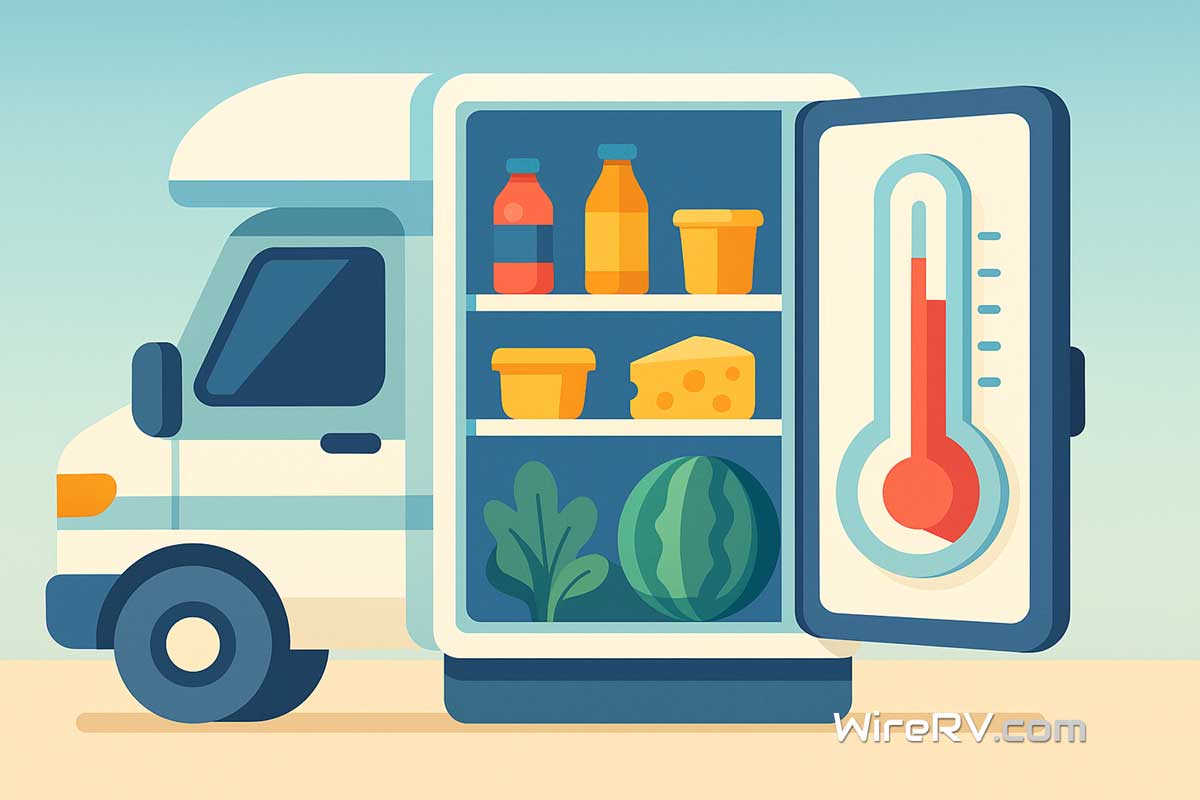
    Keep RV Fridge Cold tips illustrated: RV fridge scene emphasizing airflow and safe temperature habits.

    Start Cold to Keep RV Fridge Cold

    Before you hit the road, give your fridge a head start:

    • Plug it in early. Run the fridge on shore power for at least 24 hours before your trip. In fact, let it get cold, really cold.
    • Pre-chill your items. Load only cold drinks and groceries. Everything going in should already be chilled. This becomes even more important when preparing for a campsite party with friends.
    • Leave space inside. Avoid stuffing it full. Cold air needs room to circulate between items.
    • Add frozen backups. Place ice packs or frozen water bottles inside to help maintain the temperature. Tuck in a few reusable ice blocks like the Igloo Maxcold Ice Block before departure. These stay frozen longer than regular ice and help keep everything cold while you’re on the move.

    Bonus tip: Freeze a few small bottles of water and tuck them into fridge gaps. They’ll hold cold longer than air alone. Additionally, consider freezing a few meals ahead of time. Not only will they stay preserved, but they’ll also help cool everything around them.


    Power Options That Help Keep RV Fridge Cold

    Let’s break down the most common options:

    • Propane mode – This popular method works well on most absorption fridges. Many RVers use propane while driving, but remember to shut it off at fuel stations, tunnels, or anywhere it’s restricted.
    • 12V battery mode – Your RV battery can power the fridge in transit, but it typically maintains temp rather than actively cooling.
    • Inverter-powered fridges – If you have a residential fridge, pair it with a solid battery bank and inverter setup. Many full-timers run this successfully with lithium batteries or solar.

    👉 Don’t rely on your tow vehicle’s battery. It can’t handle the load and may leave you stranded.

    While each method has its pros and cons, the right choice depends on your rig, trip length, and available power sources. Always test your setup before a long haul.


    Easy Upgrades to Keep RV Fridge Cold Longer

    These small additions improve performance:

    • Install an RV fridge fan. A battery-operated fan circulates air and prevents hot spots. Try a Beech Lane RV fridge fan to keep cold air circulating while you drive.
    • Use a thermometer. Monitor your fridge’s interior temperature and stay in the safe zone.
    • Limit door time. Keep the fridge closed as much as possible during travel.
    • Add insulation. Place Reflectix or foam board behind the fridge wall if sunlight hits that area.

    Moreover, you can use vent fans on the exterior fridge vents to help push hot air out and improve cooling efficiency. This is especially helpful during summer travel when temps spike.


    Common Mistakes That Warm Things Up

    Even experienced RVers make these errors:

    • Loading warm groceries just before leaving
    • Overpacking and blocking airflow
    • Relying on 12V mode for long drives
    • Forgetting to latch the fridge door, leading to spills or worse.
    • A fridge door that swings open mid-drive can cause spills, broken shelves, and spoiled food. A simple RV-friendly refrigerator lock like this adhesive latch helps keep the door securely closed while traveling.
    • Blocking exterior vents, especially if gear shifts during travel

    Ultimately, avoiding these mistakes is just as important as doing things right. Pay attention to small details, and you’ll keep your fridge running more efficiently.


    Final Tips for Smooth Travel

    • Pack cold-to-the-touch items only
    • Plan shorter drive days when possible
    • Store perishables low in the fridge — it’s colder there
    • Use more shelf-stable foods for longer trips
    • Always check the fridge temperature at stops

    To sum up, keeping your RV fridge cold on the road doesn’t require a fancy setup. You just need good prep, smart settings, and a few affordable tools. With the right approach, you’ll enjoy safe, cold food no matter where the road takes you.

    Want a second opinion? RVTravel.com shares more cooling tips here.


    Still dialing in your rig?
    Check out our guide to RV Sewer Hookup Gear or browse all our setup tips at WireRV.com.

  • RV Cell Signal Boosters are Made for Reliable Results
    RV Cell Signal Boosters are Made for Reliable Results

    RV Cell Signal Boosters: Stay Connected Anywhere

    Reliable cell service can make or break your RV adventure. Whether you work remotely, rely on GPS navigation, or just want to stream a movie at night, a strong signal is essential. That’s where a cellular signal amplifier, also called a cell booster, can help. Indeed, let’s explore how these devices work, who needs one, and which options are best for RV life.

    👉 Popular RV-ready boosters like the weBoost Drive Reach RV II, SureCall Fusion2Go 3.0 RV, and HiBoost Travel 3.0 RV can turn a weak signal into something you can actually use on the road.

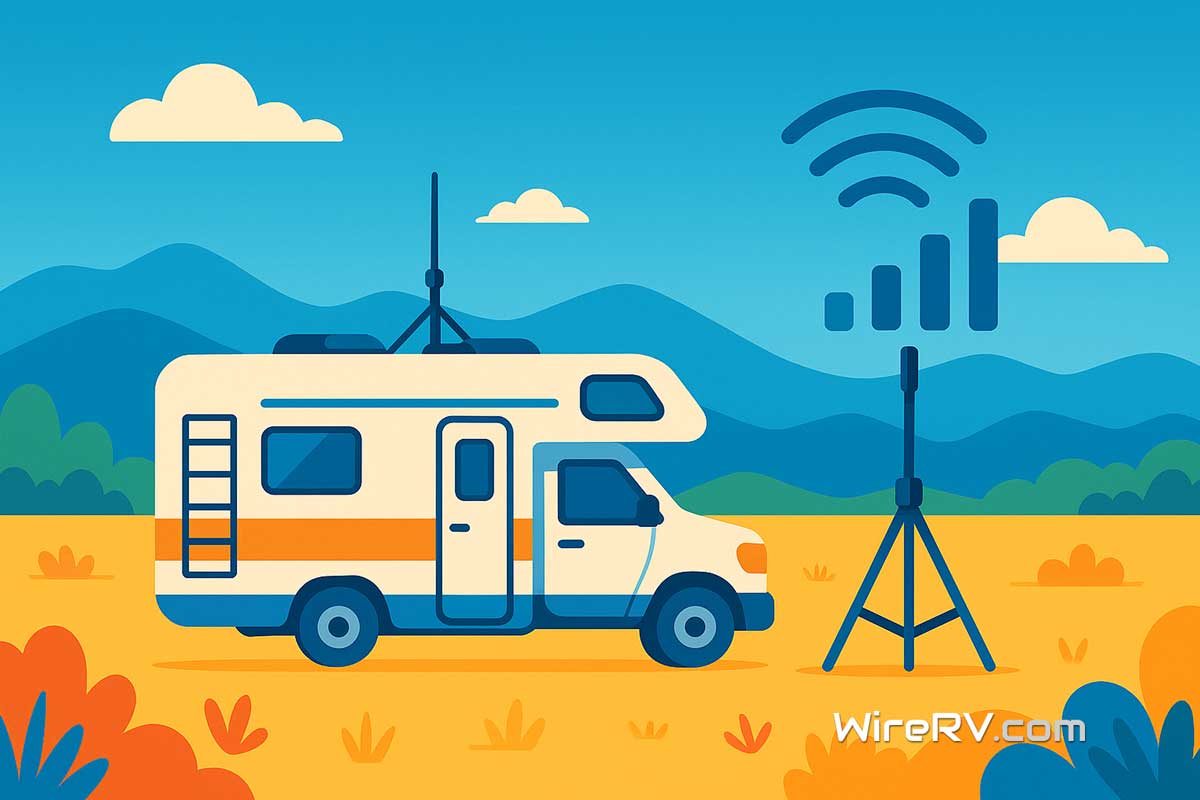
    RV cell signal boosters showing indoor unit, antenna, and a nearby RV parked in a scenic grassy area.

    Why RV Cell Signal Boosters Matters in RV Life

    RV travel often takes you far from city towers and strong networks. In fact, in these quiet, scenic places, your cell signal may drop to one bar or disappear entirely. So, a cell booster helps improve that weak signal, making it easier to:

    • Navigate with apps
    • Take work calls or join video meetings
    • Stream shows or music
    • Use your phone in emergencies

    When campground Wi-Fi is slow or unreliable, your own mobile connection becomes your lifeline.

    👉 Even a small boost in signal can make the difference between no service and a connection you can actually use.

    📶 Signal Tip

    Even going from one bar to three bars can completely change your experience on the road.


    What Is a Cellular Signal Amplifier?

    A cell signal amplifier is a device that boosts your phone’s existing signal. Basically, it works by using:

    • An outside antenna to catch the signal from the nearest cell tower
    • An amplifier unit to strengthen that signal
    • Also, an inside antenna to rebroadcast it inside your RV

    These devices do not create signal from nothing. You need at least a faint signal for them to work. However, they can often turn one bar into three or four, making your connection far more usable.

    Cell boosters are different from Wi-Fi extenders. Wi-Fi extenders improve existing wireless networks, while boosters work with your phone’s 4G, LTE, or 5G signal.


    Best Use Cases for RVers

    A cell booster can make a big difference in several common RV situations:

    • Boondocking in remote areas
    • Camping in national parks or wooded valleys
    • Driving through rural stretches
    • Staying in campgrounds with poor reception

    If you often travel off the grid or rely on your phone for navigation, work, or safety, a booster can make a big difference. It can quickly become one of the most valuable upgrades in your RV setup.


    Types of RV Cell Signal Boosters

    Not all cell boosters are the same. Some are designed for a single device, while others provide coverage for your entire RV.

    • Cradle-style boosters: These work for one phone at a time, placed in a charging cradle. They are easy to install but limited in use.
    • Multi-device boosters: These support multiple phones, tablets, and hotspots at once. They provide a signal throughout your RV and are the most popular choice for RVers.
    • Temporary vs. permanent installs: Some boosters are plug-and-play and quick to set up. Others require routing cables through your RV for a more permanent installation.

    👉 If you need coverage for more than one device, a multi-device booster is usually the better choice.

    📶 Signal Tip

    Even a small signal boost can mean the difference between no service and a usable connection.


    Top RV Cell Signal Boosters (2025 Picks)

    Here are some of the most recommended boosters on the market:

    1. 📶weBoost Drive Reach RV II🔗

    👉 A top-tier RV signal booster designed for full coverage and reliable performance on the road.

    • Supports multiple devices at once
    • High-powered signal boost for weak areas
    • Built for RV travel and changing conditions

    Best for: Full-time RVers, remote workers, and anyone needing a strong, consistent signal across their entire rig.

    👉 Check availability and current pricing

    2. 📶SureCall Fusion2Go 3.0 RV🔗

    👉 A strong-performing RV booster that balances performance and value.

    • Award-winning performance (PCMag Best of 2025)
    • Space-saving amplifier design
    • Reliable multi-device support throughout your RV

    Best for: RVers who want strong performance at a better price than premium models.

    👉 Check availability and current pricing

    3. 📶HiBoost Travel 3.0 RV Cellular Signal Booster🔗

    👉 A user-friendly RV booster with strong performance and simple signal monitoring.

    • LED indicators for simple signal status
    • Supports multiple devices in small RVs
    • Straightforward setup and operation

    Best for: RVers who want a simple, easy-to-use booster with clear signal feedback.

    👉 Check availability and current pricing


    Each of these models is FCC-approved and suitable for RV use.


    Installation Tips for Best Results

    To get the most out of your booster, follow these tips:

    • Mount the outside antenna as high as possible, preferably on the RV roof.
    • Keep plenty of distance between the inside and outside antennas to avoid feedback.
    • Place the inside antenna near where you use your phone or hotspot most often.
    • Use a stable power source. Many boosters run on 12V or use an AC adapter.

    👉 Small placement changes can make a big difference in signal strength, so take a few minutes to dial in your setup.

    Need more help? Check out our WireRV Setup Guide.


    Real-World Performance

    Cell boosters work best when there’s at least a minimal signal to amplify. In particular, here’s what to expect:

    • For one thing, boosting weak signals, not generating new ones
    • Works best when parked, but some models help in motion
    • Pair accordingly with a mobile hotspot for improved connectivity

    Boosters won’t turn zero bars into five, but they can make a big difference where it counts.


    Should You Get a Cell Booster?

    Ask yourself:

    • Do you work on the road?
    • Also, do you travel to remote areas often?
    • Furthermore, do you rely on your phone for GPS or safety?

    Indeed, if you said yes to any of these, a booster is probably worth it.


    Final Thoughts on RV Cell Signal Boosters

    Staying connected on the road can be a challenge, but the right gear makes all the difference. RV cell signal boosters help you stay in touch, even when nature calls you off the grid. With just a bit of setup, you can boost your signal—and also your confidence—every time you hit the road.

    Overall, start with one of the top picks above and choose the option that best fits your setup and travel style. A reliable signal can make every trip smoother and more enjoyable.

  • Useful RV Essentials Checklist: Life on the Road
    Useful RV Essentials Checklist: Life on the Road

    If you’ve just joined the world of RV travel, by all means, welcome! Whether you’re planning a weekend getaway or hitting the road for a long-term adventure, it can be hard to know what’s truly necessary. That’s also why we’ve created this friendly, field-tested RV essentials checklist to help you pack smart, stay safe, and enjoy the ride.

    Above all, this isn’t about stuffing your rig with every gadget out there. It’s also about making sure you’ve got what matters most.

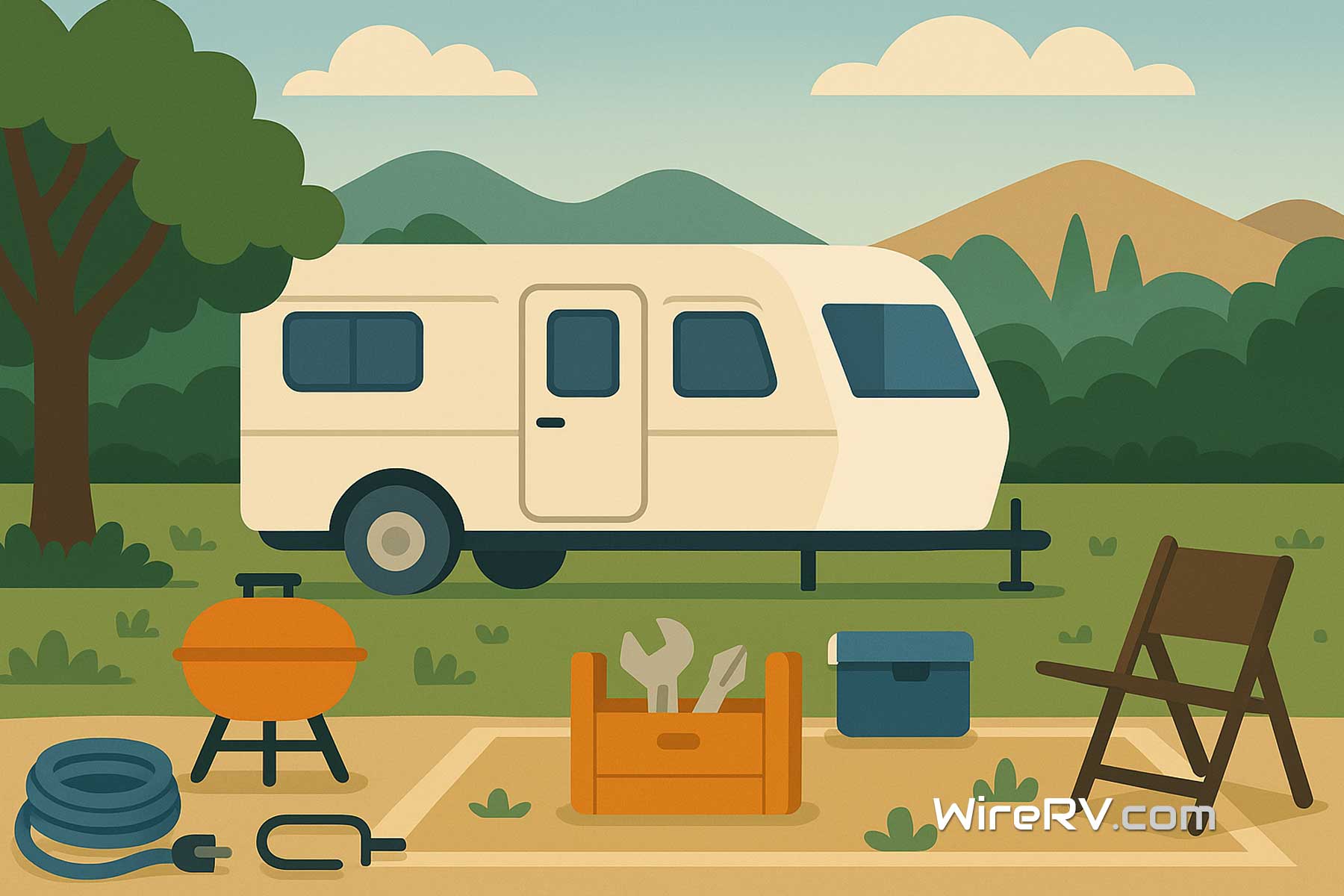
    RV Essentials Checklist items arranged on a campsite table next to a white RV under a sunny sky.

    RV Essentials Checklist: Must-Have Tools and Gear

    For one thing, a few basics can go a long way. These items are foundational before heading out for setup, breakdown, and unexpected repairs.

    Checklist:

    👨‍👩‍👧‍👦✨ Parent tip: Keep your setup gear in one easy-to-access bin. It will save you a ton of stress during arrival and departure.


    Comfort and Living Essentials

    Meanwhile, let’s talk about making your RV feel like a true home on wheels.

    Checklist:


    🧺 Want to go above and beyond after that?

    Add a rug for outside your door to catch dirt before it enters. For example: the Reversible Outdoor Camping Rug – Weatherproof Mat for RV & Patio is durable, easy to clean, and adds comfort to your setup.

    Hank and Summer relax under the awning of their RV, seated on a large gray-and-white hexagon-patterned outdoor rug, with a cooler and picnic items nearby.

    RV Essentials Checklist: Kitchen and Cooking Basics

    You don’t need a gourmet kitchen in the long run. In essence, you just need the right gear for quick, satisfying meals.

    Checklist:

    Tip for beginners: Plan five to seven easy meals before your first trip so you don’t scramble with groceries on the road.


    RV Essentials Checklist: Outdoor Living Add-Ons

    After all, what’s RV life without enjoying the great outdoors?

    Checklist:

    • Folding camp chairs: At least one per person, plus an extra for guests.
    • Awning mat or outdoor rug: Keeps your feet clean and defines your space.
    • String lights or lanterns: For cozy evenings outside.
    • Bug repellent and citronella candle: Trust us, you’ll need it.
    • Portable table: Helpful for cooking, games, or organizing gear.

    RV Essentials Checklist: Entertainment and Extras

    You’ll want a few comforts for downtime, especially on rainy days.

    Checklist:

    • Books, board games, or card decks
    • Streaming setup or hotspot device: If Wi-Fi is a must.
    • Bluetooth speaker
    • Notebook or travel journal
    • Binoculars: For nature lovers or stargazers.

    Not everything has to be functional. Pack one “just for fun” item per person. It might become your favorite part of the trip.


    RV Essentials Checklist: What You Don’t Need

    Here’s where most new RVers overpack. Save space by leaving these behind, at least at first:

    • Full dish sets. You only need two to four of each.
    • Extra appliances. Choose one or two multipurpose items.
    • Huge tool collection. Bring the basics only.
    • Tons of clothes. RVs have limited storage, and laundry exists.

    Final Thoughts: Pack Light, Travel Smart

    This RV essentials checklist is your starter kit. It’s designed to get you confidently on the road without overwhelm. As you travel, you’ll learn what you reach for most often and what can stay home.

    Ready to hit the road?
    Download our free printable RV Essentials Packing List to make sure you’re ready for your next trip:

    Explore more RV tips, travel stories, and gear guides at wirerv.com

  • See The Truth About My RV Solar Workstation Setup
    See The Truth About My RV Solar Workstation Setup

    How I Power My RV Workstation with Solar + Battery Bank

    Discover the ultimate RV Solar Workstation for remote work on the road. Learn how I built a reliable, off-grid setup using solar panels and a battery bank that keeps my gear running no matter where I park. 🔋🌞

    If you’re a digital nomad like me, you know the struggle of finding consistent power on the road. After plenty of trial and error, I finally found a combination. One of RV solar panels, charge controllers, and battery storage that powers my laptop, monitor, router, and camera gear day and night.

    For more smart RV tips, visit WireRV.com — your further tech-savvy travel companion. 🛠️💡


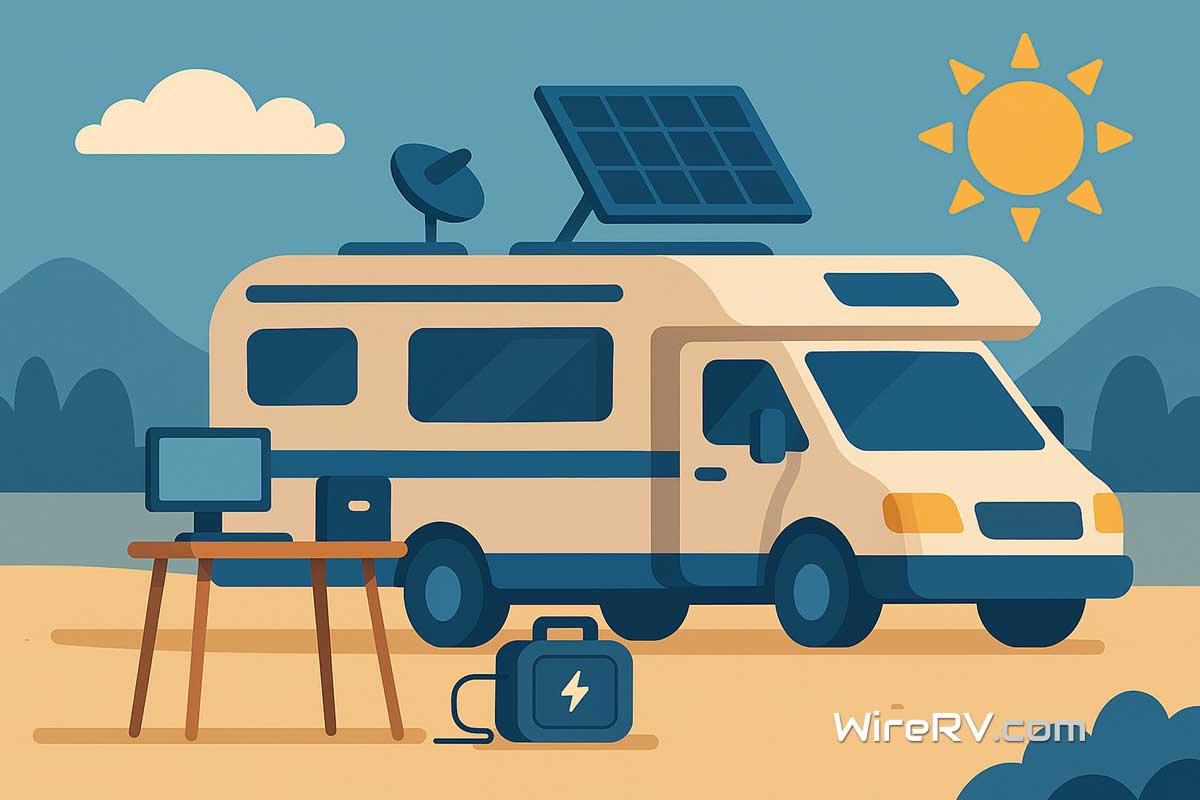
    Interior view of an RV solar workstation with battery bank, solar monitor, and tech gear in a cozy, semi-realistic style.

    🌌 The Heart of My RV Solar Workstation: Solar Panels

    I installed 200 watts of monocrystalline solar panels on my RV roof using tilt mounts for better sun exposure. This gives me a steady input even during cloudy days. For portable boosts, I also carry a foldable 100W solar panel.

    🚗 Mounting and Wiring Basics

    I used a simple, low-profile mounting kit and ran wires through a roof gland to my charge controller. 🔧 The wiring is fused and grounded for safety and long-term reliability.

    🔋 Choosing a Battery Bank

    I opted for two 100Ah LiFePO4 batteries because of their longer life, deeper discharge, and fast charging. 🔌 They sit snug in a ventilated storage box near the inverter.

    🛠️ Charge Controller and Inverter

    My setup uses a Victron SmartSolar MPPT charge controller to stay efficient, along with a 1000W pure sine wave inverter for AC devices. I also added a Bluetooth battery monitor to track everything from my phone 📱.

    🚀 Real-World RV Solar Workstation Performance

    I work 6–8 hours daily using a laptop, second monitor, LED lights, and Starlink. This solar + battery setup keeps up easily in sunny conditions. ☀️ During cloudy weather or winter months, I use shore power or a portable generator as backup.


    Whether you’re full-timing or weekend camping, a RV Solar Workstation offers freedom and peace of mind. With the right gear and a little planning, you can stay productive off-grid for days. 💼🔆

    For more smart RV tips, visit WireRV.com — your tech-savvy travel companion. 🛠️💡

  • The Truth About Best RV Solar Panel Kits 2025

    The Truth About Best RV Solar Panel Kits 2025

    Best RV Solar Panel Kits [2025 Review] ☀️🔋

    In 2025, solar power is no longer just a luxury — it’s also a smart, 🌱 sustainable solution for digital nomads and full-time RVers. Whether you’re boondocking off-grid or hoping to save on campground fees, investing in the right RV Solar Panel Kits can truly transform how you power your adventures.

    That’s why this guide reviews the best RV Solar Panel Kits for 2025. That is to say, it covers everything from compact starter sets to powerful off-grid systems — and along the way, it helps you make the right choice. 🧭

    Cartoon-style illustration of a smiling sun above an RV solar panel kits under a bright blue sky.

    🔧 What Makes a Great RV Solar Panel Kit?

    Before we dive into specific products, let’s explore what makes an RV Solar Panel Kit stand out. Understanding the key features will help you choose with confidence. ✅ To begin with, you’ll want to consider the following:

    • Efficiency: ⚡ First and foremost, high-quality monocrystalline panels perform better in low light, so you stay powered even on cloudy days.
    • Portability: 🧳 In addition, foldable or suitcase-style panels are ideal for smaller RVs or part-time travelers.
    • Expandable capacity: ➕ Furthermore, some kits allow you to scale up as your energy needs grow — a great option for long-term RVers.
    • Charge controller quality: 🔋 Notably, MPPT controllers are more efficient than PWM and offer better charging performance overall.
    • Durability: 🛡️ Of course, you’ll want to make sure your kit is built for travel. Weatherproof components are of course essential.
    • Ease of installation: 🪛 Lastly, plug-and-play kits are perfect for those who want to avoid complicated wiring.

    As you can see, choosing a kit involves more than just wattage. 💡 With that in mind, let’s move on to the top kits available.


    🌞 Top RV Solar Panel Kits for 2025

    Now that you know what to look for, let’s break down the top RV Solar Panel Kits available this year. 🔎 Here are our top picks — chosen for quality, value, and RV compatibility.


    1. Jackery Explorer 300 Plus Portable Power Station

    • Best For: ⭐ Off-grid RVers needing lightweight, portable backup power
    • Includes: 288Wh LiFePO4 battery, 300W inverter, 1× AC outlet, USB-C PD, USB-A, and car port
    • Why We Like It: Compact but powerful — this solar generator is ideal for keeping your laptop, phone, or router running during cloudy days or as an emergency backup. It recharges via wall, car, or solar input, and the app control is a nice bonus. 🔋
    • Buy: Jackery Explorer 300 Plus Portable Power Station

    2. Renogy 100W Solar Starter Kit with Wanderer

    • Best For: 🔧 Beginners building a compact RV or van solar setup
    • Includes: 1×100W monocrystalline panel, 30A PWM Wanderer controller, mounting brackets, tray cables
    • Why We Like It: This all-in-one kit is affordable, reliable, and easy to expand later. It’s a great starting point for small power needs like lights, fans, or device charging. 🌞
    • Buy: Renogy 100W Solar Starter Kit with Wanderer Controller

    3. ECO-WORTHY 200W Complete Solar Power Kit

    • Best For: 🏕️ Off-grid RVers and tiny home users wanting a full plug-and-play system
    • Includes: 2×100W panels, 30A PWM charge controller, 600W inverter, 12V 20Ah LiFePO4 battery, cables, mounting brackets
    • Why We Like It: This kit has it all — solar panels, battery, inverter, and controller — making it a great starter solution for RVers who want simplicity. It’s compact, expandable, and ideal for light to moderate power needs. ⚡
    • Buy: ECO-WORTHY 200W Complete Solar Power Kit with Battery and Inverter

    4. ExpertPower 200W Solar Power Kit with LiFePO4 Battery

    • Best For: 🔋 DIYers looking for long-lasting battery performance and reliable off-grid power
    • Includes: 2×100W monocrystalline panels, 12.8V 50Ah LiFePO4 battery, 20A MPPT charge controller, 600W pure sine wave inverter, cables
    • Why We Like It: The inclusion of a LiFePO4 battery makes this kit stand out for durability and depth of discharge. It’s ideal for workstations, lighting, or powering a fridge in small RV setups. 🛠️
    • Buy: ExpertPower 200W Solar Power Kit with LiFePO4 Battery

    5. DOKIO 300W Portable Solar Panel Kit with Controller

    • Best For: 🧳 RVers who need a lightweight, foldable solar solution for mobile charging
    • Includes: 300W foldable monocrystalline panels, 20A PWM charge controller, alligator clips, USB ports, 9.8 ft cables
    • Why We Like It: At under 18 lbs, this is one of the most compact full-size solar kits you can travel with. It’s perfect for topping off batteries or powering small setups on the go — and it folds like a suitcase. 🌞
    • Buy: DOKIO 300W Portable Solar Panel Kit with Controller


    ⚡ Quick RV Solar Panel Kits Comparison Table

    This table makes it easy to compare the top options at a glance: 👇

    BrandPower OutputController TypePortable?Price Range
    Jackery1070Wh (battery output)No controller included✅ Yes$699.00
    Renogy200W30A PWM Wanderer❌ No$179.99
    ECO-WORTHY200W30A PWM❌ No$399.99
    ExpertPower200W20A MPPT❌ No$349.99
    DOKIO300W20A PWM✅ Yes$175.77

    As illustrated above, each of these RV Solar Panel Kits offers unique strengths. Therefore, consider your needs and travel style before making a choice. ✅


    ☀️ Final Thoughts on RV Solar Panel Kits

    Ultimately, if you’re serious about RV life in 2025, solar power just makes sense. 🛣️ Whether you travel part-time or live on the road full-time, the right RV Solar Panel Kit will give you more freedom and fewer generator headaches.

    Not only does solar cut noise and fuel costs, but it also helps you go farther — and do so more sustainably. 🌿 In the long run, that adds up to more savings and more flexibility.

    In conclusion, these RV Solar Panel Kits offer something for everyone — no matter your setup or budget. So, if you’re ready to power up your adventures, go solar, stay charged, and enjoy the journey. ⚡🚐


    Looking for more gear tips? Explore Wire RV for our latest reviews on tech, energy, and mobile life.

  • New RV Starlink Mounting Options: This is the Year

    New RV Starlink Mounting Options: This is the Year

    Best RV Starlink Mounting Options (Roof, Pole, Tripod) 📡 🚐

    In 2025, RVers are increasingly relying on Starlink for fast, reliable internet on the go. However, the strength of your connection depends heavily on one thing: how you mount your Starlink dish. The right RV Starlink Mounting Options make the overall difference. 🌐 ⚙️

    Whether you’re stationary, boondocking, or chasing better reception, your mounting setup keeps your gear secure and your connection strong. In this guide, we’ll explore the best ways to set up your Starlink dish — including roof mounts, pole setups, and portable tripods — so you can stream, work, and stay connected anywhere. 🛰️ 💼

    In this guide, we’ll explore the best ways to set up your Starlink dish, including roof mounts, pole setups, and portable tripods, so you can stream, work, and stay connected anywhere. 🛰️ 💼

    Starlink hardware can vary by model, so always check that your mount is compatible with your specific dish before installing.


    🔧 Why RV Starlink Mounting Options Matter

    When you’re living on the road, every bit of signal strength counts. That’s why choosing the right mount is indeed essential. Not only does it improve performance, but it also enhances your daily routine. ✅

    Here’s what a proper mount can significantly offer:

    • 🧱 Stability: Prevents dish damage from wind or especially driving vibrations. As a result, your setup remains secure even in rough weather.
    • ⛰️ Elevation: Helps avoid obstructions like trees and in particular buildings. Consequently, you get better reception.
    • ⏱️ Convenience: Quick setup for one thing means faster internet access. Moreover, it saves you time each day.
    • 🚧 Safety: Reduces tripping hazards and cable mess around camp. In turn, this keeps your site tidy and safe.

    🏠 Roof Mounts

    Best for: 🛠️ Full-timers and those who want a clean, permanent setup

    If you prefer a “set it and forget it” approach, roof mounting is the way to go. These setups stay in place and are always ready to use. In addition, they give your RV a sleek, uncluttered look. 😎

    Pros:

    • ✅ Always ready to go
    • 🧼 Sleek and secure
    • 💤 No setup required once installed

    Cons:

    • 🌳 Harder to reposition in shaded areas
    • 🛠️ May require roof modifications

    Overall, roof mounts are ideal for RVers who stay in one place for long periods or who park in sunny areas most of the time. 🌞


    🪵 Pole Mounts

    Best for: 🌲 Boondockers and semi-permanent stays

    If you’re camping in a fixed location or off-grid for days or weeks, a pole mount gives you flexibility and height. Moreover, it helps you find the best signal without relocating your RV. As a result, you can stay connected even in wooded or uneven terrain. 🏕️

    Pros:

    • 🔼 Elevates dish for better reception
    • 💸 Portable and affordable
    • 🌿 Avoids shading from low objects

    Cons:

    • 🌬️ Can be unstable in high wind
    • ⏳ Takes time to set up and level

    Additionally, pole mounts offer a good middle ground between permanent roof mounts and portable tripods. ⚖️


    🦶 Tripods

    Best for: 🚐 Frequent movers and part-timers

    If you’re constantly on the move, a tripod is a simple, travel-friendly solution. It allows you to deploy Starlink in minutes — no tools required. Additionally, you can reposition the dish as needed throughout the day. 🔁

    Pros:

    • 🪶 Lightweight and flexible
    • ⚡ Super fast setup
    • 🔄 Easy to move throughout the day

    Cons:

    • 🔁 Less stable on uneven ground
    • 🧭 May require manual alignment each time

    Above all, tripods are perfect for travelers who value flexibility and speed. 🏃‍♂️💨


    ⚖️ Comparing RV Starlink Mounting Options

    To help you decide at a glance, here’s a quick breakdown of the main mounting styles. Each one has trade-offs — therefore, it’s important to choose the one that best fits your travel style. 🧳

    Mount Type🚚 Portability🛠️ Setup Time🧭 Best For
    RoofLowOnceFull-timers
    PoleMedium5–10 minsBoondockers
    TripodHigh2–5 minsTravelers

    Moreover, consider how often you relocate and what kind of terrain you typically camp in. 🌎


    🧭 Final Thoughts

    Ultimately, Starlink can connect you to the world — but the right mount keeps that connection strong and consistent. Whether you need a secure rooftop system or a simple tripod, there’s an option that fits your rig, your lifestyle, and your need for speed. 🚀

    So, before you hit the road again, take time to choose the mounting solution that works best for how you travel. A few extra minutes of planning can lead to countless hours of reliable connection. 🧠 ⏰

    After all, staying connected means more than just internet access — it means freedom, flexibility, and peace of mind. 💻 🗺️

    Stay tuned to Wire RV for more guides on tech and gear for the modern traveler. 🧭 📶

  • Best RV Tech Essentials for Remote Work and Luxury
    Best RV Tech Essentials for Remote Work and Luxury

    Top 10 RV Tech Essentials for Digital Nomads 🚐 💻

    Staying connected and productive while living life on the road isn’t always easy. However, the right RV Tech Essentials make a world of difference. Fortunately, with the right tools in hand, you can navigate your journey smoothly. Whether you’re working from a mountain vista or streaming from a quiet campground, these must-have tools will keep your mobile life smooth, secure, and seriously fun.


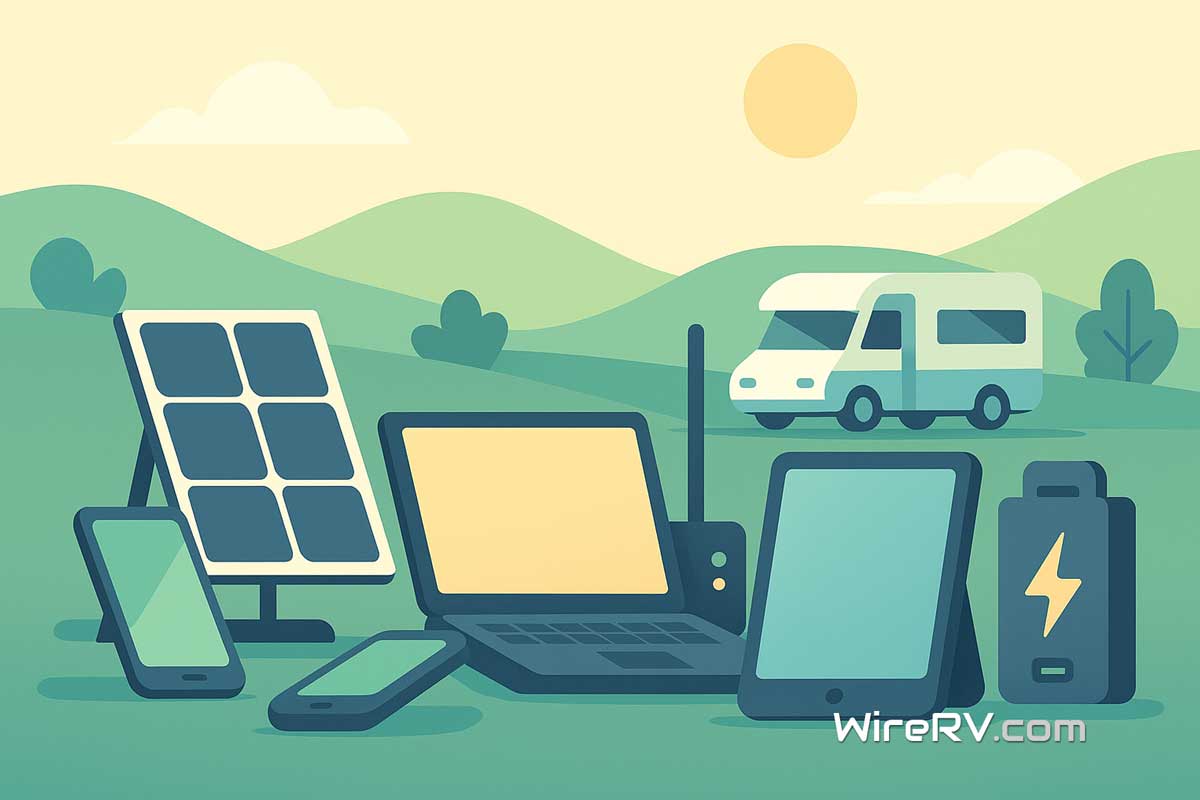
    RV Tech Essentials wired together, featuring devices and power sources in a detailed setup.

    Top 10 RV Tech Essentials for Digital Nomads in 2025

    Let’s dive into the essential tech every digital nomad should carry:

    1. Starlink Internet Kit – RV Tech Essentials 🌐 📡

    Reliable, fast, and finally optimized for RV use — the Starlink Mini Kit keeps you connected just about anywhere. As a result, you’ll no longer need to hunt for coffee shops or suffer through dead zones.

    To protect your setup and keep everything running smoothly, many RVers also use a reliable 30 amp RV surge protector and portable power solution, especially when plugging into campground hookups.

    2. Mobile Router + Cellular Booster 📶 📲

    In addition to Starlink, a 4G/5G mobile router paired with a cell signal booster lets you tap into nearby networks and stay connected when satellite service isn’t an option.

    For example, this setup is especially useful in areas with weak signal, helping you maintain a more stable connection for work, streaming, or navigation while on the road.

    3. Portable Power Station 🔋 ⚡

    From charging laptops to running Wi-Fi gear, a portable power station keeps you powered up off-grid without relying on campground hookups.

    For example, this is especially useful when working remotely, keeping your devices charged, and running essential gear even when you’re parked in more remote locations.

    4. Solar Panel Kit RV Tech Essentials☀️ 🔌

    To extend your off-grid independence, pair your power station with a portable solar panel kit. Not only does it help you recharge while camping off-grid, but it also reduces your reliance on noisy generators.

    For example, this is a simple way to keep your setup running longer when you’re parked in sunny locations and want more flexibility away from hookups.

    5. Laptop Stand + Bluetooth Keyboard 💻 ⌨️

    Comfort equals productivity. Therefore, setting up an ergonomic mobile workstation in your RV or under your awning is a smart move.

    Using a laptop stand paired with a foldable Bluetooth keyboard with touchpad helps improve posture, reduce strain, and make it easier to work comfortably from anywhere.

    6. Noise-Canceling Headphones 🎧 🤫

    In busy campgrounds or shared RV spaces, distractions are everywhere. However, noise-canceling headphones help you stay focused — whether you’re on a Zoom call or just tuning into your favorite playlist.

    For example, they’re especially useful when you need to block out background noise and stay productive, even in more active or crowded environments.

    7. GPS Navigation Tablet or App 🗺️ 📍

    Google Maps is useful — but RV-friendly GPS tools are designed to prevent low-bridge mishaps, weight restrictions, and tricky turns that standard navigation apps might miss.

    For example, using a dedicated RV GPS unit can help you plan safer routes and avoid costly mistakes while traveling with a larger vehicle.

    8. Cloud Backup + External Drive ☁️ 💽 RV Tech Essentials

    No matter where you work, protecting your files is crucial. That’s why combining cloud storage with a rugged external SSD gives you the best of both worlds.

    For example, having a reliable offline backup ensures your files stay safe even without internet access or in unexpected situations on the road.

    For a dependable option, the SanDisk 1TB Extreme Portable SSD is a top choice. It’s fast, compact, and built with IP65 water and dust resistance. This makes it ideal for travel and RV life.

    If you need more space for large files, videos, or full backups, you can also upgrade to the SanDisk 4TB Extreme Portable SSD for significantly more storage without sacrificing speed or durability.

    9. Smart RV Monitoring System 🔐 🌡️

    To stay in control of your setup, smart RV monitoring tools help you track important data and catch potential issues before they become bigger problems.

    For example, using a dedicated battery monitor allows you to see real-time power usage and battery levels. This is especially helpful when camping off-grid or managing limited energy resources.

    10. Streaming Device 📺 🎮

    Once the work’s done, it’s time to relax. With a portable streaming device, every RV becomes your personal entertainment center.

    For example, using a compact streaming device lets you access your favorite shows, movies, and apps on the go. It turns any campsite into a comfortable space to unwind after a long day.

    A simple option like the Amazon Fire TV Stick 4K Plus makes it easy to stream your favorite content anywhere you have a connection.


    Don’t Overlook These Bonus RV Tech Essentials 🔧 🧰

    Surge protectors help protect your gear from unstable power. Cable organizers keep cords neat and easy to manage. A simple paper map is also useful if your tech fails.

    For example, a reliable RV surge protector can help prevent damage when plugging into unfamiliar campground power.

    Even tech-savvy nomads need analog backups now and then. All in all, these extras round out your complete RV Tech Essentials toolkit. Also without overcomplicating your setup.


    Ready to upgrade your digital nomad lifestyle? These RV-ready gadgets and tools are more than luxuries — they’re the backbone of working and living freely on the road.

    For even more, go to WireRV.com

  • DIY Smart RV Triumph: How to Automate Even More

    DIY Smart RV Triumph: How to Automate Even More

    DIY Smart RV: Automate Lights, Cameras, and More 💡📷🚐

    Interior of a cozy DIY Smart RV with smart home devices like a camera, light switch, and tablet on display.

    🚐 Ready to turn your rolling home into a smart one? With the right tools, you can build a DIY Smart RV by automating your RV’s lighting, security, and appliances for convenience, safety, and a serious tech upgrade. for convenience, safety, and a serious tech upgrade. for convenience, safety, and a serious tech upgrade. Whether you’re a weekend camper or full-time digital nomad, smart gear can save power, simplify routines, and give you peace of mind on the road.

    In this guide, we’ll walk you through how to build your own DIY Smart RV — coupled with no electrician required.


    Why Build a DIY Smart RV? 🤖

    • Convenience: Control lights, fans, and also switches from your phone.
    • Security: Keep tabs on your RV with cameras and sensors.
    • Efficiency: Automate devices to save power when boondocking.
    • Customization: Tailor your system to your specific needs.

    Core Devices for Your DIY Smart RV Setup 🔌📱

    1. Smart Light Bulbs or Switches

    Use app-controlled lights or smart switches for interior and exterior lighting. For example, Wyze, Kasa, or Govee offer affordable, easy-to-install solutions. for interior and exterior lighting. Options like Wyze, Kasa, or Govee are affordable and easy to set up.

    2. Smart Plugs

    Control lamps, fans, and even coffee makers remotely or on a schedule. Additionally, TP-Link smart plugs are a great choice for RV power management. or on a schedule. Great for managing power when you’re away from camp.

    3. Smart Cameras

    Install indoor and outdoor cameras to monitor your RV in real time. Options like Blink or Ring offer motion alerts and battery-powered models. to monitor your RV in real time. Look for motion alerts and battery-powered models like Blink or Ring.

    4. RV Wi-Fi Setup

    A reliable network is key. Therefore, pair your smart devices with a mobile router such as the Winegard Connect or use Starlink mini kit for RV for satellite connectivity.. Pair your smart devices with a mobile router and booster or use Starlink for solid connectivity.

    5. Voice Assistant Hub

    Use Alexa+, Google Assistant, or Apple HomeKit to command your RV with voice controls and create automation routines. to command your RV with voice controls and create automation routines.


    ✨ Easy DIY Smart RV Automation Ideas

    • Lights turn on at sunset and off at bedtime.
    • Outdoor camera alerts you when someone approaches your RV.
    • Coffee maker starts brewing when your morning alarm goes off.
    • Fan turns on automatically when the temperature rises.
    • Water pump shuts off when tank levels are low (with smart sensors).

    🧠 Pro Tips for Your DIY Smart RV Setup

    • To start, choose Wi-Fi–based gear over Zigbee/Z-Wave for flexibility.
    • Then, label your devices for easy control in the app.
    • Next, use low-voltage or battery-powered items to save energy.
    • Furthermore, mount devices with adhesive strips to avoid drilling.
    • Finally, secure your router and hubs to prevent shifting during travel.

    🚀 By blending tech with travel, a DIY Smart RV setup helps you feel more at home — no matter where the road leads.

    Follow WireRV for gear reviews, tutorials, and smart upgrades for your mobile lifestyle!