
Category: Work & Remote Life

  • The Truth About RV Cellular Setup That Actually Works
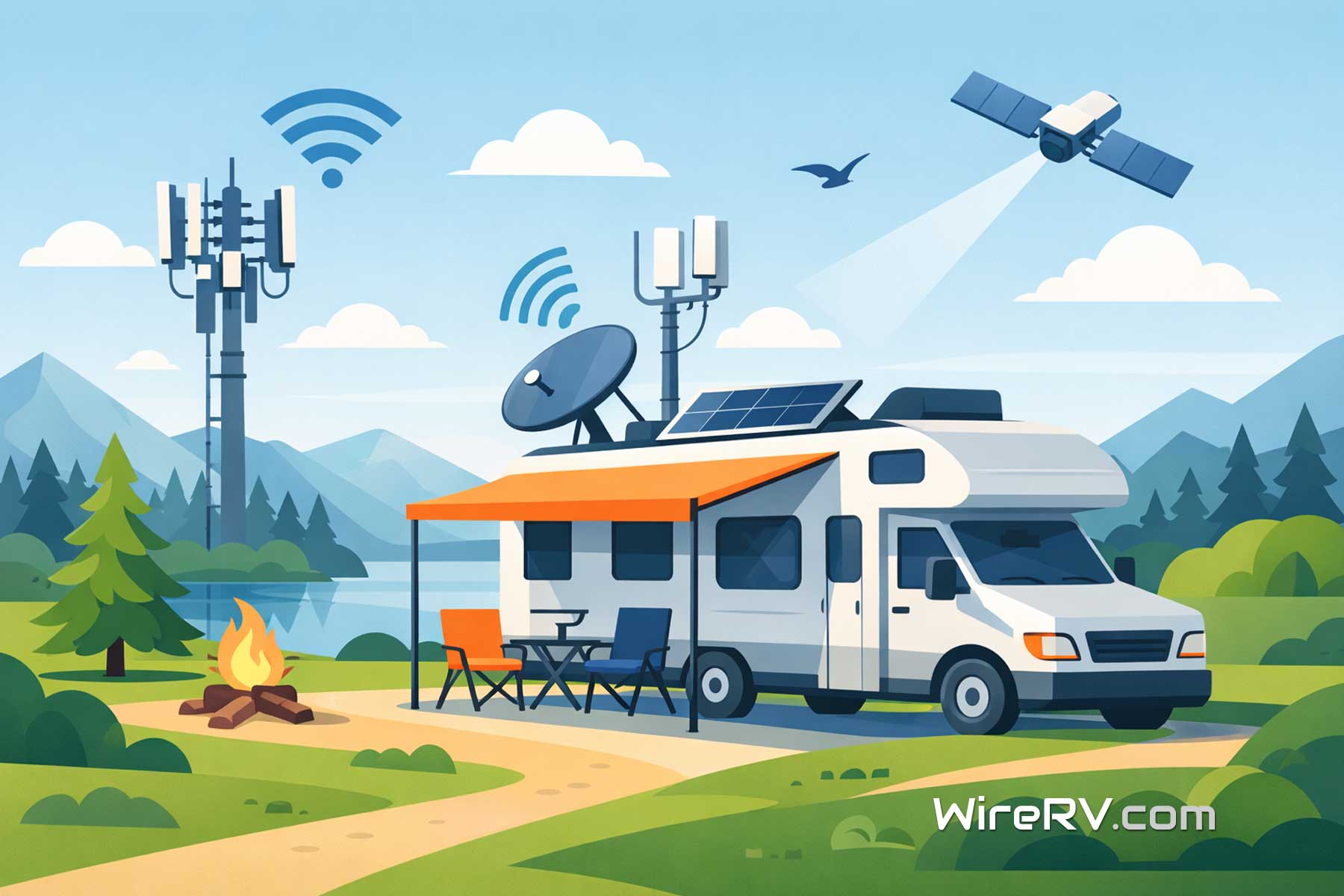
    The Truth About RV Cellular Setup That Actually Works

    RV Cellular Setup for Reliable Internet on the Road ๐Ÿ“ก

    A strong RV Cellular Setup is one of the easiest ways to stay connected with the right setup. You can work, stream, and plan trips without stress. In many places, cellular internet works better than you expect.

    Also, you do not need a complex system. A simple setup can be both reliable and easy to manage. As you travel, you can adjust it without starting over. Because of this, cellular is a great fit for both full-time RVers and weekend trips.


    Hank and Summer reviewing their RV Cellular Setup on a laptop inside their RV.
    Hank and Summer test their RV Cellular Setup to ensure strong, reliable internet on the road ๐Ÿ“ถ๐Ÿš

    What Makes an RV Cellular Setup Actually Work โš™๏ธ

    First, every setup has a few key parts. When these parts work together, your connection improves.

    • Router: This is the brain of your system. A real router works better than a phone hotspot. It handles more devices and keeps speeds stable.
    • Data Plan: Your carrier matters. Coverage changes by location. So, pick a plan that fits where you travel most.
    • Signal Strength: External antennas boost your signal. They help you connect even when towers are far away.
    • WiFi Distribution: Your router connects all your devices. This keeps your phones, laptops, and TVs running smoothly.

    Because of this, you should focus on the full system instead of a basic RV WiFi setup. One upgrade alone will not fix everything. Instead, build a setup where each part supports the others.


    The Best RV Cellular Setup (Simple and Reliable) ๐Ÿงฉ

    Now, letโ€™s build a setup that works in real life.

    Core Setup (What You Need)

    • 5G Cellular Router: Choose a router made for travel. It keeps your connection stable and supports many devices at once.
    • Primary Carrier Plan: Pick a strong network like Verizon, AT&T, or T-Mobile. Your choice should match your travel routes.
    • If you are skipping satellite, this type of setup becomes even more important.
    • External MIMO Antenna: This is a key upgrade. It pulls in a stronger signal and improves speeds in weak areas. MIMO antennas use multiple signals at once to improve performance.

    Optional Add-Ons (When Needed)

    • Signal Booster: Use this in very weak areas. It can help when your signal is barely usable.
    • Secondary Carrier: This helps if your main network fails. It adds flexibility when you travel to new regions.

    In most cases, this setup is enough for work, streaming, and daily use. You can always upgrade later if your needs change.


    Why This RV Cellular Setup Works So Well ๐Ÿ”

    This setup focuses on consistency. Speed matters, but stability matters more.

    For example, antennas often work better than boosters in normal conditions. They pull in cleaner signals and reduce drops. Also, using more than one carrier gives you better coverage across the country.

    As a result, your internet works in more places. You spend less time troubleshooting and more time enjoying your trip.


    Common RV Cellular Setup Mistakes to Avoid โš ๏ธ

    Many RVers make simple mistakes. These can hurt performance.

    • Using only one carrier everywhere
    • Relying on a phone hotspot as your main solution
    • Buying a booster before improving your antenna setup or understanding signal strength
    • Expecting perfect service in remote areas

    Instead, build a balanced system. Start with a strong base. Then add upgrades only when needed. Small changes can make a big difference.


    When to Add a Backup Internet Option ๐Ÿ”

    Sometimes you need a backup. This is true if your work depends on internet.

    For example, a second carrier can keep you online when signals change. You can also switch plans if one network slows down.

    Because of this, many RVers add a backup after they test their main setup. It gives peace of mind on longer trips.


    RV Cellular Setup vs Other Internet Options ๐Ÿ“Š

    Cellular internet is simple and flexible. It works well in many places, especially near towns and highways.

    However, other options like satellite systems can help in remote areas. For example, satellite systems can reach places with no cell service. Still, they often cost more and require extra setup.

    So, for most RVers, cellular is the best starting point.


    Final Thoughts on RV Cellular Setup ๐ŸŽฏ

    A good RV Cellular Setup does not need to be complex. Simple systems often work best.

    With the right router, carrier, and antenna, you can stay connected in most places. Over time, you can improve your setup as your needs grow.

    In the end, keep it simple. Test what works. Then adjust as needed. This approach helps you stay connected without overthinking your setup. ๐Ÿšโœจ

  • RV Internet Without Starlink: The Truth About What You Need

    RV Internet Without Starlink: The Truth About What You Need

    Staying connected on the road is easier than ever. However, not everyone wants satellite. If you are looking for RV Internet Without Starlink, you have more than enough options to stay online. Whether you work remotely, stream shows, or check in with family, you can build a setup that fits your travel style.

    In fact, many RVers rely on non-satellite solutions every day. So, letโ€™s break down what works, what to avoid, and how to build a setup that actually fits your needs.


    RV Internet Without Starlink setup with Hank and Summer using a laptop and cellular router inside their RV.
    Hank and Summer use a simple RV Internet Without Starlink setup with a laptop and cellular router to stay connected on the road ๐Ÿš๐Ÿ“ก

    ๐Ÿ“ก Cellular Internet for RV Internet Without Starlink

    First, cellular internet is the backbone of most RV setups. It uses networks from providers like Verizon, AT&T, and T-Mobile. However, coverage varies by location, so it helps to check availability before you travel. Because these networks already cover much of the country, they are often the easiest way to get started.

    โœ… Why it works

    • Strong coverage in cities and along highways ๐Ÿ›ฃ๏ธ
    • Affordable startup cost compared to satellite
    • Easy to use with hotspots or routers

    โŒ What to watch for

    • Slower speeds in remote areas
    • Internet performance can vary depending on infrastructure and network congestion
    • Signal can vary depending on terrain, weather, and tower distance. In many cases, cell signal boosters can help improve weak connections.

    ๐Ÿ‘‰ Therefore, if you stay near towns or travel frequently, cellular is often the best starting point. It gives you a solid balance of cost, speed, and convenience.


    ๐Ÿ“ถ Mobile Hotspots: Simple and Effective RV Internet Without Starlink

    Next, mobile hotspots are one of the easiest ways to get online. In many cases, you can be connected in just a few minutes.

    You can use:

    • A dedicated hotspot device
    • Your phoneโ€™s hotspot feature

    ๐Ÿ‘ Benefits

    • Quick setup with minimal effort
    • Portable and flexible
    • Works well for light to moderate use

    โš ๏ธ Limitations

    • Data caps can slow you down over time
    • Performance depends on signal strength

    ๐Ÿ‘‰ As a result, hotspots are perfect for beginners or casual internet use. However, if your needs grow, you may want to upgrade your setup. A more complete RV WiFi setup can improve performance and reliability.


    ๐Ÿ“ก Routers and Boosters for RV Internet Without Starlink

    If you want stronger and more reliable performance, consider adding a router or signal booster. These tools help you get the most out of your cellular connection.

    ๐Ÿ”ง Routers

    Routers allow you to:

    • Combine multiple connections
    • Create a stable WiFi network inside your RV
    • Connect several devices at once

    ๐Ÿ“ถ Boosters

    Boosters help by:

    • Improving weak cellular signals
    • Pulling in signal from farther away towers
    • Making slow connections more usable

    ๐Ÿ‘‰ Consequently, these tools can make a big difference if you travel in mixed locations. These essential RV tech tools can make a big difference if you travel in mixed locations. They are especially helpful in rural areas where signal strength can be inconsistent.


    ๐Ÿง  Choosing the Right Setup for RV Internet Without Starlink

    Now, the key is choosing what fits your travel style. Not every RVer needs the same level of connectivity. So, it helps to think about how and where you travel. If you are still comparing options, see our Starlink vs Cellular RV comparison.

    Choose Cellular + Hotspot if you:

    • Stay near populated areas ๐Ÿ•๏ธ
    • Want a simple, affordable setup
    • Use the internet for browsing, email, or light streaming

    Add Boosters or Routers if you:

    • Travel through weak signal areas
    • Need more reliable performance for work or video calls

    Consider Multiple Options if you:

    • Work online full-time ๐Ÿ’ป
    • Want backup internet for peace of mind
    • Travel through both cities and remote locations

    ๐Ÿ‘‰ Ultimately, no single solution works everywhere. So, flexibility is the real advantage. Many RVers start simple and improve their setup over time.


    ๐Ÿ”— Common Mistakes to Avoid

    Even though setting up internet in an RV can be simple, a few common mistakes can cause frustration. Many of these come from common first-time RV setup mistakes.

    • Relying on one connection only
    • Ignoring data limits
    • Skipping signal testing before settling in

    ๐Ÿ‘‰ Instead, test your connection when you arrive. Also, keep a backup option if possible. This small step can save you a lot of stress.


    ๐Ÿš Final Thoughts on RV Internet Without Starlink

    In the end, RV Internet Without Starlink is not only possible, it is practical for most travelers. With the right mix of cellular tools, hotspots, and optional upgrades, you can stay connected in a wide range of locations.

    So, start simple. Then, improve your setup as your needs grow. Because when your internet works reliably, RV life becomes smoother, easier, and far more enjoyable, especially for those exploring full-time RV living. โœจ


    Pro Tip: Many RVers eventually combine multiple options for the best results. Start with one, test it, and build from there ๐Ÿ‘

  • Starlink vs Cellular RV: Know the Truth About Options

    Starlink vs Cellular RV: Know the Truth About Options

    Staying connected on the road is no longer optional. A solid RV WiFi setup makes all the difference. Whether you’re working remotely, streaming your favorite shows, or keeping in touch with family, reliable internet matters. However, when it comes to starlink vs cellular rv, many RVers ask the same question: Do you actually need Starlink? ๐Ÿค”

    Overall, both options can work incredibly well. However, they serve different travel styles, budgets, and expectations. Therefore, understanding those differences helps you avoid overspending. It also helps you choose a setup that truly fits your life on the road.

    Starlink vs Cellular RV setup comparison with Hank and Summer testing internet options inside their RV.
    Hank and Summer compare Starlink vs Cellular RV internet options to find the most reliable connection on the road ๐Ÿš๐Ÿ“ก

    ๐Ÿš€ Starlink for RV: Fast, Flexible, and Expanding

    Starlink has changed whatโ€™s possible for RV internet. According to Starlink, satellite coverage now reaches remote locations. Satellite coverage now reaches remote locations. As a result, RVers can stay connected in places that once had no signal at all.

    โœ… Pros of Starlink

    • High speeds in many locations, ideal for video calls and streaming ๐ŸŽฅ
    • Works off-grid, far from traditional infrastructure
    • Coverage is expanding, reaching more areas over time

    โŒ Cons of Starlink

    • Requires a clear view of the sky, which can be difficult in wooded areas ๐ŸŒฒ
    • Higher upfront cost than most cellular options
    • Setup can take more effort, especially when considering Starlink mounting options

    ๐Ÿ‘‰ Therefore, if you enjoy boondocking, national forests, or remote camping, Starlink can be a powerful primary internet solution.

    ๐Ÿ“ก Cellular Internet for RV: Reliable and Practical

    On the other hand, cellular internet relies on networks from providers like Verizon, AT&T, and T-Mobile, with coverage varying based on location. As a result, for many RVers, this is the most practical and widely available option.

    โœ… Pros of Cellular

    • Strong coverage in cities, towns, and along highways ๐Ÿ›ฃ๏ธ
    • Lower upfront cost than satellite systems
    • Works with hotspots and routers

    โŒ Cons of Cellular

    • Slower speeds in rural or congested areas
    • Signal strength varies depending on terrain and tower distance
    • Tools like cell signal boosters can help improve weak connections
    • May require extra setup in weak areas

    ๐Ÿ‘‰ Consequently, for RVers staying near populated areas or moving frequently, cellular internet is often more than enough.

    โš–๏ธ Starlink vs Cellular RV: Key Differences

    When comparing starlink vs cellular rv, the right choice depends on how you travel and where you spend most of your time.

    • Speed: Starlink can outperform cellular in remote areas; however, cellular is steady in populated regions.
    • Coverage: Starlink works best off-grid, whereas cellular shines near infrastructure.
    • Ease of Use: Cellular is typically simpler to use day-to-day.
    • Cost: In general, cellular has a lower barrier to entry.

    Ultimately, these differences matter more than raw speed alone. A fast connection is only useful if it works where you are parked.

    ๐Ÿง  Starlink vs Cellular RV: Do You Even Need Starlink?

    So, here is the honest breakdown ๐Ÿ‘‡

    Choose Starlink if you:

    • Camp off-grid frequently ๐ŸŒ„
    • Need reliable internet in remote areas
    • Work online and cannot afford downtime. Especially if you rely on dependable RV tech essentials

    Choose Cellular if you:

    • Stay near campgrounds, towns, or highways ๐Ÿ•๏ธ
    • Want a simple and affordable setup
    • Prefer quick, low-effort connectivity

    Consider Both if you:

    • Want maximum flexibility and reliability ๐Ÿ”
    • Travel through a mix of urban and remote locations

    In many cases, RVers eventually combine both options over time. You can use each where it performs best.

    ๐Ÿ”— Starlink vs Cellular RV: Building the Right Approach

    Instead of thinking in terms of one perfect solution, it helps to think in terms of coverage and consistency. For example, no single option works perfectly everywhere. Therefore, the goal is to choose the one that fits your current travel style, and then adjust as needed.

    ๐Ÿ‘‰ Additionally, you can always expand your setup later as your needs grow.

    ๐Ÿš Final Thoughts on Starlink vs Cellular RV

    In the end, when it comes to starlink vs cellular rv, there is no one-size-fits-all answer. Instead, the best choice depends on where you travel. Also, how often you move and how important internet is to your daily routine, especially for those exploring full-time RV living.

    So, start with what fits your needs today. Then, adjust as you gain experience on the road. Because when your internet works reliably, everything else about RV life feels easier, smoother, and far more enjoyable. โœจ

  • RV Travel Weather Planning: How to Make Smart Decisions

    RV Travel Weather Planning: How to Make Smart Decisions

    Most RV trips do not go wrong because of bad planning. Instead, they fall apart because of unexpected weather ๐ŸŒฆ๏ธ. That is why rv travel weather planning matters more than most people realize. When you understand how weather affects your trip, you can avoid discomfort, delays, and even safety risks.

    For example, it helps to check reliable forecasts from the National Weather Service before heading out. You can also use a dedicated RV GPS or weather-aware navigation device to stay updated while youโ€™re on the road.

    In this guide, you will learn how to plan smarter, adjust quickly, and enjoy your trip no matter what the forecast brings.


    Hank and Summer using a laptop and maps for RV travel weather planning inside their RV.
    Planning ahead makes every RV trip smoother. Hank and Summer use maps, weather tools, and smart decisions to stay comfortable on the road. ๐Ÿš๐ŸŒค๏ธ

    Why RV Travel Weather Planning Matters ๐Ÿš

    First, weather affects almost every part of your trip. From driving conditions to campsite comfort, it plays a bigger role than your route or schedule.

    For example, rain can turn a beautiful campsite into a muddy mess. Meanwhile, heat can make your RV uncomfortable fast. As a result, even a well-planned trip can feel stressful. Having the right gear on hand can make a big difference when conditions change unexpectedly.

    Because of this, rv travel weather planning helps you stay flexible and prepared.


    Weather Factors That Can Make or Break Your RV Trip ๐ŸŒ

    ๐ŸŒง๏ธ Rain and Wet Conditions

    Rain may seem minor. However, it can quickly impact your setup and daily plans.

    Wet ground makes leveling harder. In addition, outdoor cooking and relaxing become limited. Therefore, it is important to check for extended rain before you arrive.

    Using RV leveling blocks can make setup much easier on uneven or muddy ground.

    A durable outdoor RV rug can also help keep your campsite cleaner and more comfortable in wet conditions.


    โ˜€๏ธ Heat and Sun Exposure

    High temperatures can make your RV uncomfortable. In fact, your fridge and cooling systems work much harder in the heat.

    Improving airflow with a high-quality RV vent fan can significantly reduce heat buildup inside your rig.

    Because of this, plan travel days early in the morning. Also, choose campsites with shade whenever possible.

    Reflective window covers can also help block direct sunlight and keep interior temperatures more manageable.

    You can also review extreme heat safety tips from the Centers for Disease Control and Prevention to better understand how heat affects travel.


    ๐ŸŒฌ๏ธ Wind and Driving Conditions

    Wind is often overlooked. However, it can be one of the most dangerous conditions for RV travel.

    Strong crosswinds affect steering and stability. As a result, driving becomes tiring and sometimes unsafe.

    When parked, using wheel chocks can help keep your RV stable in windy conditions. In more extreme conditions, upgrading your towing setup with sway control can improve handling and reduce driver fatigue.

    It helps to monitor wind conditions using resources like National Oceanic and Atmospheric Administration before driving.

    For more details, see our guide on RV crosswind driving.


    โ„๏ธ Cold Weather and Freezing Temps

    Cold weather introduces a different set of challenges. Pipes can freeze, and systems may stop working properly.

    Using a heated RV water hose can help prevent freezing and keep your water system running in cold conditions. Additional insulation can also help protect exposed pipes in colder temperatures.

    Even though this article focuses on general planning, you should review our freezing weather guide for deeper preparation.


    How to Plan RV Trips Around Weather ๐Ÿงญ

    Now that you understand the risks, you can plan smarter.

    First, check the forecast several days before your trip. Then, check again the day before departure. Weather changes quickly, so staying updated is key.

    Next, build flexibility into your route. For example, allow extra time between stops. This way, you can adjust if conditions change.

    An RV GPS can also help you plan safer routes based on road conditions and vehicle size.

    Finally, pack for multiple conditions. Even if the forecast looks clear, unexpected weather can still happen.


    Match Your Destination to the Season ๐ŸŒ„

    In many cases, where you go matters just as much as when you go.

    For instance, some national parks are perfect in spring but too hot in summer. On the other hand, mountain destinations are ideal during warmer months.

    As temperatures warm up, itโ€™s also a good time to review your RV dewinterizing checklist before your first trip of the season.

    Because of this, rv travel weather planning should always include seasonal destination choices.

    You can also check seasonal conditions directly through the National Park Service before choosing your destination.

    For inspiration, explore our national parks RV travel guide.


    Quick RV Travel Weather Planning Checklist โœ”๏ธ

    Before your trip, take a few minutes to review these steps:

    • Check the forecast 3 to 5 days ahead
    • Review conditions again before departure
    • Plan flexible travel times
    • Pack for rain, heat, and wind
    • Adjust destinations if needed

    Having the right gear on hand can make it much easier to adapt to changing weather conditions on the road.


    Final Thoughts on RV Travel Weather Planning ๐ŸŒฆ๏ธ

    In the end, the best RV trips are not just well planned. They are well adapted.

    By focusing on rv travel weather planning, you give yourself the ability to adjust, stay comfortable, and enjoy the journey.

    So before your next trip, take a few extra minutes to check the forecast and plan accordingly. It can make the difference between a frustrating trip and an unforgettable one ๐Ÿšโœจ

  • See The Truth About My RV Solar Workstation Setup
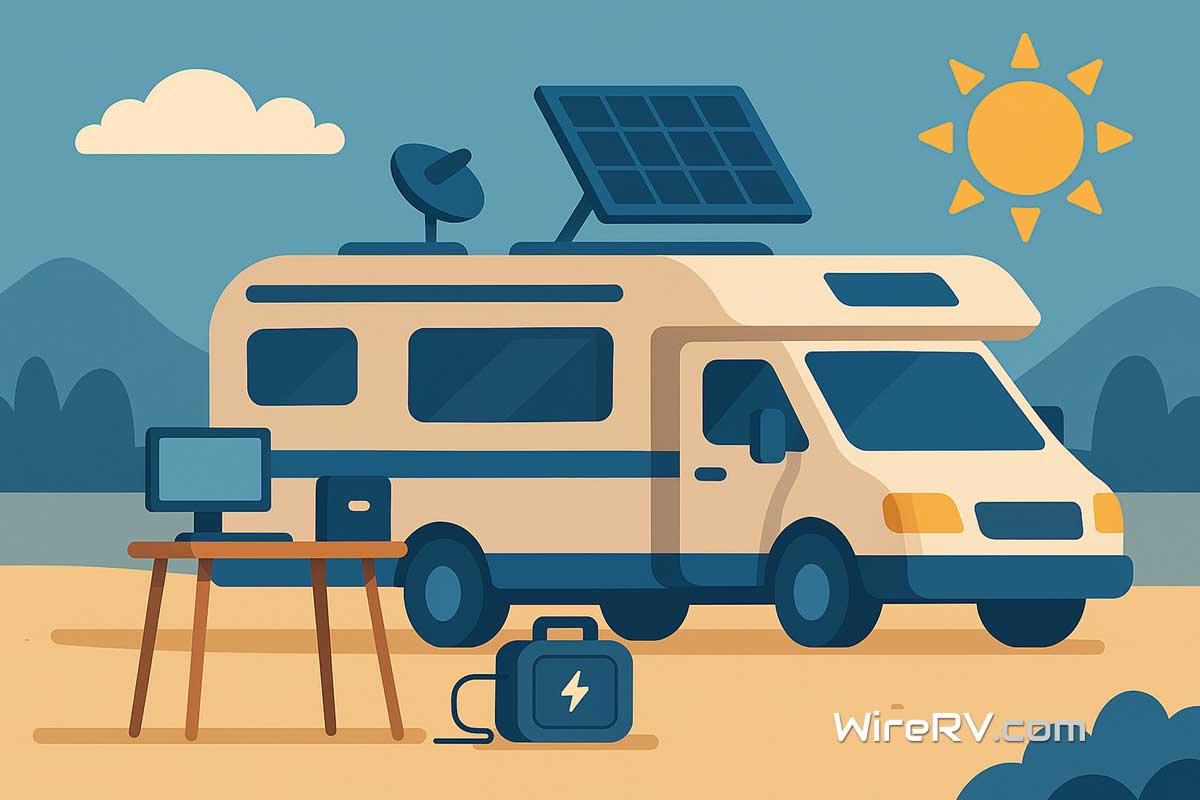
    See The Truth About My RV Solar Workstation Setup

    How I Power My RV Workstation with Solar + Battery Bank

    Discover the ultimate RV Solar Workstation for remote work on the road. Learn how I built a reliable, off-grid setup using solar panels and a battery bank that keeps my gear running no matter where I park. ๐Ÿ”‹๐ŸŒž

    If you’re a digital nomad like me, you know the struggle of finding consistent power on the road. After plenty of trial and error, I finally found a combination. One of RV solar panels, charge controllers, and battery storage that powers my laptop, monitor, router, and camera gear day and night.

    For more smart RV tips, visit WireRV.com โ€” your further tech-savvy travel companion. ๐Ÿ› ๏ธ๐Ÿ’ก


    Interior view of an RV solar workstation with battery bank, solar monitor, and tech gear in a cozy, semi-realistic style.

    ๐ŸŒŒ The Heart of My RV Solar Workstation: Solar Panels

    I installed 200 watts of monocrystalline solar panels on my RV roof using tilt mounts for better sun exposure. This gives me a steady input even during cloudy days. For portable boosts, I also carry a foldable 100W solar panel.

    ๐Ÿš— Mounting and Wiring Basics

    I used a simple, low-profile mounting kit and ran wires through a roof gland to my charge controller. ๐Ÿ”ง The wiring is fused and grounded for safety and long-term reliability.

    ๐Ÿ”‹ Choosing a Battery Bank

    I opted for two 100Ah LiFePO4 batteries because of their longer life, deeper discharge, and fast charging. ๐Ÿ”Œ They sit snug in a ventilated storage box near the inverter.

    ๐Ÿ› ๏ธ Charge Controller and Inverter

    My setup uses a Victron SmartSolar MPPT charge controller to stay efficient, along with a 1000W pure sine wave inverter for AC devices. I also added a Bluetooth battery monitor to track everything from my phone ๐Ÿ“ฑ.

    ๐Ÿš€ Real-World RV Solar Workstation Performance

    I work 6โ€“8 hours daily using a laptop, second monitor, LED lights, and Starlink. This solar + battery setup keeps up easily in sunny conditions. โ˜€๏ธ During cloudy weather or winter months, I use shore power or a portable generator as backup.


    Whether you’re full-timing or weekend camping, a RV Solar Workstation offers freedom and peace of mind. With the right gear and a little planning, you can stay productive off-grid for days. ๐Ÿ’ผ๐Ÿ”†

    For more smart RV tips, visit WireRV.com โ€” your tech-savvy travel companion. ๐Ÿ› ๏ธ๐Ÿ’ก

  • Best RV Tech Essentials for Remote Work and Luxury
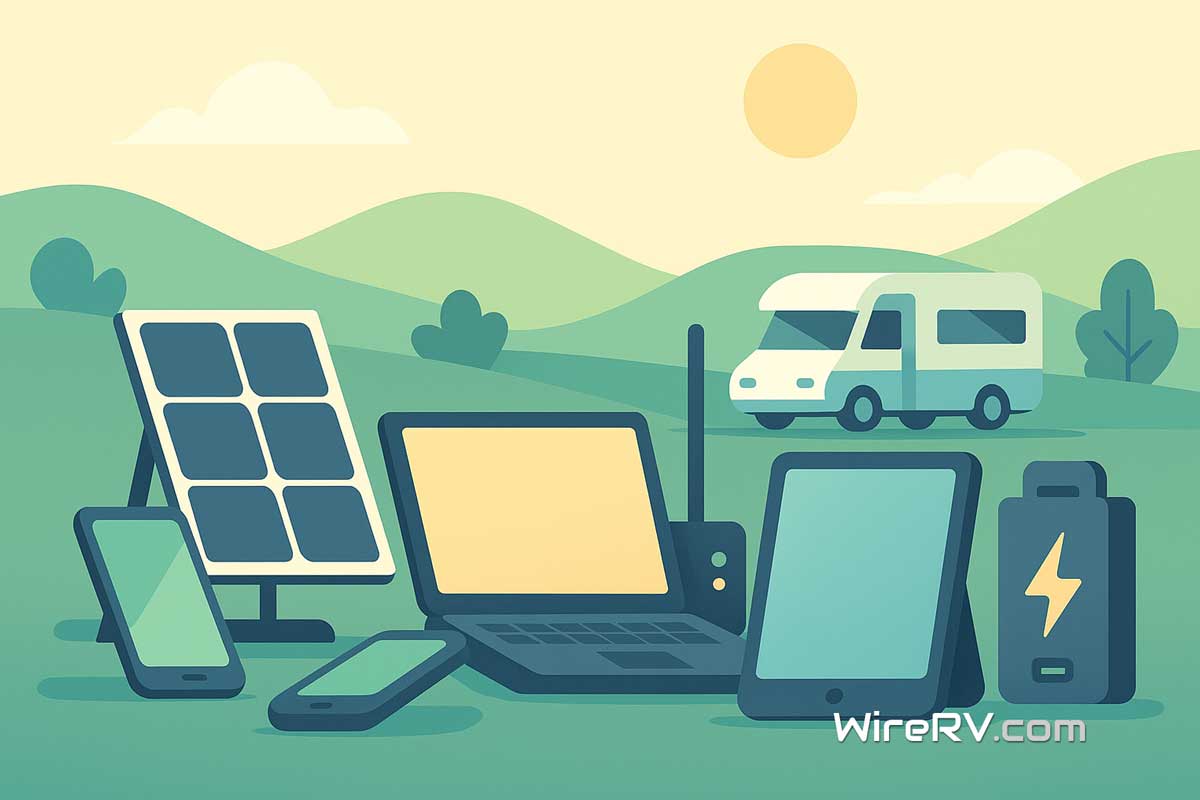
    Best RV Tech Essentials for Remote Work and Luxury

    Top 10 RV Tech Essentials for Digital Nomads ๐Ÿš ๐Ÿ’ป

    Staying connected and productive while living life on the road isnโ€™t always easy. However, the right RV Tech Essentials make a world of difference. Fortunately, with the right tools in hand, you can navigate your journey smoothly. Whether youโ€™re working from a mountain vista or streaming from a quiet campground, these must-have tools will keep your mobile life smooth, secure, and seriously fun.


    RV Tech Essentials wired together, featuring devices and power sources in a detailed setup.

    Top 10 RV Tech Essentials for Digital Nomads in 2025

    Letโ€™s dive into the essential tech every digital nomad should carry:

    1. Starlink Internet Kit – RV Tech Essentials ๐ŸŒ ๐Ÿ“ก

    Reliable, fast, and finally optimized for RV use โ€” the Starlink Mini Kit keeps you connected just about anywhere. As a result, youโ€™ll no longer need to hunt for coffee shops or suffer through dead zones.

    To protect your setup and keep everything running smoothly, many RVers also use a reliable 30 amp RV surge protector and portable power solution, especially when plugging into campground hookups.

    2. Mobile Router + Cellular Booster ๐Ÿ“ถ ๐Ÿ“ฒ

    In addition to Starlink, a 4G/5G mobile router paired with a cell signal booster lets you tap into nearby networks and stay connected when satellite service isnโ€™t an option.

    For example, this setup is especially useful in areas with weak signal, helping you maintain a more stable connection for work, streaming, or navigation while on the road.

    3. Portable Power Station ๐Ÿ”‹ โšก

    From charging laptops to running Wi-Fi gear, a portable power station keeps you powered up off-grid without relying on campground hookups.

    For example, this is especially useful when working remotely, keeping your devices charged, and running essential gear even when youโ€™re parked in more remote locations.

    4. Solar Panel Kit RV Tech Essentialsโ˜€๏ธ ๐Ÿ”Œ

    To extend your off-grid independence, pair your power station with a portable solar panel kit. Not only does it help you recharge while camping off-grid, but it also reduces your reliance on noisy generators.

    For example, this is a simple way to keep your setup running longer when youโ€™re parked in sunny locations and want more flexibility away from hookups.

    5. Laptop Stand + Bluetooth Keyboard ๐Ÿ’ป โŒจ๏ธ

    Comfort equals productivity. Therefore, setting up an ergonomic mobile workstation in your RV or under your awning is a smart move.

    Using a laptop stand paired with a foldable Bluetooth keyboard with touchpad helps improve posture, reduce strain, and make it easier to work comfortably from anywhere.

    6. Noise-Canceling Headphones ๐ŸŽง ๐Ÿคซ

    In busy campgrounds or shared RV spaces, distractions are everywhere. However, noise-canceling headphones help you stay focused โ€” whether you’re on a Zoom call or just tuning into your favorite playlist.

    For example, theyโ€™re especially useful when you need to block out background noise and stay productive, even in more active or crowded environments.

    7. GPS Navigation Tablet or App ๐Ÿ—บ๏ธ ๐Ÿ“

    Google Maps is useful โ€” but RV-friendly GPS tools are designed to prevent low-bridge mishaps, weight restrictions, and tricky turns that standard navigation apps might miss.

    For example, using a dedicated RV GPS unit can help you plan safer routes and avoid costly mistakes while traveling with a larger vehicle.

    8. Cloud Backup + External Drive โ˜๏ธ ๐Ÿ’ฝ RV Tech Essentials

    No matter where you work, protecting your files is crucial. Thatโ€™s why combining cloud storage with a rugged external SSD gives you the best of both worlds.

    For example, having a reliable offline backup ensures your files stay safe even without internet access or in unexpected situations on the road.

    For a dependable option, the SanDisk 1TB Extreme Portable SSD is a top choice. Itโ€™s fast, compact, and built with IP65 water and dust resistance. This makes it ideal for travel and RV life.

    If you need more space for large files, videos, or full backups, you can also upgrade to the SanDisk 4TB Extreme Portable SSD for significantly more storage without sacrificing speed or durability.

    9. Smart RV Monitoring System ๐Ÿ” ๐ŸŒก๏ธ

    To stay in control of your setup, smart RV monitoring tools help you track important data and catch potential issues before they become bigger problems.

    For example, using a dedicated battery monitor allows you to see real-time power usage and battery levels. This is especially helpful when camping off-grid or managing limited energy resources.

    10. Streaming Device ๐Ÿ“บ ๐ŸŽฎ

    Once the workโ€™s done, itโ€™s time to relax. With a portable streaming device, every RV becomes your personal entertainment center.

    For example, using a compact streaming device lets you access your favorite shows, movies, and apps on the go. It turns any campsite into a comfortable space to unwind after a long day.

    A simple option like the Amazon Fire TV Stick 4K Plus makes it easy to stream your favorite content anywhere you have a connection.


    Donโ€™t Overlook These Bonus RV Tech Essentials ๐Ÿ”ง ๐Ÿงฐ

    Surge protectors help protect your gear from unstable power. Cable organizers keep cords neat and easy to manage. A simple paper map is also useful if your tech fails.

    For example, a reliable RV surge protector can help prevent damage when plugging into unfamiliar campground power.

    Even tech-savvy nomads need analog backups now and then. All in all, these extras round out your complete RV Tech Essentials toolkit. Also without overcomplicating your setup.


    Ready to upgrade your digital nomad lifestyle? These RV-ready gadgets and tools are more than luxuries โ€” theyโ€™re the backbone of working and living freely on the road.

    For even more, go to WireRV.com

  • Soundproof Your RV: How to Make Focus Essential
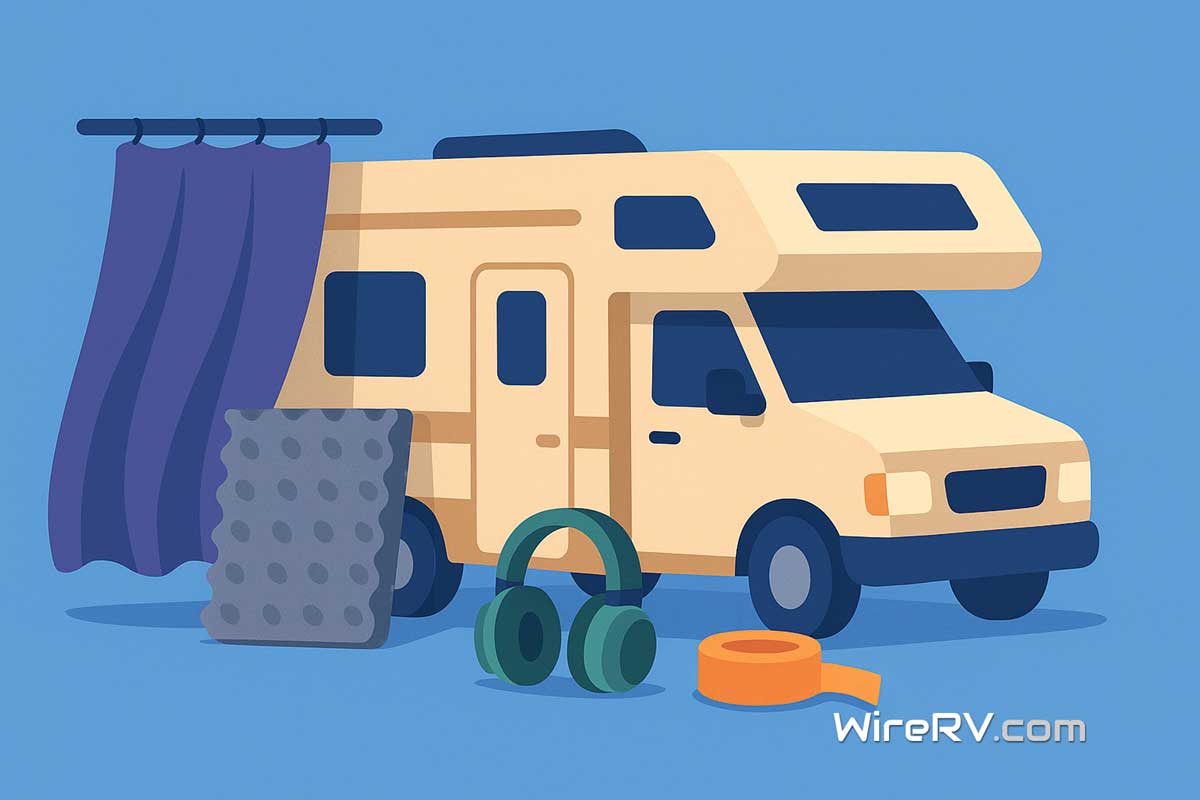
    Soundproof Your RV: How to Make Focus Essential

    How to Soundproof Your RV for Video Calls & Focus ๐ŸŽง ๐Ÿš

    Whether you’re working remotely or just need quiet time to focus, RV life can get noisy. Between campground neighbors, engine hums, barking dogs, and gusty winds, holding a video call or concentrating on deep work isnโ€™t always easy. Fortunately, there are also simple soundproofing techniques that can transform your rolling home into a more peaceful workspace. Thatโ€™s why itโ€™s so important to Soundproof Your RV effectively โ€” especially if you’re aiming for professional-quality video calls or distraction-free focus sessions.

    What’s more, in this guide, you’ll learn how to Soundproof Your RV using easy, affordable strategies. From insulation upgrades to clever DIY tricks. So, letโ€™s get started! ๐Ÿ› ๏ธ๐Ÿ“ž


    Interior view of an RV showing items used to Soundproof Your RV, including curtains, foam panels, and rugs in a cozy, animated style.

    1. Block Exterior Noise with RV Window Channel Insert to help Soundproof Your RV๐ŸชŸ ๐Ÿš

    Firstly, if your RV windows rattle or let in noise, worn-out channels might be the culprit. Replace them with a heavy-duty window channel insert like this one from RV Designer. It cushions the glass, reducing vibration and sealing out sound. ๐Ÿงฐ ๐Ÿ”‡
    Bonus: It also helps block dust and water for a quieter, cleaner ride.
    ๐Ÿ”ง Product: RV Designer E469 Heavy Window Channel Insert

    2. Hang Noise-Reducing Curtains Near Work Areas ๐Ÿงต ๐ŸชŸ

    Even in small RVs, sound echoes off hard surfaces. So, these NICETOWN thermal insulated curtains help absorb sound and soften the space visually too. Hang them near your workstation or across open areas to create cozy, quiet zones. ๐ŸŽง ๐Ÿ›‹๏ธ
    Bonus: They also block light โ€” ideal if youโ€™re working late or sleeping in.
    ๐Ÿ”ง Product: NICETOWN Soundproof Short Curtains (2 Panels)

    3. Add Acoustic Panels to Quiet Wall Sections can Soundproof Your RV๐ŸŽค ๐Ÿ“

    Hard RV walls bounce sound around, especially in tight quarters. Indeed, these acoustic foam panels help absorb mid and high-frequency noise, creating a calmer space for video calls or focused work. Also, line a few behind your desk or bed for a big difference. ๐Ÿ”‡
    Bonus: They’re lightweight and easy to cut or mount with adhesive strips.
    ๐Ÿ”ง Product: Fstop Labs Acoustic Foam Panels โ€“ 12 Pack

    4. Soften Footfalls with EVA Foam Padding Underfoot helps Soundproof Your RV๐Ÿšถโ€โ™‚๏ธ ๐Ÿ”‡

    Footsteps and shifting gear can echo through an RV โ€” especially on vinyl or wood floors. This EVA foam traction mat adds a layer of sound-absorbing cushion while improving grip. Trim it to fit under rugs, in high-traffic zones, or near your workstation. ๐Ÿงฉ
    Bonus: Itโ€™s also waterproof, durable, and easy to wipe clean.
    ๐Ÿ”ง Product: EVA Foam Traction Mat โ€“ Trimmable Flooring Padding

    5. Block Sound & Light with Blackout Fabric Panels to Soundproof Your RV๐ŸชŸ ๐Ÿ–ค

    Thin RV walls and windows can leak both noise and sunlight. This blackout fabric panel creates a thicker barrier for quiet and privacy. Attach it with Velcro or magnets over entry doors or bunk windows to create a focused workspace. ๐Ÿงต ๐Ÿ”•
    Bonus: It also boosts insulation and reduces glare on screens.
    ๐Ÿ”ง Product: Window Blackout Fabric Panel โ€“ 26″x56″

    6. Use a White Noise Machine to Mask Distractions and Soundproof Your RV๐Ÿ”Š ๐Ÿ˜ด

    Sometimes blocking noise isnโ€™t enough โ€” you need to replace it. This compact white noise machine from Magicteam plays 20 soothing sounds that help drown out road noise, campground chatter, or even your own AC unit. Ideal for work or sleep. ๐Ÿ’ค
    Bonus: It features memory function, 32 volume levels, and auto-off timers โ€” all in a travel-friendly size.
    ๐Ÿ”ง Product: Magicteam White Noise Machine โ€“ 20 Soothing Sounds

    7. Line Cabinets and Floors with Sound Deadening Mats to help Soundproof Your RV ๐Ÿš ๐Ÿ”‡

    Interior panels and storage compartments can act like echo chambers. These Siless sound deadening mats add mass and absorb vibration, especially useful under cabinets, drawers, or floorboards. Peel-and-stick backing makes installation easy. ๐Ÿ› ๏ธ
    Bonus: Also reduces road noise and keeps rattles in check during travel.
    ๐Ÿ”ง Product: Siless 80 mil Sound Deadening Mat โ€“ 36 sqft

    8. Wear Noise-Cancelling Headphones for Instant Focus to Soundproof Your RV๐ŸŽง ๐Ÿง 

    When you need to concentrate fast, active noise-cancelling headphones are your best friend. These Soundcore Anker Space One headphones block ambient RV noise and deliver crisp, immersive audio โ€” perfect for calls or deep work. ๐Ÿ“ž๐Ÿ’ป
    Bonus: Theyโ€™re wireless, lightweight, and last up to 40 hours on a single charge.
    ๐Ÿ”ง Product: Soundcore by Anker Space One Noise Cancelling Headphones


    Conclusion to Soundproof Your RV

    Finally, sometimes the best solution is smart positioning. Avoid noisy areas like highways, dumpsters, and playgrounds โ€” and park nose-in to block sounds near your workspace. ๐Ÿ›ฃ๏ธ ๐Ÿšซ


    With a few affordable upgrades and smart positioning, you can turn your RV into a mobile office thatโ€™s quiet, calm, and call-ready. In short, these simple steps will help you Soundproof Your RV effectively and affordably. โœ… ๐Ÿ› ๏ธ

    Need help picking soundproofing gear? Stay tuned to WireRV for product reviews and tech tips for remote work on the road. ๐Ÿ“ก ๐Ÿงฐ

  • RV Laptop Mounts That Will Make Remote Work Better
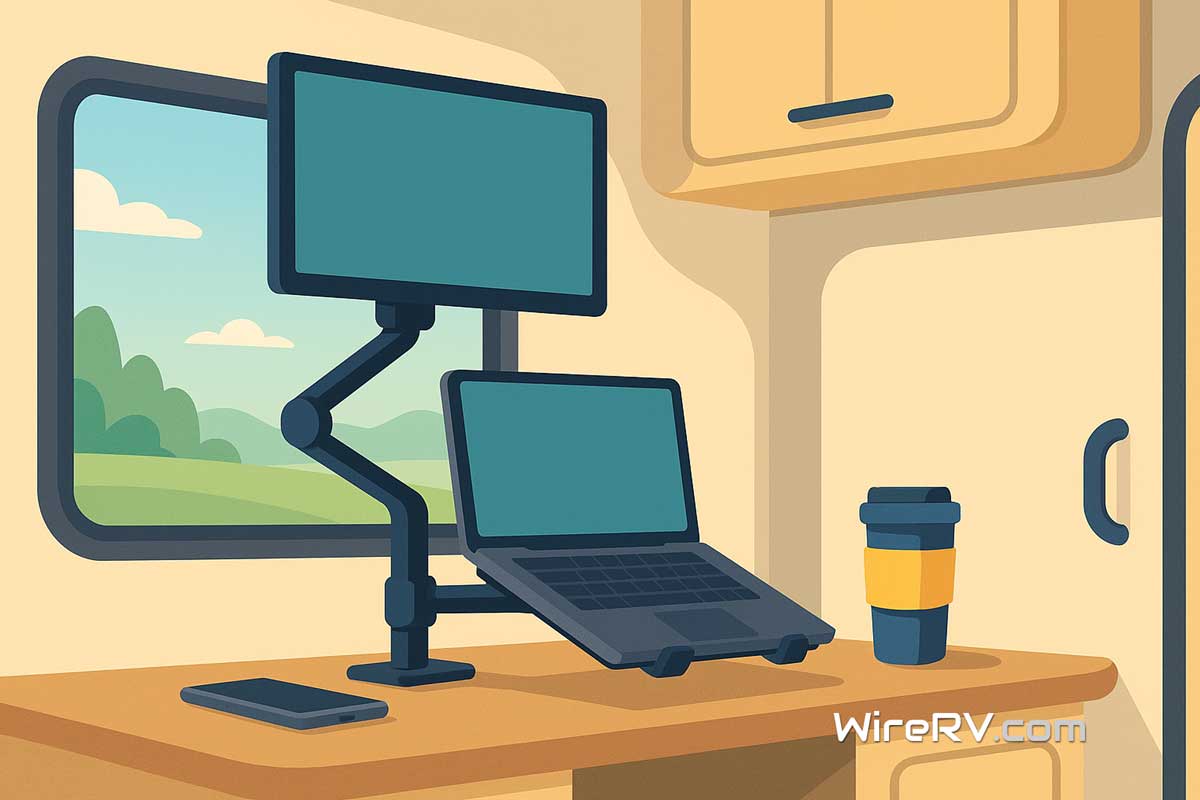
    RV Laptop Mounts That Will Make Remote Work Better

    The Best RV-Friendly Monitors and Laptop Mounts ๐Ÿ’ป ๐Ÿš

    When you’re working on the road, your tech setup matters. A shaky screen, awkward viewing angle, or cluttered table can indeed throw off your entire workflow. Thatโ€™s why, digital nomads and full-time RVers alike are upgrading their gear for comfort, stability, and space-saving design โ€” especially when it comes to RV Laptop Mounts and monitors. ๐Ÿ’ช

    In this guide, weโ€™ll comparatively highlight the best RV Laptop Mounts and RV-friendly monitors to help you build a mobile workstation that actually works โ€” no matter where you park. ๐Ÿ›ป ๐Ÿ’ก


    RV laptop mounts setup with monitor arm and workspace accessories in a cozy interior.

    What to Look for in RV Laptop Mounts & Tech Gear โœ…

    Before we dive into our picks, here are some important things to keep in mind:

    • ๐Ÿชถ Size & Weight: Space is limited in an RV, so slim and lightweight monitors are a must.
    • ๐Ÿ”‹ Power Use: Lower wattage similarly means less strain on your solar or battery system.
    • ๐Ÿ› ๏ธ Mounting Options: Wall mounts, swing arms, or portable stands help keep your desk clear.
    • ๐Ÿšš Durability: Vibration-resistant gear holds up better to bumps and movement on travel days.

    Top RV Laptop Mounts & Monitors for RV Use ๐Ÿ–ฅ๏ธ

    1. ASUS ZenScreen MB16AC

    A portable 15.6โ€ณ USB-C monitor thatโ€™s ultra-slim and fits easily into a drawer or bag. โœ… Moreover, perfect for adding a second screen without taking up valuable RV space.

    2. ViewSonic VA1655

    Lightweight and powered by USB-C. Also, this 1080p portable monitor is ideal for road warriors who want flexibility and reliable performance. ๐ŸŽจ Its compact design makes it perfect for RV life.

    3. LG 27-inch Ultrafine 4K UHD

    For those with a bit more space and a fixed desk, this 27โ€ 4K monitor offers excellent clarity and adjustable positioning for a more comfortable setup. ๐Ÿช‘ As a result, you can fine-tune your viewing angle for longer work sessions.

    4. ARZOPA Portable Monitor

    An affordable 15.6โ€ IPS display with HDMI and USB-C support โ€” a solid choice for budget-friendly setups. ๐Ÿ’ต Itโ€™s also easy to store, quick to set up, and works well for everyday tasks on the road.


    Best RV Laptop Mounts & Monitor Arms ๐Ÿงฒ ๐Ÿช›

    1. VIVO Clamp-On Laptop Tray

    Attaches to desks or counters and folds out of the way when not in use. โœ… Itโ€™s one of the most compact and space-saving solutions for RV setups.

    2. Mount-It! RV Monitor Wall Mount

    A heavy-duty articulating wall mount designed specifically for RVs. ๐Ÿ› ๏ธ It features a locking mechanism to help keep your screen secure during travel.

    3. Twelve South Curve Flex

    A sleek adjustable laptop stand that works on any surface and collapses for easy storage โ€” a stylish entry in the world of RV Laptop Mounts. โœจ It also helps improve posture and viewing angles for more comfortable work sessions.

    4. Ergotron LX Desk Mount Arm

    Premium gas-spring monitor arm that handles motion like a pro. Therefore, itโ€™s ideal when used alongside RV Laptop Mounts in a fixed desk setup. ๐Ÿ’ผ


    Tips for Creating an RV Laptop Mounts Workstation ๐Ÿง  ๐Ÿช‘

    • โœ… Use Velcro or bungee cords to secure gear on travel days.
    • โ˜€๏ธ Mount your monitor near a window for natural light โ€” but add a shade for glare.
    • ๐Ÿงต Keep cords tidy with zip ties or cable sleeves.
    • ๐Ÿ” Combine monitor arms with fold-down desks for dual use.

    Ultimately, a smart workstation setup โ€” especially with the right RV Laptop Mounts โ€” makes remote work not just possible, but comfortable, efficient, and enjoyable. ๐ŸŽฏ

    Stay tuned to Wire RV for more mobile tech gear reviews and workspace hacks! ๐Ÿš€

    Looking for more gear tips? Explore Wire RV for our latest reviews on tech, energy, and mobile life.

  • The Sure RV Office Setup Made to Maximize Focus
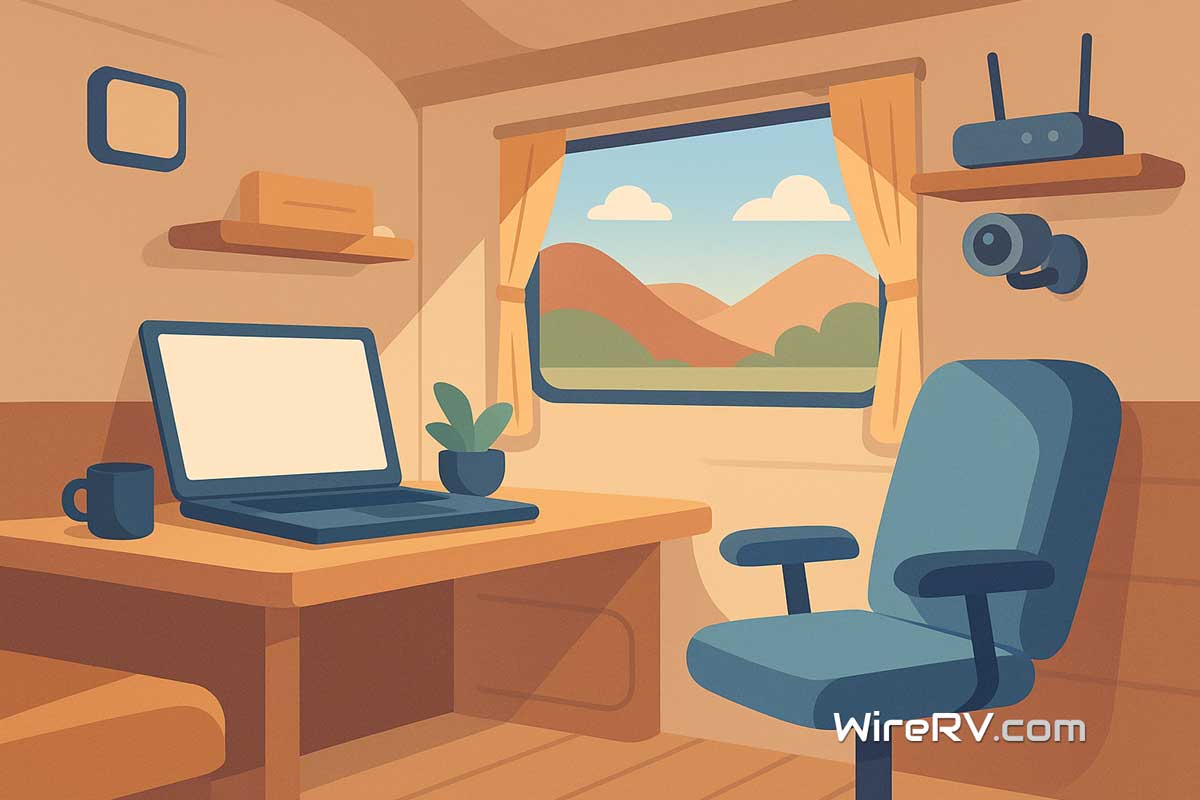
    The Sure RV Office Setup Made to Maximize Focus

    How to Set Up a Mobile Office in a Small RV

    Discover the ultimate RV Office Setup for remote work on the road. Learn how to maximize space, stay comfortable, and stay connected with these smart tips. ๐Ÿ› ๏ธ๐Ÿ’ผ

    Working remotely from your RV is a dream come true for many digital nomads. However, making that happen in a small space takes clever planning. ๐Ÿง  From the right desk to stable internet, hereโ€™s how to create an RV Office Setup that feels both productive and cozy. โ˜•


    Cozy RV office setup with desk, monitor, and organized workspace.

    Step 1: ๐Ÿช‘ RV Office Setup Starts with a Compact, Multi-Use Work Surface

    Check out space-saving options like an adjustable folding RV table for a simple, portable setup, or an over-couch swivel desk if you want something more stable and adjustable for daily work.

    A lightweight folding table is easy to store and quick to set up, while a swivel desk can slide into place and give you a more comfortable, dedicated workspace without taking up permanent room.

    To start, look for fold-out desks, swivel tabletops, or convertible dinette work surfaces. ๐Ÿงฉ In a small RV, every inch matters, so choose pieces that can serve more than one purpose while staying sturdy enough for daily use.

    Step 2: ๐Ÿ’บ Prioritize Your RV Office Setup Seating

    Next, donโ€™t skimp on comfort. A cushioned, adjustable office chair like this one can make a big difference during long work sessions, especially if you are working from your RV full-time.

    If you plan to work longer hours, consider upgrading to a high-back ergonomic office chair with extra padding and support. This type of chair offers better comfort and stability, especially if you are working from your RV full-time.

    If space is limited, you can improve your setup with a memory foam bench cushion for RV seating or a lumbar support pillow for your chair. ๐Ÿ›‹๏ธ A thicker cushion like this adds comfort to hard bench seating, while a supportive lumbar pillow helps improve posture and reduce back strain during longer work sessions.

    Good posture leads to better focus and productivity, so investing in the right seating setup is well worth it.

    Step 3: ๐Ÿ”Œ Organize Cables and Devices

    Try products like these adhesive cable clips or Velcro cable ties.

    Then, tame the tech chaos. Use adhesive clips, hanging pouches, or also baskets to manage cords. โœจ Mount a power strip under your desk to keep it neat and tidy.

    Step 4: ๐Ÿ’ก RV Office Lighting and Power Tips

    Consider a portable power station if you want reliable power while working remotely.

    Of course, natural light helps. But also pack a small LED desk lamp and use a surge protector for RV electronics or a portable power station. ๐Ÿ”‹ Going solar? Extra batteries will help during boondocking.

    Step 5: ๐Ÿ“ถ Boost Your Wi-Fi Reliability

    Explore options like a mobile internet setup, a cellular hotspot plan, or an RV signal booster system to stay connected on the road.

    Staying online of course is key! Use a cellular hotspot with a signal booster or antenna. Services like Starlink or Nomad Internet can indeed be game-changers. ๐ŸŒ

    Step 6: ๐Ÿ—‚๏ธ RV Office Setup Storage and Paperwork Solutions

    Try Command wall file organizers or Seat Back Organizers to keep supplies in check.

    Keep it clutter-free. Add wall file holders, under-bench bins, or seat-back organizers. Even better, scan paperwork and go digital! ๐Ÿงพ๐Ÿ“ฒ

    Step 7: ๐Ÿง˜โ€โ™‚๏ธ Create a โ€œWork Modeโ€ Ritual

    Use noise-canceling headphones or set up a portable privacy screen to help shift into focus mode.

    Finally, get in the zone. Noise-canceling headphones ๐ŸŽง, a daily routine, or a simple privacy screen can help shift your mindset from travel to focus mode.


    With the right layout and a few clever tools, your RV Office Setup can be both stylish and efficient. ๐Ÿšโœจ You donโ€™t need a lot of space โ€” just smart choices. Happy working on the road! ๐Ÿ’ป

    Looking for more gear tips? Explore Wire RV for our latest reviews on tech, energy, and mobile life.