Category: RV Travel Guides

  • RV Travel Weather Planning: How to Make Smart Decisions

    RV Travel Weather Planning: How to Make Smart Decisions

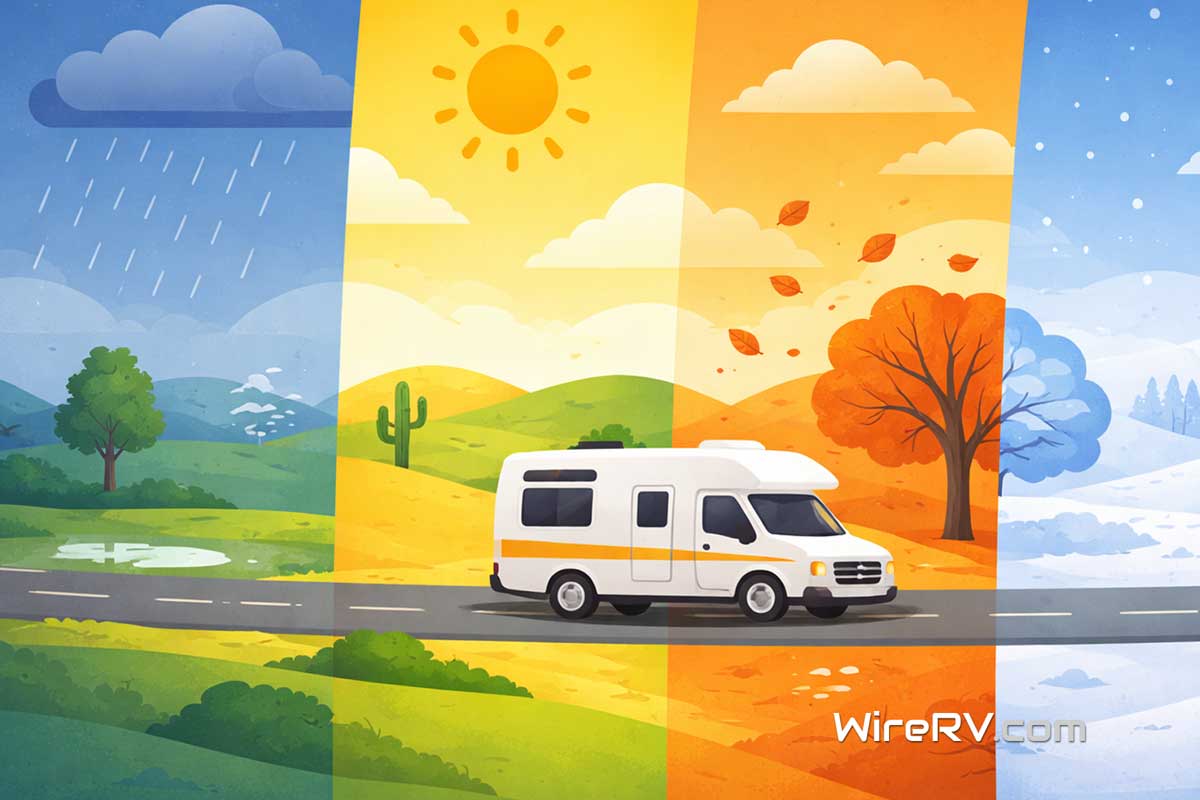
    Most RV trips do not go wrong because of bad planning. Instead, they fall apart because of unexpected weather 🌦️. That is why rv travel weather planning matters more than most people realize. When you understand how weather affects your trip, you can avoid discomfort, delays, and even safety risks.

    For example, it helps to check reliable forecasts from the National Weather Service before heading out. You can also use a dedicated RV GPS or weather-aware navigation device to stay updated while you’re on the road.

    In this guide, you will learn how to plan smarter, adjust quickly, and enjoy your trip no matter what the forecast brings.


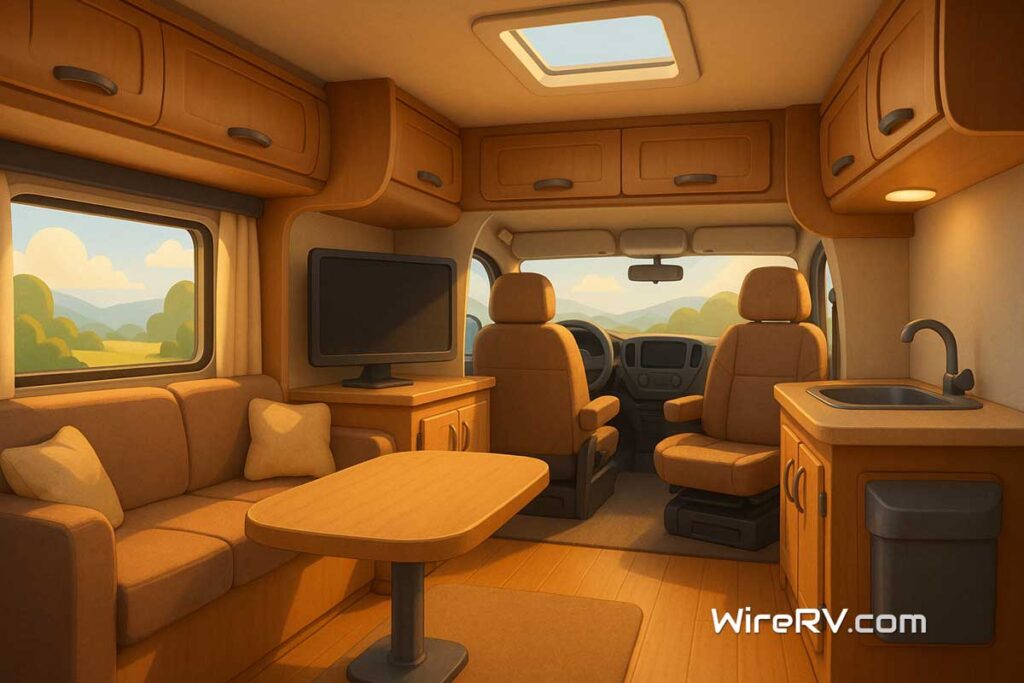
    Hank and Summer using a laptop and maps for RV travel weather planning inside their RV.
    Planning ahead makes every RV trip smoother. Hank and Summer use maps, weather tools, and smart decisions to stay comfortable on the road. 🚐🌤️

    Why RV Travel Weather Planning Matters 🚐

    First, weather affects almost every part of your trip. From driving conditions to campsite comfort, it plays a bigger role than your route or schedule.

    For example, rain can turn a beautiful campsite into a muddy mess. Meanwhile, heat can make your RV uncomfortable fast. As a result, even a well-planned trip can feel stressful. Having the right gear on hand can make a big difference when conditions change unexpectedly.

    Because of this, rv travel weather planning helps you stay flexible and prepared.


    Weather Factors That Can Make or Break Your RV Trip 🌍

    🌧️ Rain and Wet Conditions

    Rain may seem minor. However, it can quickly impact your setup and daily plans.

    Wet ground makes leveling harder. In addition, outdoor cooking and relaxing become limited. Therefore, it is important to check for extended rain before you arrive.

    Using RV leveling blocks can make setup much easier on uneven or muddy ground.

    A durable outdoor RV rug can also help keep your campsite cleaner and more comfortable in wet conditions.


    ☀️ Heat and Sun Exposure

    High temperatures can make your RV uncomfortable. In fact, your fridge and cooling systems work much harder in the heat.

    Improving airflow with a high-quality RV vent fan can significantly reduce heat buildup inside your rig.

    Because of this, plan travel days early in the morning. Also, choose campsites with shade whenever possible.

    Reflective window covers can also help block direct sunlight and keep interior temperatures more manageable.

    You can also review extreme heat safety tips from the Centers for Disease Control and Prevention to better understand how heat affects travel.


    🌬️ Wind and Driving Conditions

    Wind is often overlooked. However, it can be one of the most dangerous conditions for RV travel.

    Strong crosswinds affect steering and stability. As a result, driving becomes tiring and sometimes unsafe.

    When parked, using wheel chocks can help keep your RV stable in windy conditions. In more extreme conditions, upgrading your towing setup with sway control can improve handling and reduce driver fatigue.

    It helps to monitor wind conditions using resources like National Oceanic and Atmospheric Administration before driving.

    For more details, see our guide on RV crosswind driving.


    ❄️ Cold Weather and Freezing Temps

    Cold weather introduces a different set of challenges. Pipes can freeze, and systems may stop working properly.

    Using a heated RV water hose can help prevent freezing and keep your water system running in cold conditions. Additional insulation can also help protect exposed pipes in colder temperatures.

    Even though this article focuses on general planning, you should review our freezing weather guide for deeper preparation.


    How to Plan RV Trips Around Weather 🧭

    Now that you understand the risks, you can plan smarter.

    First, check the forecast several days before your trip. Then, check again the day before departure. Weather changes quickly, so staying updated is key.

    Next, build flexibility into your route. For example, allow extra time between stops. This way, you can adjust if conditions change.

    An RV GPS can also help you plan safer routes based on road conditions and vehicle size.

    Finally, pack for multiple conditions. Even if the forecast looks clear, unexpected weather can still happen.


    Match Your Destination to the Season 🌄

    In many cases, where you go matters just as much as when you go.

    For instance, some national parks are perfect in spring but too hot in summer. On the other hand, mountain destinations are ideal during warmer months.

    As temperatures warm up, it’s also a good time to review your RV dewinterizing checklist before your first trip of the season.

    Because of this, rv travel weather planning should always include seasonal destination choices.

    You can also check seasonal conditions directly through the National Park Service before choosing your destination.

    For inspiration, explore our national parks RV travel guide.


    Quick RV Travel Weather Planning Checklist ✔️

    Before your trip, take a few minutes to review these steps:

    • Check the forecast 3 to 5 days ahead
    • Review conditions again before departure
    • Plan flexible travel times
    • Pack for rain, heat, and wind
    • Adjust destinations if needed

    Having the right gear on hand can make it much easier to adapt to changing weather conditions on the road.


    Final Thoughts on RV Travel Weather Planning 🌦️

    In the end, the best RV trips are not just well planned. They are well adapted.

    By focusing on rv travel weather planning, you give yourself the ability to adjust, stay comfortable, and enjoy the journey.

    So before your next trip, take a few extra minutes to check the forecast and plan accordingly. It can make the difference between a frustrating trip and an unforgettable one 🚐✨
  • Cozy RV Campsite Setup: Ways to Love the Results

    Cozy RV Campsite Setup: Ways to Love the Results

    Creating a cozy RV campsite setup can turn any trip into a relaxing, memorable experience. Whether you’re staying for a weekend or a full season, a few simple upgrades can make your campsite feel warm, inviting, and comfortable.

    Even better, you don’t need a lot of time, money, or gear. Simple additions like string lights, a comfortable outdoor rug, or better seating can instantly upgrade your space without much effort. So small touches can make a big difference in how your setup feels. In fact, many of the best upgrades are simple and affordable.

    So, let’s walk through easy, practical ideas to help you create a cozy RV setup you’ll love coming back to each evening 🌙


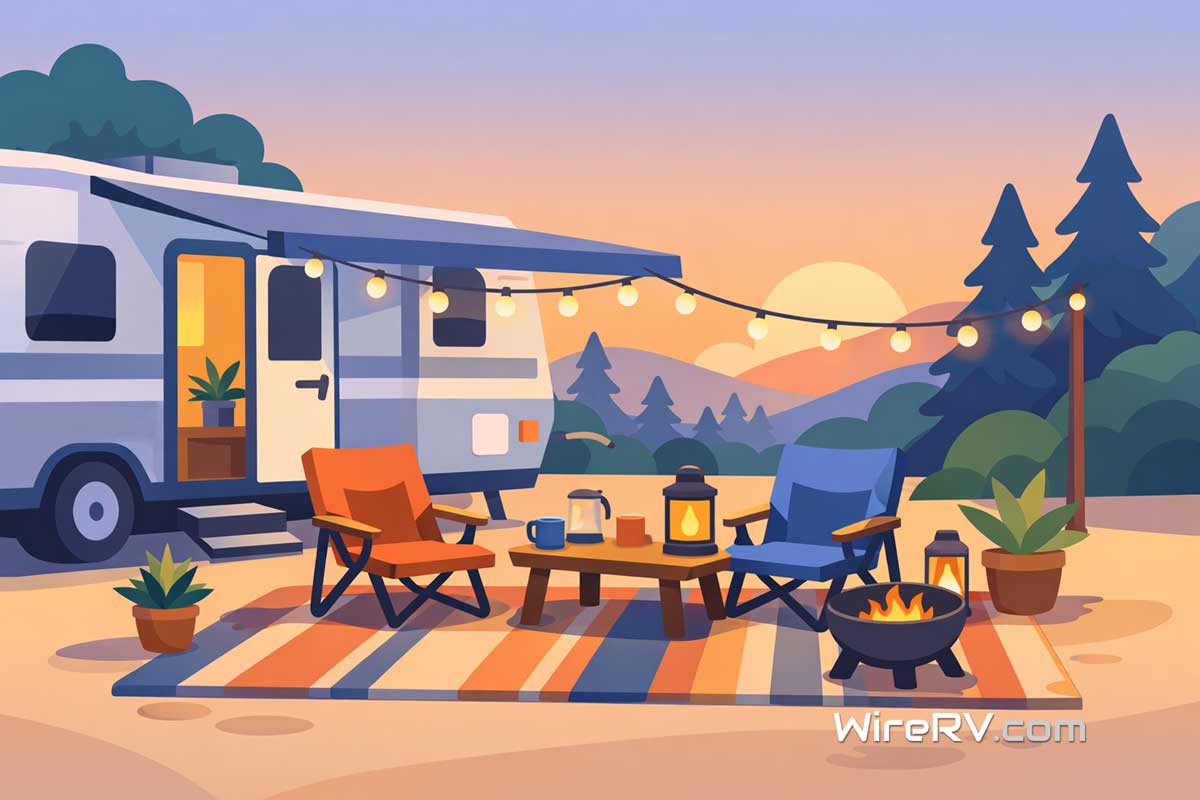
    Cozy RV campsite setup with a couple relaxing by a fire pit at sunset, featuring string lights, outdoor seating, and a warm, inviting atmosphere.
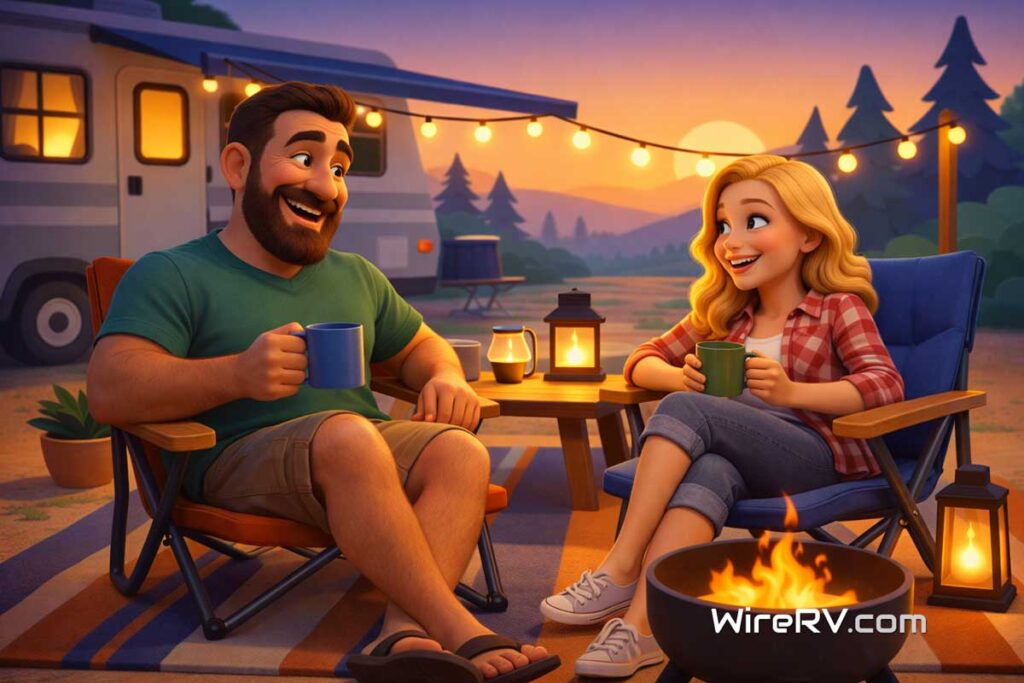
    Hank and Summer relaxing at their cozy RV campsite setup after a long day of travel, enjoying the warm glow of sunset and a quiet evening by the fire.

    1. Add Warm Outdoor Lighting for a Cozy RV Campsite Setup ✨

    Lighting is one of the fastest ways to create a cozy atmosphere at your campsite. Therefore, without it, your setup can feel flat or uninviting.

    Instead of relying on harsh overhead lights, use:

    As a result, warm lighting creates a soft glow. In turn, your space feels calm and relaxing after sunset.

    As you create a cozy atmosphere with lights or a fire pit, be sure to follow basic fire safety tips from Smokey Bear to help protect your campsite and the surrounding area.


    2. Use an Outdoor Rug to Define Your Space 🧺

    An outdoor rug instantly transforms your campsite into a defined living area. At the same time, it adds comfort underfoot.

    In addition, it helps:

    • Keep dirt out of your RV
    • Create a clean, comfortable space
    • Add color and personality

    Overall, a rug makes your setup feel more complete. Because of this, your campsite looks more intentional and inviting.

    For example, a 6×9 reversible outdoor rug designed for RV use can instantly define your space while keeping dirt outside where it belongs.


    3. Create Comfortable Seating for a Cozy RV Campsite Setup 🪑

    Comfortable seating is key to enjoying your campsite. After all, this is where you’ll spend most of your time.

    Rather than using basic folding chairs, consider:

    This way, you create a space where you actually want to sit. As a result, you’ll spend more time relaxing outdoors.

    For example, even a simple padded camping chair can make your campsite feel much more comfortable without spending a lot. If you want to upgrade your setup, a zero gravity reclining chair adds an extra level of comfort that’s perfect for long evenings outside.


    4. Bring Soft Textures Outside 🧸

    Adding soft elements makes your setup feel more like home. At the same time, it increases comfort.

    For example, try:

    Especially on cooler nights, these small touches make evenings more enjoyable. In fact, they can make a big difference in how long you stay outside.

    For example, a soft, roll-up outdoor blanket with a carry strap is easy to bring along, while a set of weather-resistant outdoor pillows can instantly make your seating area feel softer and more inviting.


    5. Set Up a Simple Table or Coffee Station for a Cozy RV Campsite Setup ☕

    A small table adds both function and comfort. In many cases, it becomes the center of your setup.

    For instance, you can use it for:

    • Morning coffee
    • Snacks or meals
    • Games or reading

    At the same time, a sturdy folding camping table works great. Plus, it doesn’t take up much space.

    For example, a lightweight aluminum folding table with a carry bag that’s easy to set up and strong enough for meals or games makes it simple to enjoy time outside your RV without hassle.


    6. Use Natural Elements for a Relaxed Feel 🌿

    Bring a bit of nature into your setup to enhance the atmosphere. By doing this, your campsite feels more connected to its surroundings.

    To start, simple ideas include:

    Because of this, your campsite will feel more peaceful. In addition, it blends better with the outdoor environment.

    For example, a set of LED lanterns with a flickering flame effect can add a relaxed, campfire-style glow, while a rustic wooden lantern brings in a natural, decorative touch that makes your campsite feel more inviting.


    7. Keep Your Cozy RV Campsite Setup Clutter-Free and Functional 🧼

    A cozy space isn’t crowded—it’s clean and easy to use. Otherwise, it can quickly feel overwhelming.

    To keep things simple, focus on:

    • Storing gear neatly
    • Avoiding unnecessary items
    • Keeping walkways clear

    In the end, a tidy setup makes it easier to relax. As a result, your space feels more open and enjoyable.

    For example, using a durable collapsible storage crate with handles makes it easy to keep small items organized while still packing everything away when you’re ready to move.

    Before arriving, it also helps to review campsite details and layout when booking through Recreation.gov so you can plan a setup that fits your space.

    If you’re still getting familiar with setting up your RV, check out our RV setup guide for step-by-step help.


    Cozy RV Setup Essentials Worth Having 🛠️

    If you want to upgrade your setup quickly, a few key items can make a big impact. In particular, focus on items that improve comfort and lighting.

    For example, consider adding:

    Together, these essentials are simple and affordable. As a result, they’re easy to bring on any trip.


    Final Thoughts: Create a Space You Love 🌅

    A cozy RV campsite setup isn’t about having the most gear—it’s about creating a space that feels good to be in. At the end of the day, comfort matters most.

    Ultimately, with a few thoughtful touches, you can turn any campsite into a place where you can relax, unwind, and enjoy your time outdoors.

    So, start small, add what you need, and build a setup that works for you. Before long, your campsite will feel just as comfortable as home 🏕️✨


    Looking for more RV tips? Explore our guides to make every trip easier, more comfortable, and more enjoyable 🚐

  • Successful Family Weekend RV Trips to Make You Happy

    Successful Family Weekend RV Trips to Make You Happy

    Looking for family weekend RV trips that are simple, fun, and actually doable? Well, you’re certainly in the right place. Instead of long, stressful travel plans, these easy getaways are designed to help your family hit the road quickly and enjoy more time together. 🚐✨

    Whether you want mountains, beaches, or quiet forests, these trips focus on short drive times, kid-friendly activities, and stress-free planning. So, let’s jump into some of the best ideas you can use this weekend.


    Family weekend RV trips with Hank and Summer enjoying morning coffee at a lakeside campsite.
    Hank and Summer start their day with coffee by the lake. One of the simple joys of family weekend RV trips. ☕🚐

    🌄 Family Weekend RV Trips to the Mountains

    If your family loves fresh air and scenic views, then mountain trips are a perfect choice. Not only are they relaxing, but they also offer plenty of space for kids to explore.

    Why families love it:

    • Easy hiking trails for all ages
    • Wildlife spotting 🦌
    • Cooler temperatures in warmer months

    Quick tip: Choose campgrounds near the entrance of national or state parks. This saves time and avoids long daily drives. For example, if you’re heading to a national park, you can explore campground options and details through the National Park Service before you go.


    🏖️ Beachside Family Weekend RV Trips

    On the other hand, beach trips bring a completely different kind of fun. Generally think sand, water, and endless ways to keep kids entertained.

    Why this works so well:

    • Built-in entertainment (no planning needed)
    • Relaxing for parents 😎
    • Great for short stays

    Best approach: Look for RV parks with direct beach access or within a short walk. That way, you can go back and forth easily.


    🌲 Easy State Park Picks

    If you want something budget-friendly, state parks are one of the best options. In fact, they’re often overlooked—but they shouldn’t be.

    Why choose state parks:

    • Lower campground fees 💰
    • Less crowded than major destinations
    • Perfect for biking, fishing, and campfires

    Pro tip: Book early for weekends, especially in peak seasons. Spots fill up fast.

    For even more ideas, explore these national park destinations that are perfect for RV travel and longer family adventures.


    🏕️ How to Choose the Best Family Weekend RV Trips

    Before you go, it helps to keep a few simple things in mind. This makes your trip smoother and more enjoyable. Also, timing matters more than most people think, especially for popular spots, so it helps to understand campground booking windows before you plan your trip.

    Keep it simple:

    • Stay within 2–4 hours of home
    • Pick locations with activities for kids
    • Avoid overpacking your schedule

    Also, plan ahead:

    • Reserve your campsite early
    • Check RV size restrictions
    • Review campground amenities

    As a result, your trip will feel more relaxing and less rushed. Additionally, reserve your campsite early using trusted tools like Recreation.gov, especially for popular weekend destinations.


    🚐 Make the Most of Your Family Weekend RV Trips

    Finally, remember that the goal is not perfection—it’s connection. Even a simple trip can turn into a lasting memory when your family is fully present.

    Simple ideas to enjoy more:

    • Cook meals together 🍳
    • Explore nearby trails
    • Sit around the campfire and unwind 🔥

    In the end, family weekend RV trips are all about making travel easier so you can focus on what matters most—time together.


    🧳 What to Pack

    Before you head out, it helps to pack smart. Not only does this save time, but it also keeps your trip running smoothly.

    Don’t forget these essentials:

    • Easy meals and snacks 🥪
    • Outdoor games for kids
    • Flashlights and extra batteries 🔦

    Additionally, keep a small checklist on hand so nothing gets left behind. This way, you can spend less time worrying and more time enjoying your trip.


    Ready to go? Pick a destination, pack the essentials, and start your next adventure this weekend. 🌟

  • Campground Booking Windows That Can Make You Better Prepared

    Campground Booking Windows That Can Make You Better Prepared

    Plan now, relax later. When you understand campground booking windows, you can catch releases that open and close fast, often at set times each day. As a result, a simple system will land the sites you want for spring, summer, and fall 2026.


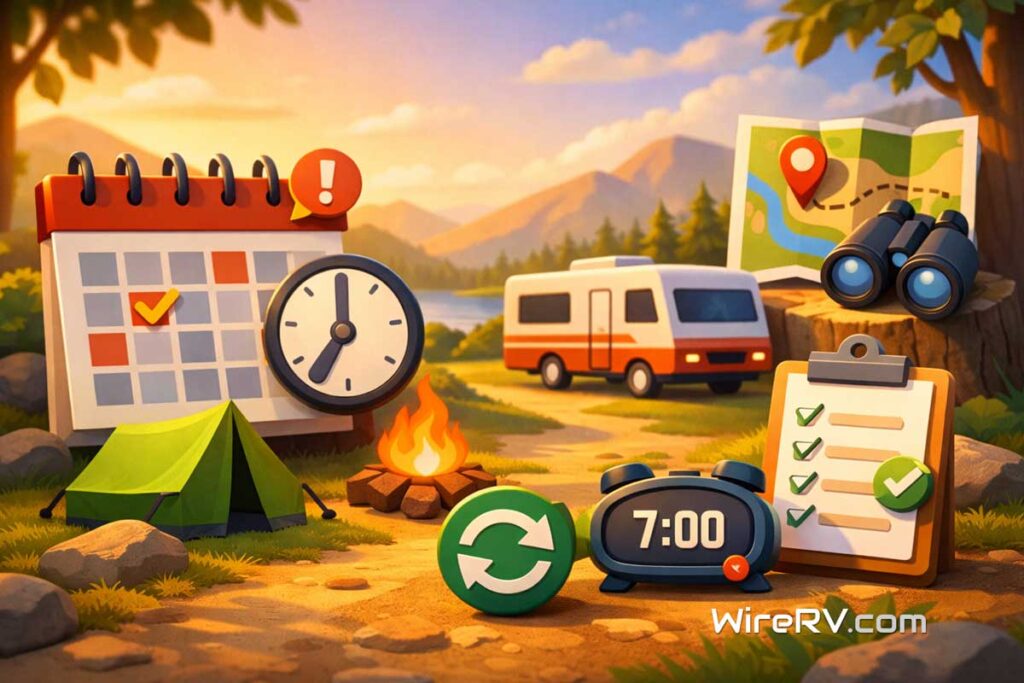
    Illustration explaining campground booking windows with a calendar, clock, RV, and planning tools at a campsite.

    📅 What are “campground booking windows”

    Campgrounds open reservations a fixed time before arrival, then release cancellations as they occur. Particularly, here are some common windows:

    • 6 months (many state parks and private parks)
    • 6–9 months (some popular destinations)
    • 12 months (select national/state parks and resorts)
    • Short windows like 14–30 days (a few regional parks)

    Tip: windows are also usually measured to the night of arrival, not the day you book.

    Some RV travelers keep a simple planner or calendar handy to track these booking windows, especially when planning multiple trips.


    ⚡ The fast campground booking windows plan (how to snag peak dates)

    1. Pick exact travel dates (primary + backups) and your target loops.
    2. List each campground’s window (open/close policy + daily release time).
    3. Set 2 reminders for each date: 24 hours before and 10 minutes before.
      Pro Tip: Some RVers use a small atomic clock to make sure they hit booking windows right on time, especially when seconds matter
    4. Be logged in on all portals 10 minutes early specifically with a saved profile and payment method.
      Some RVers use a tablet or second device to keep multiple booking pages open at once.
    5. Search from the campground’s map view at the exact release time and book the first workable site—you can optimize later with a rebook/swap.

    🗺️ Where to book (and what to expect)

    • Recreation.gov (many federal sites): often rolling daily releases at a set time.
    • State park systems: release patterns vary; some drop at midnight local, others at morning open (e.g., 7–10 a.m.).
    • Private parks: many open dates all at once for the season; also waitlists are common.

    Have a second device ready (laptop + phone) so you can search and confirm in parallel.


    🔁 Strategy for sold‑out parks

    Even if opening day is gone, you still have options:

    • Cancellations are also constant. Because travelers adjust routes weekly, check for openings at 7–10 a.m. local and again in the evening; consequently, you will catch most drops.
    • Shorten your stay (book 1–2 anchor nights), then extend one night at a time as gaps appear.
    • Midweek arrivals are easier than Fridays; so shift your plan by a day if possible.
    • Finally, use alerts. Basically, set availability alerts on your dates and site length; respond fast when notified. Make sure notifications are enabled and easy to hear so you can respond quickly when a site opens up.

    📆 How far ahead for campground booking windows (2026 overview)

    • Spring Break (Mar–Apr): Open now. Prioritize desert, coast, and southern parks; windy corridors book quickly.
    • Early Summer (late May–June): Fill rate accelerates after Presidents’ Day; lock these next.
    • Peak Summer (July–Aug): Book the moment windows open; set alerts for cancellations.
    • Shoulder Season (Sept–Oct): Great weather and lighter crowds—still competitive on weekends.

    Planning national parks this spring or summer? See our National Parks RV Travel guide for route timing, length limits, and booking tips: https://wirerv.com/national-parks-rv-travel/


    📋 Building your campground booking windows tracker (copy this layout)

    Create a simple table you can reuse for every trip. Some RVers use a small dry erase board to track booking windows and update dates quickly.

    • Park/Campground
    • Loop/Area (length limits, hookups)
    • Booking Window (e.g., 6 months; daily at 8:00 a.m. local)
    • Earliest Book Date (auto‑calc from arrival)
    • Release Time (local)
    • Site Length Needed (total including tongue/bikes)
    • Backup Dates/Sites
    • Notes (generator hours, max stay, vehicle limits)

    Pro move: add a column for “Booked/Confirmed” and “Swap Target” so you can upgrade if a better site opens.


    ⏱️ Release‑time playbook (step‑by‑step)

    • 10 min prior: Log in, open campground map, set filters (length, hookups).
    • 2 min prior: Refresh and hover on your first‑choice site tab.
      Some RVers prefer using a mouse for quicker, more precise clicks when selecting sites on the map.
    • At release: Claim the first acceptable site; do not overthink it.
    • Immediately after: Add calendar reminders to recheck nightly for a closer or shadier site.

    📊 Weekend vs. weekday tactics

    • Weekends: Book the anchor nights first (Fri/Sat), then fill weekdays around them.
    • Weekdays: You’ll find more cancellations Tues–Wed; watch for last‑minute drops.

    📏 Length limits and rig fit

    Measure bumper‑to‑tongue (towables) or bumper‑to‑bike rack (motorized). A simple tape measure makes it easy to get an accurate total length before booking. When in doubt, filter one size down and bring short hose/cord backups so you can reach hookups without crossing traffic areas.


    🧭 Special cases

    • First‑come, first‑served (FCFS): Have a plan B nearby and arrive early morning midweek.
    • Group sites: Reserve early; they often have longer windows and stricter change rules.
    • National park corridors: Some routes pair permit systems with campground windows—research both.

    ✅ Quick checklist for each target campground

    Some RVers keep a simple checklist on a clipboard so everything is easy to review before booking opens.

    • Account created and profile complete
    • Payment method saved
    • Rig length/height verified
    • Booking window and daily release time noted
    • Alerts set for your dates/length
    • Primary and backup dates chosen
    • Two device tabs open 10 minutes early
    • Anchor nights secured, upgrades on watch

    With a clear tracker and a release‑time routine, you’ll grab high‑demand sites without stress—and you’ll have a system you can reuse for every 2026 trip.

  • Epic National Parks RV Travel to Take Up Now

    Epic National Parks RV Travel to Take Up Now

    National Parks RV Travel is undoubtedly one of the most rewarding ways to experience America’s natural beauty. Whether you’re chasing wildflower blooms, fall colors, summer peaks, or winter solitude, there’s a perfect national park for every season. Overall, this guide breaks down top RV destinations. Also, view by time of year to help you plan unforgettable adventures.

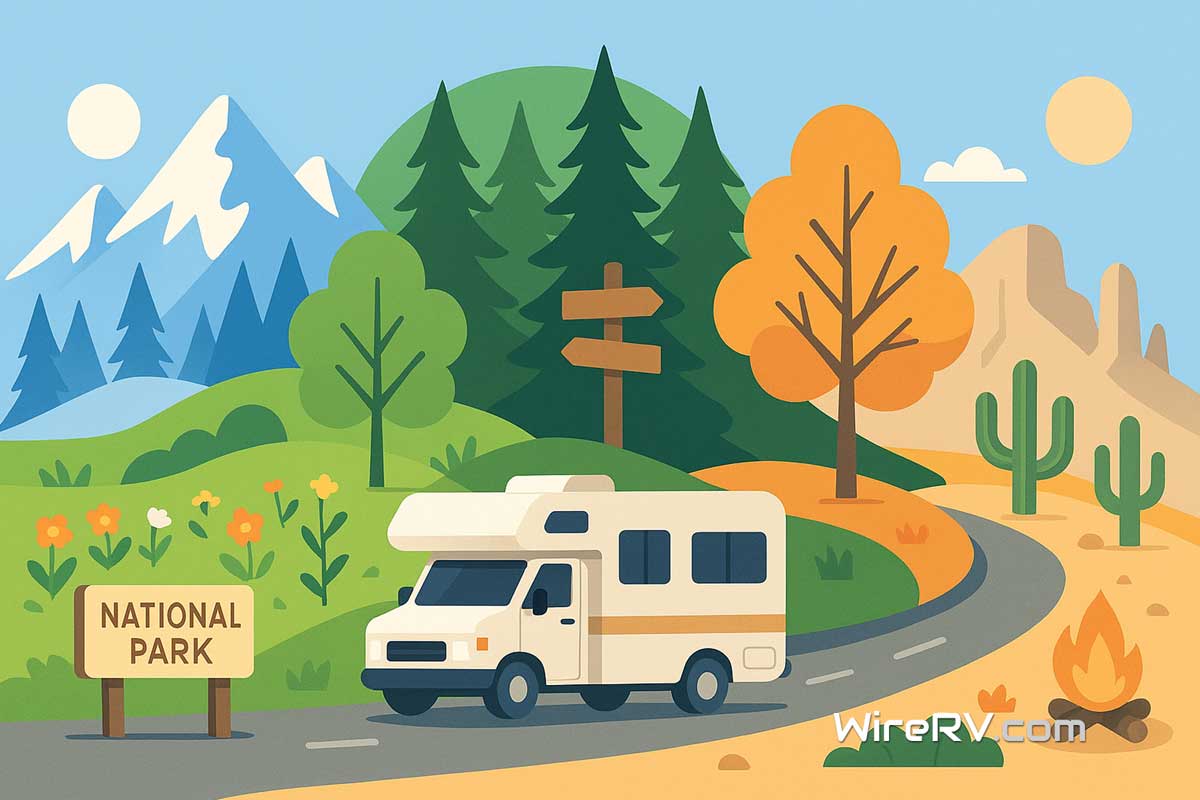
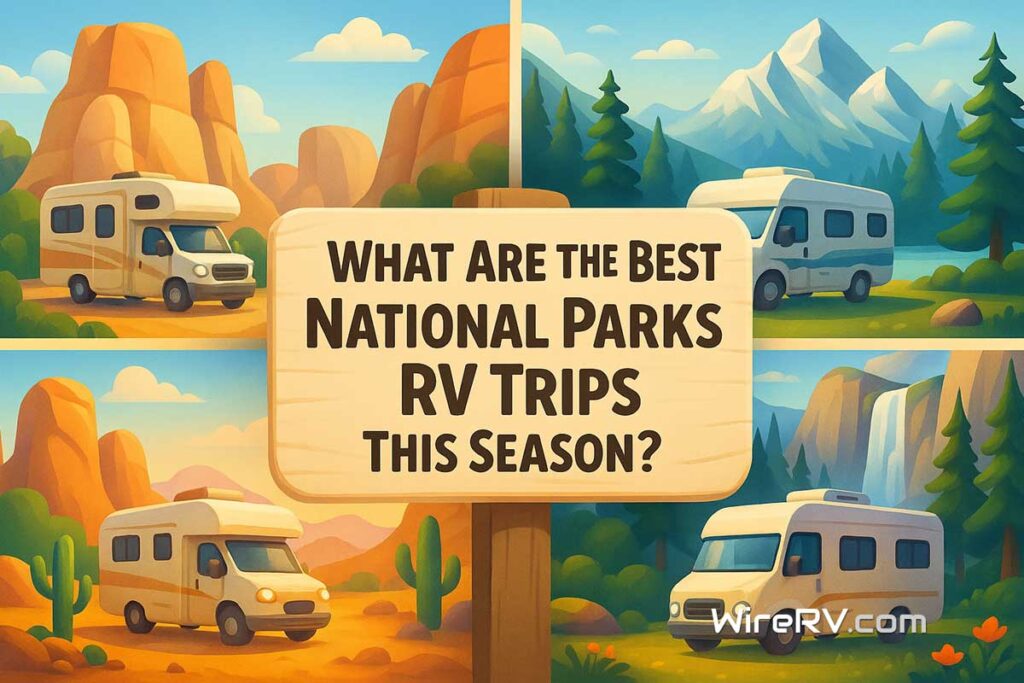
    driving through four seasonal National Park landscapes, with a wooden sign asking 'What Are the Best National Parks RV Trips This Season?'"

    🌸 Spring: National Parks RV Travel Bloom and Renewal

    So, as winter fades, these parks come alive with fresh colors, flowing rivers, and mild temperatures, perfect for RV exploration.

    1. Great Smoky Mountains National Park (Tennessee, North Carolina)

    Particularly, enjoy blooming dogwoods, wildflowers, and cool mountain air. Also, stay in nearby RV parks like Smokemont Campground or explore RV resorts in Gatlinburg.

    Make setup easier with essentials like leveling blocks, a surge protector, and a comfortable outdoor setup.

    2. Big Bend National Park (Texas)

    Spring offers ideal temperatures before the summer heat arrives. The desert landscape is also dotted with blooming cacti. Also, campsites like Rio Grande Village RV Campground offer hookups and scenic views.

    3. Zion National Park (Utah)

    Cool mornings and lighter crowds certainly make spring a great time to hike Zion’s iconic canyons. Watchman Campground generally provides RV sites near the park entrance.


    ☀️ Summer: National Parks RV Travel High Peaks and Northern Wonders

    Summer is best spent at higher elevations. Northern parks also offer cooler weather and long daylight hours.

    1. Glacier National Park (Montana)

    The Going-to-the-Sun Road opens during summer, offering jaw-dropping views. RV-friendly campgrounds like Apgar and St. Mary are great bases.

    Summer travel means higher temps and longer days, also in popular parks. Staying cool inside your RV can make a big difference. A portable fan is an easy way to keep air moving without draining power.

    2. Rocky Mountain National Park (Colorado)

    View alpine lakes and high-elevation trails. So, reserve ahead for Moraine Park or look for full-service RV parks in nearby Estes Park.

    Summer trips often mean limited hookups or busy campgrounds. Having a reliable backup power source can make your trip much better, especially for keeping devices charged or running small essentials.

    3. Acadia National Park (Maine)

    See coastal cliffs, forested hikes, and fresh seafood. Blackwoods Campground and also nearby private RV parks make summer travel easy.


    🍁 Fall: National Parks RV Travel Colors and Crisp Air

    Crisp mornings, smaller crowds, and vibrant foliage in detail make fall a favorite for many RVers.

    1. Shenandoah National Park (Virginia)

    Skyline Drive offers sweeping views of fall colors. Big Meadows Campground is also ideal for RVs and provides easy access to scenic drives.

    Fall trips are perfect for spending more time outside your RV. A warm blanket and a comfortable camp chair can make those scenic mornings and evenings even better.

    2. Grand Teton National Park (Wyoming)

    Golden aspens as well as elk bugling season create a magical view. Fall certainly brings fewer visitors and a peaceful pace. Look for RV camping at Colter Bay RV Park.

    3. Cuyahoga Valley National Park (Ohio)

    Additionally, a lesser-known option for fall travel. Ride the scenic railroad or hike tree-lined trails. Several RV parks nearby also cater to autumn travelers.


    ❄️ Winter: National Parks RV Travel Solitude and Desert Sun

    While some parks close during winter, others shine. Southern and desert parks surely offer sunny days and quiet campgrounds.

    1. Joshua Tree National Park (California)

    Comfortable daytime temperatures and incredible stargazing make this a top winter destination. Boondocking is common, or try Black Rock Campground for RV access.

    Even in milder climates, cooler nights can catch you off guard. Having the right gear to stay warm and keep your RV water system from freezing makes winter travel much more enjoyable.

    2. Saguaro National Park (Arizona)

    Towering cacti and desert trails offer beauty without the summer heat. Base out of Tucson for full-service RV parks near the park.

    3. Everglades National Park (Florida)

    Winter is the dry season in the Everglades, making it the best time for wildlife viewing and boat tours. Flamingo Campground now also offers electric hookups.


    🧭 Tips for National Parks RV Travel

    • Book early. Many national park campgrounds open reservations six months in advance.
    • Pack smart. Campgrounds often have limited services, so bring extra water, backup power, and fuel. A portable power station can make a big difference when hookups are limited.
    • Bring the essentials. Items like a sewer hose kit, water pressure regulator, and power adapters can help you avoid common setup issues.
    • Know the size limits. Some parks restrict RVs over 30 or 35 feet. Always check campground details in advance.
    • Leave no trace. Respect the environment, follow campground rules, and pack out your trash.

    🌍 Final Thoughts: Why National Parks RV Travel Is Worth It

    From coast to canyon, America’s national parks offer unforgettable RV experiences throughout the year. Whether you’re seeking spring wildflowers, summer peaks, fall foliage, or winter sun, there’s a destination that fits your travel style.

    Ready to plan your National Parks RV Travel adventure?
    Choose your season, map your route, and get ready to explore the best of America from your RV.

    Need more help? Check out our WireRV Setup Guide.

  • How to Plan an RV Trip Creating Awesome Results

    How to Plan an RV Trip Creating Awesome Results

    Deciding to plan an RV trip? Whether you’re setting out for a weekend escape or a cross-country journey, having a solid plan helps you avoid common mistakes and enjoy the ride. Overall, this guide walks you through every step, from choosing your route to packing your gear.

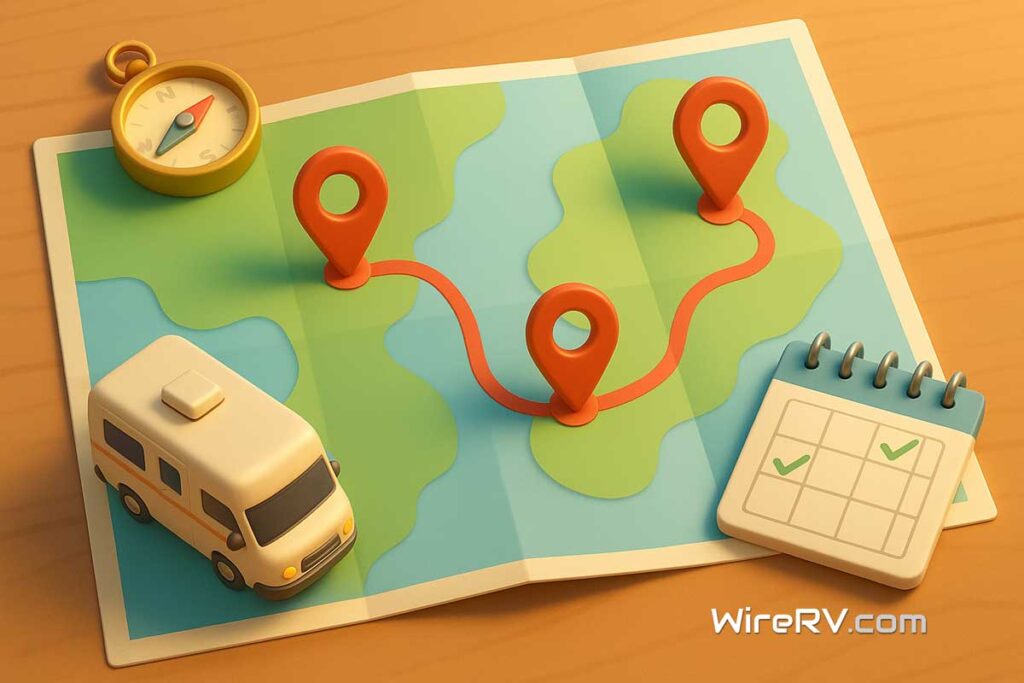
    How to plan an RV trip - illustration of a travel map with red route markers, a beige RV, a compass, and a calendar.

    1. Firstly, Plan an RV Trip Travel Style

    Straightaway, decide what kind of RV trip you want:

    • Are you traveling for a weekend or taking an extended trip?
    • Do you want to explore national parks or small towns?
    • Are you staying at full-service campgrounds or camping off-grid?

    Knowing your style will help you make better decisions about your route and gear.

    Writing your ideas down in something simple like a camping journal or RV travel log book can make it much easier to organize your trip before you start booking anything.


    2. Secondly, Plan an RV Trip Route

    Use tools like:

    Plan your major stops, scenic detours, fuel stations, and overnight stays. Also, watch out for low-clearance bridges, steep grades, and road restrictions for large rigs.

    Also, watch out for low-clearance bridges, steep grades, and road restrictions for large rigs.

    Having an RV-friendly road atlas like the National Geographic Road Atlas can make it much easier to plan safe routes and avoid surprises along the way.


    3. Thirdly, reserve Campsites Early

    Campgrounds can fill up fast in popular areas or during peak seasons. Decide if you’ll stay in:

    • Private campgrounds such as KOA or Good Sam
    • Public parks like state or national forests
    • Membership options like Harvest Hosts or Boondockers Welcome

    Check reviews and look for important features such as full hookups, dump stations, or pet areas.

    A resource like The Complete Guide to RV Camping Across the USA can also help you find well-rated campgrounds and plan ahead, especially during busy seasons.


    4. Fourthly, Plan an RV Trip Prep

    Before you hit the road, inspect and prep your rig:

    • Check tires, lights, brakes, and fluid levels
    • Test your water, electric, and propane systems
    • Pack essentials like leveling blocks, surge protectors, and hoses

    Use a printed checklist so you don’t forget anything. If you need one, check out the WireRV Setup Guide.

    Having essentials like a GEARGO 30 Amp RV surge protector ready ahead of time can help protect your rig and prevent costly electrical issues at the campsite.


    5. Meanwhile, Pack Smart

    Space is limited in an RV, so choose gear that’s compact and useful. Divide your packing list into categories:

    • Kitchen: cookware, food storage, utensils
      Using clear plastic storage bins for RV organization can help you save space and keep everything easy to find while traveling.
    • Bedding: pillows, sheets, blankets
    • Outdoor: folding chairs, grill, lanterns
    • Safety: first-aid kit, tool kit, fire extinguisher

    Make sure everything is secure before driving.


    6. Eventually, Plan for Internet (Optional)

    If you need to stay online during your trip:

    • Check campground Wi-Fi quality in advance
    • Consider mobile internet options like hotspots or Starlink
    • Download maps, shows, and playlists before you go

    A portable emergency weather radio with power bank can also help you stay connected, keep devices charged, and be prepared for unexpected situations while traveling.

    Visit our RV Wi-Fi Setup Guide to get connected on the road.


    7. Also, Stay Flexible

    Even with a great plan, RV trips are full of surprises. Weather, road closures, or a new favorite stop might change your schedule. Give yourself space to adapt, take detours, or stay longer at a beautiful spot.


    Final Pre-Trip Checklist

    • RV inspection complete
    • Route planned
    • Campsites reserved
    • Food and supplies packed
    • Maps and apps downloaded

    You’re ready to roll.

    A quick final check like this can give you peace of mind and help you start your trip with confidence.


    Ready to Hit the Road?

    Planning your RV trip the right way saves time, stress, and money. Whether you’re a weekend warrior or a full-time traveler, these steps will help you enjoy the journey.

    📥 Need help with packing? Grab our free RV Essentials Checklist and get rolling with confidence.

  • The Truth About Best RV Memberships Save You Money

    The Truth About Best RV Memberships Save You Money

    Best RV Memberships: Save Money & Camp Smarter 🏕️💰

    Looking for the Best RV Memberships to cut campground costs, unlock exclusive stays, and make the most of life on the road? The right RV memberships can help you save money, access exclusive perks, and camp smarter. Whether you’re a full-timer or a weekend traveler, these top-rated programs offer serious value. In fact, many RVers find that just one or two memberships can dramatically reduce travel expenses.


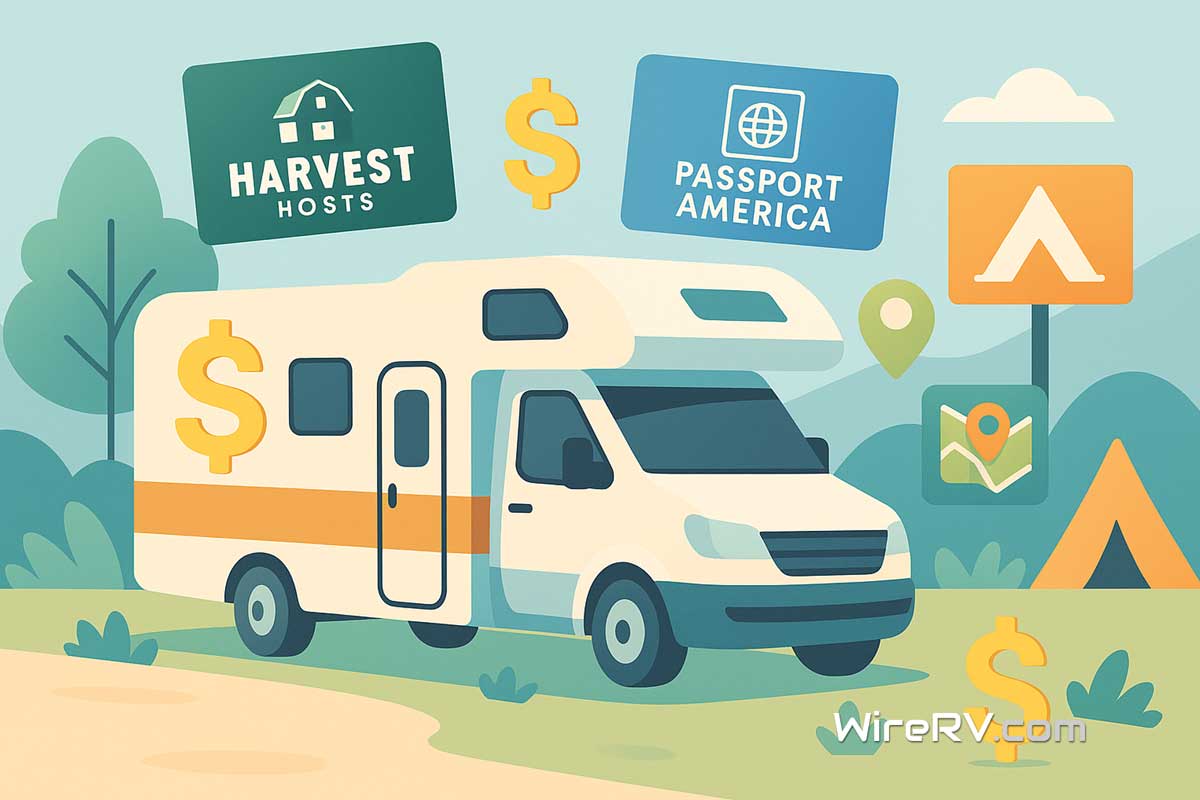
    RV interior scene illustrating how Best RV Memberships enhance comfort and organization.

    1. 🏕️ Passport America – 50% Off Campgrounds Nationwide

    To begin with, Passport America offers one of the easiest ways to slash your camping costs.

    • Biggest perk: Half-price campsites at 1,200+ participating locations.
    • Best for: RVers who also travel frequently and flexibly. Additionally, it’s ideal for those who enjoy exploring lesser-known parks.
    • Cost: ~$44/year
    • More Info

    2. 🍷 Harvest Hosts – Unique RV Membership for Wineries, Farms & More

    Not only that, Harvest Hosts turns your overnight stop into a memorable travel experience.

    • Biggest perk: Stay overnight at 5,000+ scenic locations (for instance wineries, farms, breweries, museums).
    • Best for: RVers who love unique travel experiences. Moreover, it’s a fantastic way to support small businesses and local farms.
    • Cost: ~$99/year
    • More Info

    3. 🌲 Thousand Trails – Best RV Membership for Long-Term Camping

    In many cases, Thousand Trails pays for itself especially if you camp often in a single region.

    • Biggest perk: Unlimited camping as well as 80+ parks with membership.
    • Best for: Full-time RVers or seasonal travelers. If you plan to stay in one region for extended periods, this is especially useful.
    • Cost: Starts around $670/year (zone pass)
    • More Info

    4. ⛽ Good Sam Club – Budget-Friendly Best RV Memberships for Fuel & Roadside Help

    Along with campground deals, Good Sam gives you fuel and retail discounts to sweeten the deal.

    • Biggest perk: Save at campgrounds, Camping World, Pilot/Flying J, and get roadside assistance.
    • Best for: All-around RV convenience and savings. As a bonus, it includes retail and fuel discounts that go beyond camping.
    • Cost: ~$29/year (basic membership)
    • More Info

    5. 🏡 Boondockers Welcome – Free Stays on Private Property

    On top of everything, Boondockers Welcome connects you with friendly hosts across North America.

    • Biggest perk: Connect with hosts offering free overnight parking on private land.
    • Best for: Friendly, flexible boondockers. In particular, it’s great for those who enjoy meeting locals along the way.
    • Cost: ~$79/year
    • More Info

    🤔 Which of the Best RV Memberships Is Right for You?

    To help you decide, it depends on your travel style:

    For best results, try combining 2–3 memberships for maximum savings and flexibility!

    To make quick stops and flexible stays even easier, many RVers keep a few simple essentials on hand, like leveling blocks or a reliable water pressure regulator.

    Meanwhile, follow Wire RV for more RV hacks, guides, and membership reviews!