
Category: RV Maintenance

  • Simple RV Dewinterizing Checklist for the Best Spring Start
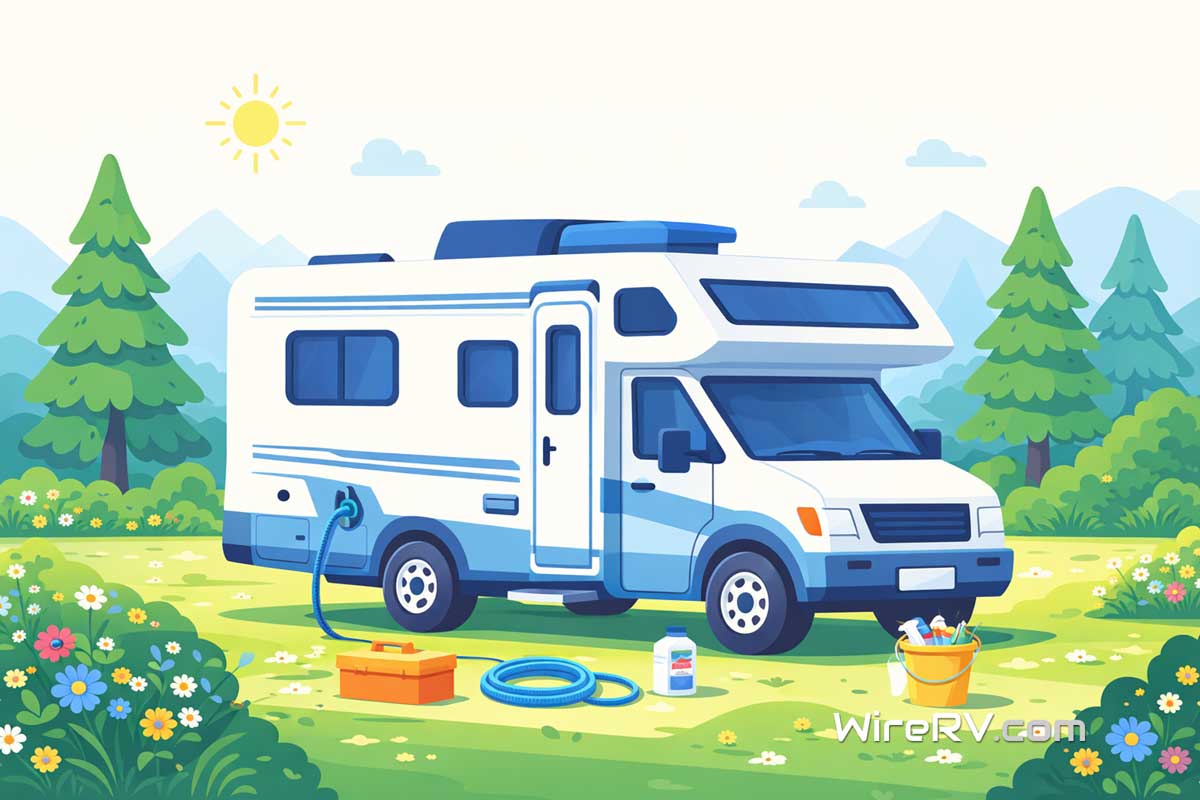
    Simple RV Dewinterizing Checklist for the Best Spring Start


    What Does RV Dewinterizing Checklist Mean? 🚐

    After months in storage, your RV needs a few key steps before it is ready for travel again. That’s where an RV dewinterizing checklist comes in. RV owners call this process dewinterizing, which simply means reversing the winter storage process: removing antifreeze from the plumbing system, reconnecting components that were bypassed, inspecting major systems, and making sure everything is safe to use before your first trip of the season.

    Taking time to carefully bring your RV out of storage helps prevent leaks, appliance problems, and unexpected repairs during your first trip of the season.

    If you are new to RV ownership, don’t worry because most of these checks are simple and only take a little time. 👍


    Hank and Summer cleaning and airing out the RV interior during the RV dewinterizing checklist process
    Cleaning and airing out the RV interior is one of the final steps in the RV dewinterizing checklist before spring travel.

    Before You Start: Supplies You’ll Need 🧰 with Your RV Dewinterizing Checklist

    Most RV dewinterizing tasks require only a few basic tools and supplies. Having them ready before you begin makes the process much easier.

    Common items include:

    • A drinking water hose designed specifically for RV use (we recommend the Camco TastePURE 25-ft hose)
    • Water pressure regulator to protect your RV plumbing from high campground pressure (an adjustable regulator with a gauge works best)
    • Screwdriver or small socket set
    • Paper towels or rags
    • RV-safe tank sanitizer or household bleach (we recommend Camco TST MAX drop-ins for an easy, mess-free option)
    • Flashlight for inspections

    These simple supplies cover the majority of what you’ll need to get your RV ready for spring travel.


    Step‑by‑Step RV Dewinterizing Checklist 📝

    Use the following steps as you bring your RV out of winter storage. Every RV is slightly different, but this process covers the core systems most RV owners need to check each spring.

    Reconnect and Check the RV Battery 🔋

    If the battery was removed or disconnected during winter storage, reinstall it and make sure it is fully charged. Check the terminals for corrosion or loose connections and clean them if needed.

    If you notice buildup, a simple battery terminal cleaning kit can make this step much easier and help ensure a strong connection (we recommend using one with anti-corrosion washers for longer-lasting protection).

    A weak battery is one of the most common issues people encounter when starting their RV for the first time each season.


    Inspect the Roof and Exterior Seals 🔍

    Winter weather can cause sealant to crack or separate. Indeed, inspect areas around:

    • Roof seams
    • Vents
    • Skylights
    • Antennas
    • Ladder mounts

    If you notice any gaps or cracks, using an RV roof sealant can help prevent leaks and protect your RV from water damage (we recommend using a self-leveling RV sealant for best results, especially for seams and roof fixtures).

    Catching seal issues early helps prevent water damage, which can be one of the most expensive RV repairs.


    Check Tire Condition and Pressure 🛞

    RV tires often lose pressure during storage. Use a tire pressure gauge to bring them back to the recommended PSI listed by the manufacturer (we recommend a digital gauge for quick, easy readings).

    Also inspect the sidewalls for:

    • Cracks
    • Bulging
    • Uneven wear

    Even tires with good tread can become unsafe if the rubber begins to deteriorate.


    Flush Antifreeze from the Water Lines 💧

    During winterization, RV antifreeze is added to the plumbing system to prevent freezing. Now it needs to be flushed out.

    Connect your RV to a clean drinking water source using a drinking water hose, and consider adding a water pressure regulator and inline water filter to protect your system and improve water quality.

    Run each faucet until the pink antifreeze runs clear.

    Be sure to run both hot and cold water for:

    • Bathroom sink
    • Kitchen sink
    • Shower
    • Outdoor shower (if equipped)

    Reconnect the Water Heater ♨️

    Many RVs use a water heater bypass valve during winterization. Before operating the heater again, return the valves to their normal position so the tank fills properly.

    Once water is flowing through the system without air or antifreeze, the water heater can safely be turned on.

    If you want to go a step further, this is also a great time to flush out any sediment that may have built up in the tank. Using a Camco Camper & RV Water Heater Tank Rinser makes it quick and easy to clear debris and help your water heater run more efficiently.


    Sanitize the Fresh Water Tank 🧼

    Some RV owners choose to sanitize the fresh water system at the start of the season. This helps remove bacteria that may have developed while the RV was in storage.

    Sanitizing the system once per year is a good preventative maintenance habit.

    You can use a diluted bleach solution or an RV-specific cleaner like Camco TastePURE Spring Fresh Water System Cleaner and Deodorizer, which is designed specifically for dewinterizing and makes the process simple while helping freshen your water system.


    Check for Plumbing Leaks 🚿

    With the system pressurized, inspect plumbing connections throughout the RV.

    Look under:

    • Sinks
    • Near the water heater
    • Around the water pump

    Watch for drips, damp wood, or loose fittings that may have shifted during winter storage. A small flashlight or a hands-free option like the LHKNL Headlamp Flashlight can make it easier to check tight or dark spaces.


    Test the Propane System 🔥

    Turn on the propane supply and briefly test appliances such as:

    • The stove
    • The furnace
    • The water heater

    If you smell propane or notice unusual flames, turn the system off and investigate before continuing. Using a portable gas leak detector like the PT199 Natural Gas Leak Detector can help you quickly locate leaks and add an extra layer of safety.


    Start the Refrigerator and Air Conditioner ❄️

    Before your first trip, run both appliances to confirm they are operating normally. It is better to discover problems at home rather than at the campground.

    Give the refrigerator a few hours to cool down and make sure it reaches a safe temperature before loading it with food. A simple thermometer like this 2 Pack Refrigerator Thermometer can help you quickly verify that everything is cooling properly, with one for the fridge and one for the freezer.


    Clean and Air Out the RV Interior 🪟

    After months of storage, the interior may feel stale. Open windows and roof vents to allow fresh air to circulate.

    Wipe down surfaces, check cabinets, and look for any signs of moisture or pests that may have appeared during storage. Using simple cleaning supplies like Lysol Disinfectant Wipes Multi-Surface Cleaning Wipes Pack of 4 can make this process quick and easy.

    Wiping down surfaces and opening windows helps freshen the RV after months in storage. It’s also a good time to wash your hands regularly while cleaning, following CDC handwashing guidelines.

    Cleaning the RV interior is also a great opportunity to reorganize cabinets and storage areas. If you want to make better use of your space, check out our RV kitchen storage ideas for simple ways to keep your RV organized.


    Common Problems After Dewinterizing ⚠️

    Occasionally RV owners notice small issues when bringing their RV back into service.

    Some common ones include:

    • A water pump that runs continuously
    • Low water pressure
    • A refrigerator that isn’t cooling properly
    • Small leaks in plumbing fittings

    Most of these issues are easy to fix if caught early, which is why a careful spring inspection is important. If you suspect a propane issue, using a tool like the PT199 Natural Gas Leak Detector can help you quickly check for leaks.


    Printable RV dewinterizing checklist for spring RV preparation.

    Printable RV Dewinterizing Checklist 📋

    If you prefer something you can bring outside with you, a printable RV dewinterizing checklist can make the process easier to follow.

    We’ll provide a simple printable version of this checklist so you can check off each step while preparing your RV for the season.

    Download the printable version:
    ⬇️ Download the Printable RV Dewinterizing Checklist (PNG)


    FAQ: RV Dewinterizing Checklist ❓

    How long does it take to dewinterize an RV?

    For most RV owners, the process takes 30 minutes to two hours, depending on how detailed the inspection is and the size of the RV.

    Do you need city water to dewinterize an RV?

    City water makes flushing antifreeze easier, but you can also use the RV’s fresh water tank and pump if needed.

    Do you need to sanitize the RV water system every spring?

    Sanitizing isn’t strictly required every year, but it is a recommended maintenance practice, especially if the RV has been unused for several months.


    Getting Your RV Ready for the Season with an RV Dewinterizing Checklist 🏁

    Bringing your RV out of storage doesn’t have to be complicated. Following a careful RV dewinterizing checklist helps make sure your plumbing, appliances, and major systems are ready for the road again.

    Taking a little time to inspect your RV in early spring can prevent leaks, appliance problems, and unexpected repairs later in the season. Once everything is checked and running properly, your RV will be ready for its first trip of the year.

    If you’d like something easy to follow while working through the process, be sure to download our printable RV dewinterizing checklist and keep it with your RV maintenance notes.

    You might also find our RV setup guide helpful for getting settled quickly once you arrive at your campsite.