
Category: Beginner’s Hub

  • Starlink vs Cellular RV: Know the Truth About Options

    Starlink vs Cellular RV: Know the Truth About Options

    Staying connected on the road is no longer optional. A solid RV WiFi setup makes all the difference. Whether you’re working remotely, streaming your favorite shows, or keeping in touch with family, reliable internet matters. However, when it comes to starlink vs cellular rv, many RVers ask the same question: Do you actually need Starlink? 🤔

    Overall, both options can work incredibly well. However, they serve different travel styles, budgets, and expectations. Therefore, understanding those differences helps you avoid overspending. It also helps you choose a setup that truly fits your life on the road.

    Starlink vs Cellular RV setup comparison with Hank and Summer testing internet options inside their RV.
    Hank and Summer compare Starlink vs Cellular RV internet options to find the most reliable connection on the road 🚐📡

    🚀 Starlink for RV: Fast, Flexible, and Expanding

    Starlink has changed what’s possible for RV internet. According to Starlink, satellite coverage now reaches remote locations. Satellite coverage now reaches remote locations. As a result, RVers can stay connected in places that once had no signal at all.

    ✅ Pros of Starlink

    • High speeds in many locations, ideal for video calls and streaming 🎥
    • Works off-grid, far from traditional infrastructure
    • Coverage is expanding, reaching more areas over time

    ❌ Cons of Starlink

    • Requires a clear view of the sky, which can be difficult in wooded areas 🌲
    • Higher upfront cost than most cellular options
    • Setup can take more effort, especially when considering Starlink mounting options

    👉 Therefore, if you enjoy boondocking, national forests, or remote camping, Starlink can be a powerful primary internet solution.

    📡 Cellular Internet for RV: Reliable and Practical

    On the other hand, cellular internet relies on networks from providers like Verizon, AT&T, and T-Mobile, with coverage varying based on location. As a result, for many RVers, this is the most practical and widely available option.

    ✅ Pros of Cellular

    • Strong coverage in cities, towns, and along highways 🛣️
    • Lower upfront cost than satellite systems
    • Works with hotspots and routers

    ❌ Cons of Cellular

    • Slower speeds in rural or congested areas
    • Signal strength varies depending on terrain and tower distance
    • Tools like cell signal boosters can help improve weak connections
    • May require extra setup in weak areas

    👉 Consequently, for RVers staying near populated areas or moving frequently, cellular internet is often more than enough.

    ⚖️ Starlink vs Cellular RV: Key Differences

    When comparing starlink vs cellular rv, the right choice depends on how you travel and where you spend most of your time.

    • Speed: Starlink can outperform cellular in remote areas; however, cellular is steady in populated regions.
    • Coverage: Starlink works best off-grid, whereas cellular shines near infrastructure.
    • Ease of Use: Cellular is typically simpler to use day-to-day.
    • Cost: In general, cellular has a lower barrier to entry.

    Ultimately, these differences matter more than raw speed alone. A fast connection is only useful if it works where you are parked.

    🧠 Starlink vs Cellular RV: Do You Even Need Starlink?

    So, here is the honest breakdown 👇

    Choose Starlink if you:

    • Camp off-grid frequently 🌄
    • Need reliable internet in remote areas
    • Work online and cannot afford downtime. Especially if you rely on dependable RV tech essentials

    Choose Cellular if you:

    • Stay near campgrounds, towns, or highways 🏕️
    • Want a simple and affordable setup
    • Prefer quick, low-effort connectivity

    Consider Both if you:

    • Want maximum flexibility and reliability 🔁
    • Travel through a mix of urban and remote locations

    In many cases, RVers eventually combine both options over time. You can use each where it performs best.

    🔗 Starlink vs Cellular RV: Building the Right Approach

    Instead of thinking in terms of one perfect solution, it helps to think in terms of coverage and consistency. For example, no single option works perfectly everywhere. Therefore, the goal is to choose the one that fits your current travel style, and then adjust as needed.

    👉 Additionally, you can always expand your setup later as your needs grow.

    🚐 Final Thoughts on Starlink vs Cellular RV

    In the end, when it comes to starlink vs cellular rv, there is no one-size-fits-all answer. Instead, the best choice depends on where you travel. Also, how often you move and how important internet is to your daily routine, especially for those exploring full-time RV living.

    So, start with what fits your needs today. Then, adjust as you gain experience on the road. Because when your internet works reliably, everything else about RV life feels easier, smoother, and far more enjoyable. ✨

  • Useful First Time RV Tips That Will Help You
    Useful First Time RV Tips That Will Help You

    Starting your first RV trip is exciting. However, even with the best planning, there are a few first time RV tips that only make sense once you experience them yourself. In fact, many beginners are surprised by how different RV life feels compared to what they expected.

    So, before you hit the road, here are some simple and honest insights that will help you feel more prepared and relaxed.


    First Time RV Tips cozy RV interior relaxing after setup with Hank and Summer
    First time RV tips come to life as Hank and Summer relax and enjoy a cozy, well-earned moment after a successful setup. 🚐✨

    😮 First Time RV Tips: Setup Takes Longer Than You Think

    At first, setting up your RV might seem quick and simple. However, during your first trip, it often takes more time than expected.

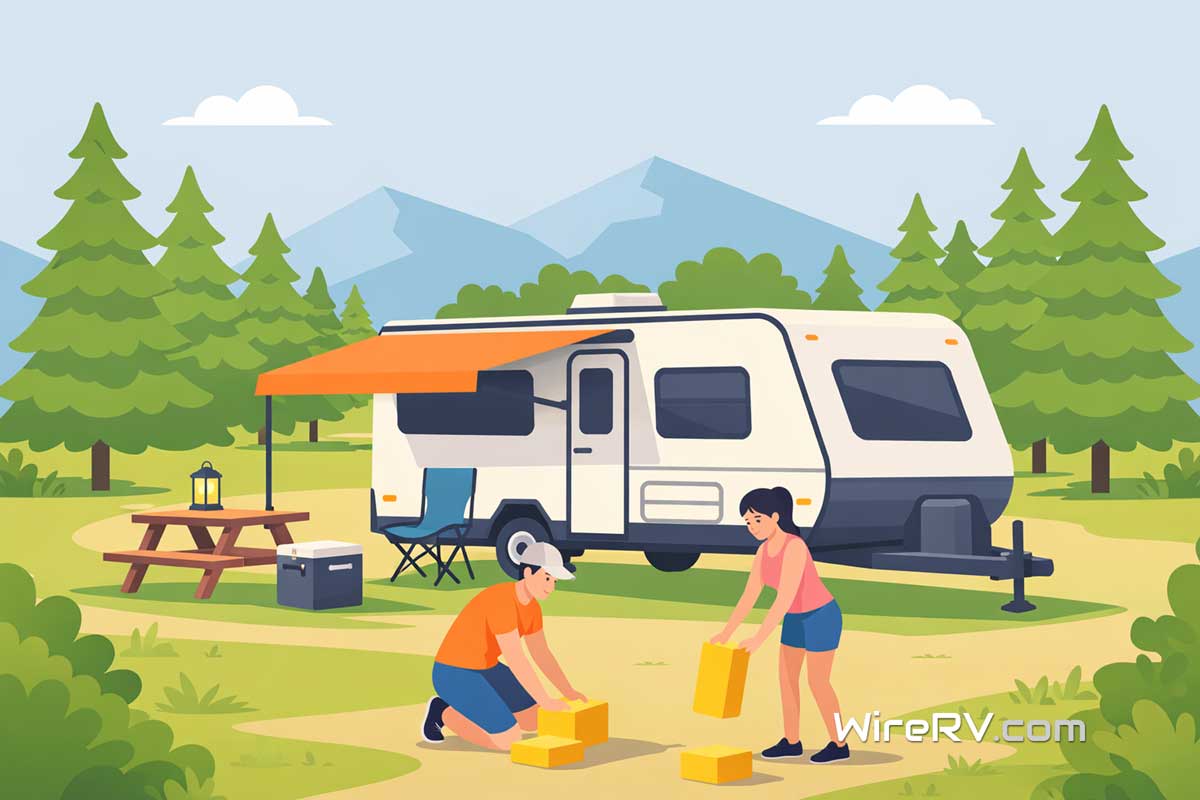
    For example, leveling, connecting utilities, and adjusting everything properly can feel slow at the beginning. Over time, you will naturally get faster. Using something like a simple set of leveling blocks can make setup much easier and more predictable, especially during your first few trips.

    For a more detailed walkthrough, our WireRV Setup Guide breaks down the setup process in a simple and beginner-friendly way.

    Tip: Give yourself extra time on arrival so you can avoid feeling rushed.


    🚐 Small Spaces Feel Different (In a Good Way)

    Many people worry about space before their first trip. Yet, once you settle in, the space often feels more comfortable than expected.

    Once you settle in, a cozy setup makes a big difference, and our Cozy RV Campsite Setup guide shares simple ways to make your space feel even better.

    On one hand, storage is limited. On the other hand, everything becomes easier to manage. As a result, daily routines feel simpler and more focused. Using something like a few simple fabric storage bins can help keep everything organized without making your space feel crowded.

    Tip: Keep only what you truly need to make the space feel open and calm.


    🔌 First Time RV Tips: Power and Water Matter More Than You Expect

    At home, power and water are easy to forget. In an RV, they become part of your daily awareness.

    For instance, you will check tank levels, manage power usage, and pay attention to hookups more often. Using something like a simple adjustable water pressure regulator can help protect your RV’s plumbing and make hookups much more consistent. Therefore, understanding your systems early makes a big difference.

    Tip: Build a simple habit of checking levels each day.


    🌬️ Weather Changes Everything

    Weather has a much bigger impact than most beginners expect. Even a small change in wind or temperature can affect your comfort. Checking conditions ahead of time through the National Park Service can help you prepare for changing environments.

    For example, strong wind can move your RV slightly, while heat and cold can change how your systems perform. Because of this, staying aware of weather conditions helps you stay comfortable. Using something like a simple indoor outdoor thermometer can also make it easier to keep track of changing temperatures throughout the day.

    If wind is one of your biggest concerns, our RV Crosswind Driving guide offers practical ways to stay safer and more confident on the road.

    Tip: Always check the forecast before arriving at your campsite.


    🧼 Little Tasks Add Up Quickly

    During your first trip, small tasks may feel constant. Cleaning, organizing, and managing waste systems all take attention. Using something like a collapsible dish tub can make cleaning and daily tasks much easier, especially in a smaller space.

    However, these tasks quickly become routine. In time, they feel simple and manageable.

    Having the right basics ready from the start can also make daily routines easier, so our Useful RV Essentials Checklist is a helpful next stop.

    Tip: Create a light daily routine so nothing builds up.


    🧡 First Time RV Tips: The Lifestyle Feels More Relaxing Than Expected

    While there are small challenges, the overall experience often feels more relaxing than expected.

    For instance, mornings feel slower, evenings feel calmer, and time outside becomes more meaningful. As a result, many people find themselves enjoying the lifestyle more than they imagined. Having something as simple as a comfortable reclining camp chair can make those quiet moments even more enjoyable.

    Tip: Slow down and enjoy the experience instead of trying to rush through it.


    🎯 Final Thoughts on First Time RV Tips

    At the end of the day, these first time RV tips are not about perfection. Instead, they help you understand what to expect so you can enjoy the journey.

    If you want a more complete step-by-step resource, our Practical First-Time RV Owner Guide can help you build confidence before your first trip.

    For additional beginner guidance, resources like Go RVing offer helpful tips for getting started.

    Although your first trip may come with a few surprises, those moments are often what make RV life memorable and rewarding. With a little patience and the right mindset, your confidence will grow quickly.

    So, take your time, enjoy the process, and get ready to create some amazing memories on the road. 🚐✨

  • How to RV in Freezing Temperatures: Victory Every Time
    How to RV in Freezing Temperatures: Victory Every Time

    RV in freezing temperatures can damage pipes, tanks, and batteries fast. However, with the right preparation, you can prevent expensive cold-weather repairs this winter.

    Taking your RV in freezing temperatures without preparation can quickly turn a peaceful camping trip into an expensive disaster. For example, a single overnight freeze can lead to burst pipes, cracked fittings, frozen dump valves, and even dead batteries.

    Fortunately, most cold-weather RV damage is preventable. In fact, if you protect the right systems and manage heat properly, you can run your RV in freezing temperatures comfortably — without destroying your rig.


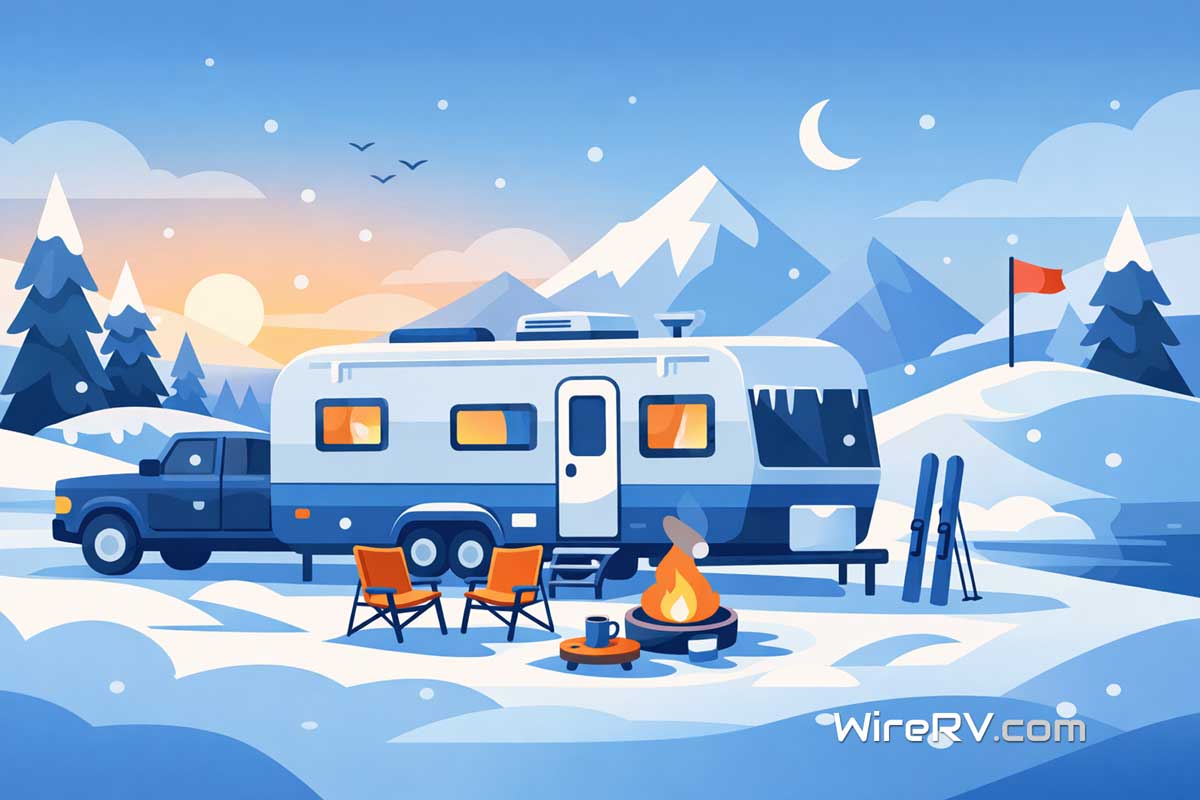
    Hank and Summer staying warm inside their RV in freezing temperatures with snow outside the window.
    Hank and Summer show how to RV in freezing temperatures by keeping the interior warm while winter conditions build outside.

    ⚠️ First: Know Your Risk Zones for RV in Freezing Temperatures

    When temperatures drop below 32°F, several areas become vulnerable. Specifically, you need to watch:

    • 🚰 Fresh water hose
    • 🔌 City water connection
    • 🛢 Holding tanks
    • 🚽 Dump valves
    • 🔧 Interior plumbing lines
    • 💧 Water pump
    • 🔋 Batteries
    • 🔥 Propane system

    Moreover, if temps dip below 20°F, the risk increases significantly — especially overnight. Therefore, the goal is simple: protect water, maintain heat, and reduce exposure.


    1️⃣ Protect Your Water Supply 💦

    First, understand that your water hose is usually the first component to freeze.

    🔥 Use a Heated RV Water Hose

    A heated RV water hose prevents ice from forming inside the line. As a result, it’s the simplest and most reliable solution for sustained freezing temps.

    👉 View a heated RV water hose on Amazon

    Before setting up, make sure:

    • It’s rated for outdoor winter use
    • Connections are tightly sealed
    • The thermostat portion is exposed to outside air

    🧊 Insulate the Spigot

    Even with a heated hose, the campground spigot can freeze. Therefore, it’s important to add insulation.

    Wrap it with:

    • Foam insulation
    • Heat tape (if allowed)
    • An insulated cover

    In extremely low temperatures, you may want to fill your fresh tank and disconnect entirely overnight. That way, you reduce the risk of an external freeze-up.


    2️⃣ Protect Your Holding Tanks 🛢 When You RV in Freezing Temperatures

    Next, turn your attention to the holding tanks. Frozen tanks are not only expensive but also frustrating to deal with.

    🔥 Add Tank Heater Pads

    If your RV doesn’t have built-in tank heaters, aftermarket tank heater pads can help. In particular, they prevent:

    • Ice buildup
    • Cracked tanks
    • Frozen dump valves

    👉 View RV tank heater pad kit on Amazon

    🚫 Keep Valves Closed

    Equally important, do NOT leave gray or black tank valves open in freezing weather.

    Otherwise, liquids will freeze in the hose and create a solid blockage.

    Instead:

    • Keep valves closed
    • Dump when tanks are at least 2/3 full
    • Disconnect and store the hose after dumping

    As a general rule, dump quickly and then remove exposure to the cold.


    3️⃣ Add Skirting (Even Temporary Skirting Helps) 🧱

    Meanwhile, don’t ignore what’s happening underneath your rig. Cold air under your RV increases heat loss and freezes tanks faster.

    For this reason, skirting blocks wind and traps warmer air beneath your RV.

    Options include:

    • Custom vinyl skirting
    • DIY foam board panels
    • Reflective insulation
    • Heavy-duty tarps (temporary solution)

    👉 View a heavy-duty waterproof tarp for RV skirting on Amazon

    Even partial wind blocking can make a noticeable difference. In other words, perfection isn’t required — improvement is.


    4️⃣ Manage Interior Heat the Right Way 🔥 for RV in Freezing Temperatures

    At this point, it’s important to understand that your furnace does more than keep you warm — it protects your plumbing.

    Because most RV furnaces route warm air into the underbelly, they actively protect tanks and lines.

    ⚡ Don’t Rely Only on Space Heaters

    Although electric space heaters warm the living area, they may not heat plumbing compartments.

    Therefore, use them to supplement heat, not replace the furnace entirely.

    👉 View a compact ceramic space heater on Amazon

    🚪 Open Cabinets

    Additionally, open cabinet doors under sinks to allow warm air to circulate around pipes.

    Small adjustments like this can significantly reduce freezing risk.


    5️⃣ Prevent Condensation Damage 💧 of RV in Freezing Temperatures

    At the same time, cold-weather RVing creates moisture problems.

    Cooking, breathing, and propane heat add humidity. Consequently, when that moisture hits cold surfaces, condensation forms.

    Over time, this can lead to:

    • 🦠 Mold
    • 🧱 Soft walls
    • 🪟 Damaged window seals

    To manage this effectively, use:

    👉 View a compact dehumidifier for RV use on Amazon

    • A small dehumidifier
    • Vent fans while cooking
    • Moisture absorbers in closets

    Ultimately, managing moisture is just as important as preventing frozen pipes.


    6️⃣ Protect Your Batteries 🔋

    In addition to plumbing concerns, cold temperatures reduce battery efficiency dramatically.

    For example, at 32°F, batteries lose roughly 20% capacity. At 0°F, that number increases even more.

    To protect them:

    • Keep batteries fully charged
    • Keep them clean and dry
    • Protect them from wind exposure

    If possible, use insulated battery covers during sustained freezing weather. That extra layer can help preserve performance.

    👉 View an RV battery insulation cover on Amazon

    Keep batteries fully charged and protected from wind exposure. For a complete packing list of RV essentials that help protect your rig in any season, check out this RV Essentials Checklist.


    7️⃣ Know When to Disconnect 🚫🚰 Your RV in Freezing Temperatures

    Finally, know when conditions require a different strategy.

    If temperatures are dropping into the teens or lower for multiple days, consider switching to dry camping mode.

    Specifically:

    • Fill fresh tank
    • Disconnect water hose
    • Dump and store sewer hose
    • Monitor tank levels carefully

    By reducing external connections, you significantly lower freezing risk.


    🥶 What Temperatures Are Too Cold to RV in Freezing Temperatures?

    Naturally, many RVers ask this question.

    There isn’t one universal cutoff. However, many modern RVs with enclosed underbellies and tank heaters can handle sustained temps in the 20s.

    Below that, preparation becomes critical. In fact, single-digit temps require:

    • Skirting
    • Tank heaters
    • Active monitoring
    • Consistent furnace use

    Without preparation, damage can happen quickly. Therefore, always match your setup to the forecast.


    ✅ Final Thoughts

    In summary, running an RV in freezing temperatures isn’t reckless — but it does require intention.

    Protect your water systems. Manage heat correctly. Reduce exposure.

    If you prepare proactively, you can prevent thousands of dollars in repairs later.

    Ultimately, winter camping can be quiet, peaceful, and crowd-free — as long as your pipes survive it. ❄️🚐

    Always check the forecast before setting up. The National Weather Service provides up-to-date winter weather safety guidance and alerts.

  • RV Crosswind Driving: Spectacular Safety Tips You Will Love
    RV Crosswind Driving: Spectacular Safety Tips You Will Love


    In short, RV Crosswind Driving starts with planning. Crosswinds steal steering margin, strain tires, and raise stress fast. First, know where gusts hit hardest: open plains, bridge decks, mountain passes, and gaps between buildings or trees. Next, plan your route and speed with the wind in mind so you arrive calm and in control.


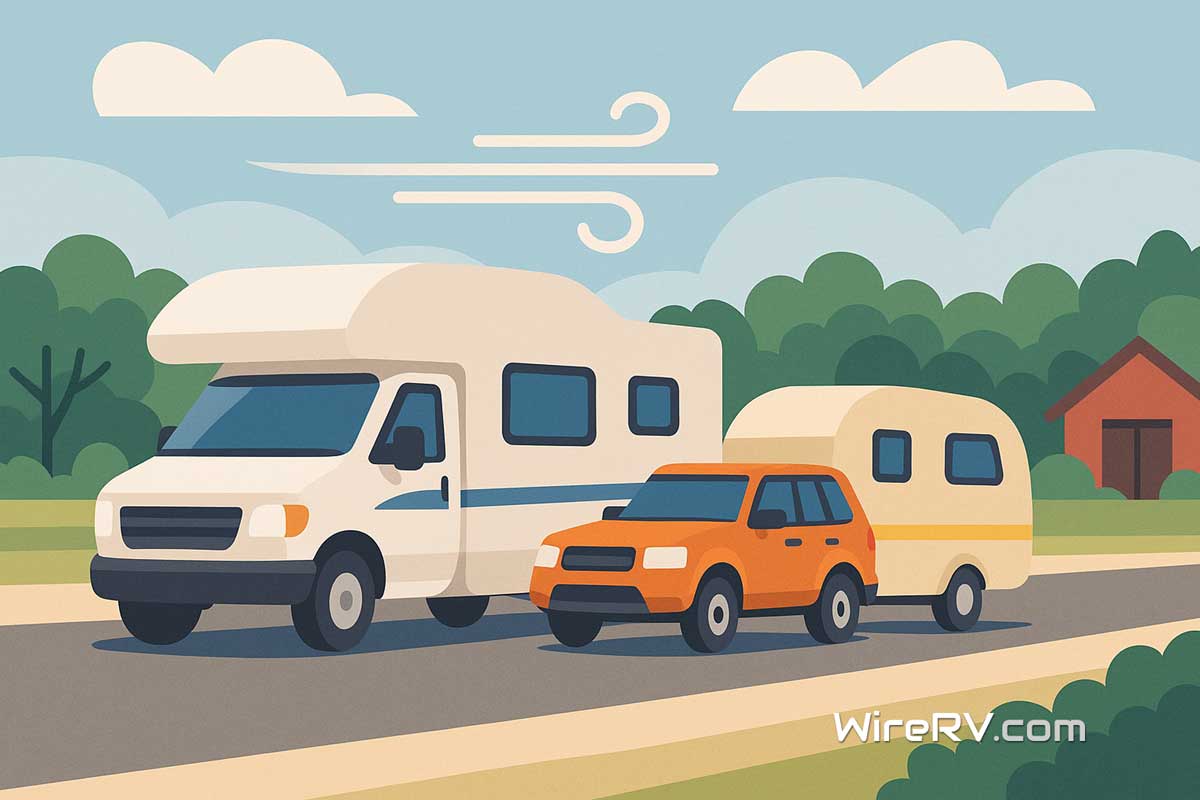
    RV crosswind driving scene with an orange SUV towing a travel trailer in strong crosswinds on a two-lane highway.
    Crosswinds push high-profile rigs; slow down, keep two hands on the wheel, and leave extra space.

    🌬️ RV Crosswind Driving tips for Different RV types

    • 🛞 Set tire pressure cold. Proper PSI preserves stability and keeps temperatures down. A reliable digital tire pressure gauge makes it easy to check your tires before hitting the road.
    • 🐢 Slow down. Wind force grows with speed, so cut 5 to 15 mph as needed.
    • 👐 Two hands, eyes far. Grip at 9 and 3, look ahead, and leave extra following distance.
    • 🛣️ Lane choice matters. When possible, use the upwind lane so the shoulder is on your leeward side.
    • 🌬️ Expect gust zones. Before bridges, cuts, and passes, center the vehicle and steady the throttle.
    • ↔️ Pass with margin. Trucks create a push then a pull as you pass; move gradually and return gently.
    • 🅿️ Know when to stop. If constant steering correction is required, pull off in a sheltered lot and point the nose into the wind.

    🚚 Towables: travel trailers and fifth wheels

    Trailers introduce articulation, so sway can build quickly. Therefore, loading and hitch setup matter.

    • ⚖️ Tongue or pin weight: Aim for 10–15 percent on travel trailers and follow manufacturer guidance for fifth wheels.
    • 📦 Weight placement: Keep heavy items low and slightly forward of the trailer axle.
    • 🔧 Hitch setup: Verify weight-distribution height and sway control tension before departure. A properly adjusted weight distribution hitch with sway control can help improve stability in crosswinds.
    • 🌀 On the road: If sway starts, hold throttle steady. Do not stab the brakes. Use the manual trailer‑brake control to straighten, then ease off the throttle until stable.
    • 🔁 After a gusty leg: Recheck tension and load balance at the next stop.

    🚐 Motorized: Class C and Super C RV Crosswind Driving

    These coaches feel crosswinds through tall sidewalls and rear overhang. Consequently, smooth inputs help most.

    • ⚖️ Balance the load: Distribute gear side to side and keep weight low.
    • 🛣️ Lane position: Favor the upwind lane for a safer shoulder.
    • ⚙️ Power management: Downshift early on grades so you have throttle in reserve.
    • 🚛 ↔️ Passing strategy: Give buses and semis wide room and return to lane gradually.

    🚌 Motorized: Class A RV Crosswind Driving

    Large frontal area and slab sides magnify gusts. Additionally, suspension condition affects control.

    • 🧰 Inspect before trips: Check steering components, air suspension or springs, and stabilizers.
    • 🐢 Speed discipline: Reduce speed sooner on exposed bridges and ridgelines.
    • 📏 Buffer space: Increase following distance and avoid traveling beside high‑profile trucks in strong crosswinds.

    🚐 Motorized: Class B and B+ RV Crosswind Driving

    Vans have the lowest profile, yet gusts still nudge them, especially when passing.

    • 🌊 Predict bow waves: As you meet large trucks, brace for a brief push then a pull.
    • Stay planted: Keep two hands on the wheel and avoid abrupt corrections.
    • 🧳 Watch roof loads: Cargo boxes and bikes add side area; secure them tightly.

    ⚠️ When to pull off

    Even skilled drivers should pause when conditions exceed comfort.

    • 🌬️ Sustained crosswinds near 25–35 mph with higher gusts.
    • 🌪️ Debris, dust, spray, or whitecaps crossing the roadway.
    • 🔄 Continuous steering correction for more than a minute.
      Find a sheltered lot, park nose to wind, and reassess the route and timing.

    ✅ Quick pre‑trip checklist

    • 🛞 Tire PSI set cold and verified with a reliable digital tire pressure gauge
    • ⚖️ Tongue or pin weight confirmed
    • 📦 ⬇️ Heavy gear low and forward
    • 🔧 Hitch height and sway control set
    • 🛰️ 🌬️ Forecast and wind direction checked
    • 🧭 Speed plan for exposed segments
    • 🅿️ Rest stops chosen as wind windows

    With these crosswind practices, you protect tires, reduce fatigue, and keep the trip on schedule. Moreover, a calm plan turns windy days into manageable driving rather than white‑knuckle miles. Before you roll, check official wind guidance from the National Weather Service on high-wind driving precautions and when to slow or stop.

    Plan your route and timing around wind windows—our National Parks RV Travel guide covers route planning and timing tips for long drives: https://wirerv.com/national-parks-rv-travel/

  • WireRV Setup Guide: Unlock a Wondrous Way to RV
    WireRV Setup Guide: Unlock a Wondrous Way to RV

    Setting up your RV at camp doesn’t have to be stressful. Whether it’s your first trip or you just need a refresher, the WireRV Setup Guide walks you through the process step by step. No guesswork. No scrambling. Just a smooth arrival and a relaxing start to your stay.

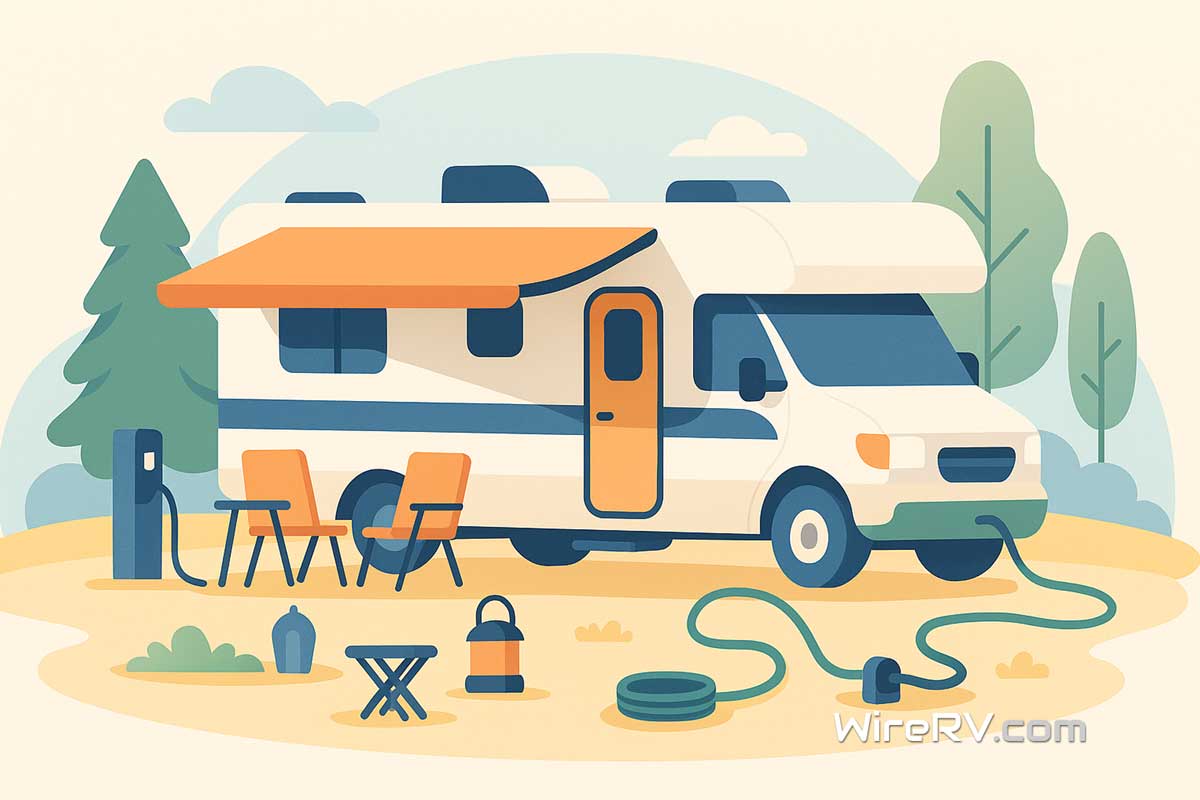
    Man adjusts awning on RV at sunny campsite as part of the WireRV Setup Guide.

    WireRV Setup Guide Step 1: Park and Position Your RV

    • Pull into your campsite slowly and align your rig with the hookups
    • Back in carefully if needed, watching for tree limbs and uneven ground
    • Use walkie-talkies or hand signals to help guide the driver
    • Also make sure the site is level and clear before shutting off the engine

    WireRV Setup Guide Step 2: Level Your RV

    • Use a bubble level or your rig’s built-in leveling system
    • Additionally place leveling blocks under the tires or leveling jacks if necessary
    • Lower stabilizers to prevent rocking (they are for support, not leveling)
    • Chock the wheels with wheel chocks to prevent unwanted movement

    Being level keeps your fridge, plumbing, and sleep setup working properly.


    WireRV Setup Guide Step 3: Connect to Shore Power

    • Firstly, plug in your RV’s power cord to the electrical pedestal.
    • Always use a surge protector to guard against voltage spikes.
    • Turn the breaker off before plugging in, then flip it on after.
    • Check your power system inside to make sure it’s working.

    WireRV Setup Guide Step 4: Hook Up Water


    WireRV Setup Guide Step 5: Connect the Sewer Hose

    • Certainly wear disposable gloves for this step.
    • Attach one end of the sewer hose kit to your RV and connect the other end to the sewer inlet.
    • Also, use a sewer hose support or a clear elbow connector for a smooth downward flow (most quality sewer hose kits include a clear elbow).
    • Keep the black and gray valves closed until the tanks are nearly full.
    • Empty the black tank first, then the gray tank to help rinse the hose.

    Consequently leaving the black tank valve open at all times can lead to clogs and bad smells.


    WireRV Setup Guide Step 6: Set Up Inside and Outside

    Inside your RV:

    • Turn on the water heater, fridge, and thermostat
    • Open slides only after confirming exterior clearance
    • Also unpack must-have items like kitchen tools and bedding

    Outside your RV:

    • Extend the awning
    • Additionally set up chairs, rugs, lights, and other outdoor gear
    • Store supplies neatly and keep anything edible sealed tight

    Final Step 7: Do a Final Walkaround

    • Check all hookups for leaks or trip hazards
    • Make sure hoses and cables are placed safely
    • Confirm that propane is turned on if you need it
    • Also secure any loose gear and close your compartments

    You’re All Set

    With everything in place, you can finally relax and enjoy the campground. Whether you’re grilling dinner, going for a hike, or just soaking in the quiet, a smooth setup helps you make the most of your trip.

    Want a printed checklist to keep on hand? You can find one inside our First-Time RV Owner Guide.

  • Practical First-Time RV Owner Guide You Need to Succeed
    Practical First-Time RV Owner Guide You Need to Succeed

    First-Time RV Owner Guide - Smiling first-time RV owners standing beside a new travel trailer at a scenic campground.

    Embark on Your RV Adventure with Confidence

    Starting your RV journey? Then you’re in the right place. This First-Time RV Owner Guide covers everything you need to hit the road prepared, from choosing the right rig to mastering essential skills, safety tips, and setup routines.

    Whether you’re planning weekend getaways or dreaming of full-time travel, this guide will help you avoid common mistakes and start strong.


    Choosing the Right RV for You

    Altogether, there are many types of RVs: motorhomes, travel trailers, fifth wheels, camper vans. So which one is right for your lifestyle?

    Firstly, consider these factors:

    • Size and Space: So, how many people? Specifically, how much room do you need?
    • Towable or Drivable: Particularly, do you want to drive your RV or tow it behind a vehicle?
    • Budget: RVs range from $10K used trailers to $500K luxury motorhomes.
    • Storage and Parking: Where will you keep your RV when not in use?

    Pro Tip 💡: Rent different RVs before buying to get a feel for what fits.


    Essential Gear You Need on Day One

    Every RV newbie needs a core set of tools and supplies.
    For instance, here’s what to pack:

    Furthermore, download our RV Essentials Checklist 📋 to make sure you’re fully equipped.


    First Trip Planning Made Easy

    Before you go, take these steps:

    1. Book campsites in advance, especially during peak seasons.
    2. Practice driving and parking as well as in an empty lot.
    3. Plan short trips first coupled with building experience.
    4. Check weight limits specifically to balance your load.
    5. Know your RV’s height before approaching bridges or drive-thrus.

    Apps like Campendium, Roadtrippers, and RV LIFE Trip Wizard can also help. Generally, for additional help, check out Go RVing’s Beginner’s Guide for expert tips on planning and prepping your first adventure.


    Avoiding Common Rookie Mistakes

    Even seasoned travelers slip up, but here are the top mistakes to avoid as a first-time RV owner:

    • Not doing a full walkaround before driving
    • Leaving vents open while driving
    • Not to mention, not checking propane levels
    • Also, forgetting chocks or leveling pads
    • Overpacking and exceeding weight limits
    • Ignoring campground etiquette (quiet hours, pet rules)

    Must-Know RV Skills for Beginners

    To stay safe and confident, learn these essential skills:

    How to:

    • hook up water, sewer, and electric
    • dump tanks safely and cleanly
    • back up and park
    • monitor tank levels and battery power
    • winterize if you’re in cold climates

    Don’t worry, you’ll get better each time you hit the road.


    The First-Time RV Owner Guide Setup & Breakdown Routine

    Campground setup and teardown can feel overwhelming. Follow a checklist:

    Arrival/Setup:

    • Park, chock wheels, level RV
    • Connect electric, water, sewer
    • Slide-outs and awning (if any)

    Departure/Breakdown:

    • Retract slides and awning
    • Disconnect utilities
    • Dump tanks
    • Check lights and tire pressure
    • Final walkaround

    Print a copy of your checklist to stay on track.


    Life on the Road: Tips for First-Time RV Owner Guide Living

    • Join RV communities for tips, support, and campground reviews
    • Keep a maintenance log to track service and repairs
    • Set realistic travel goals to avoid burnout
    • Keep essentials organized and accessible
    • Use a weather app to avoid storms and extreme temps

    Ready to Roll? Final Advice for First-Time RV Owner Guide

    Take your time learning the ropes. Mistakes happen, and that’s part of the journey. With the right prep, your RV lifestyle will be rewarding, exciting, and full of adventure.

    Bookmark this First-Time RV Owner Guide and come back anytime you need a refresher.

    Stay safe and happy travels from all of us at WireRV!